Zeenah
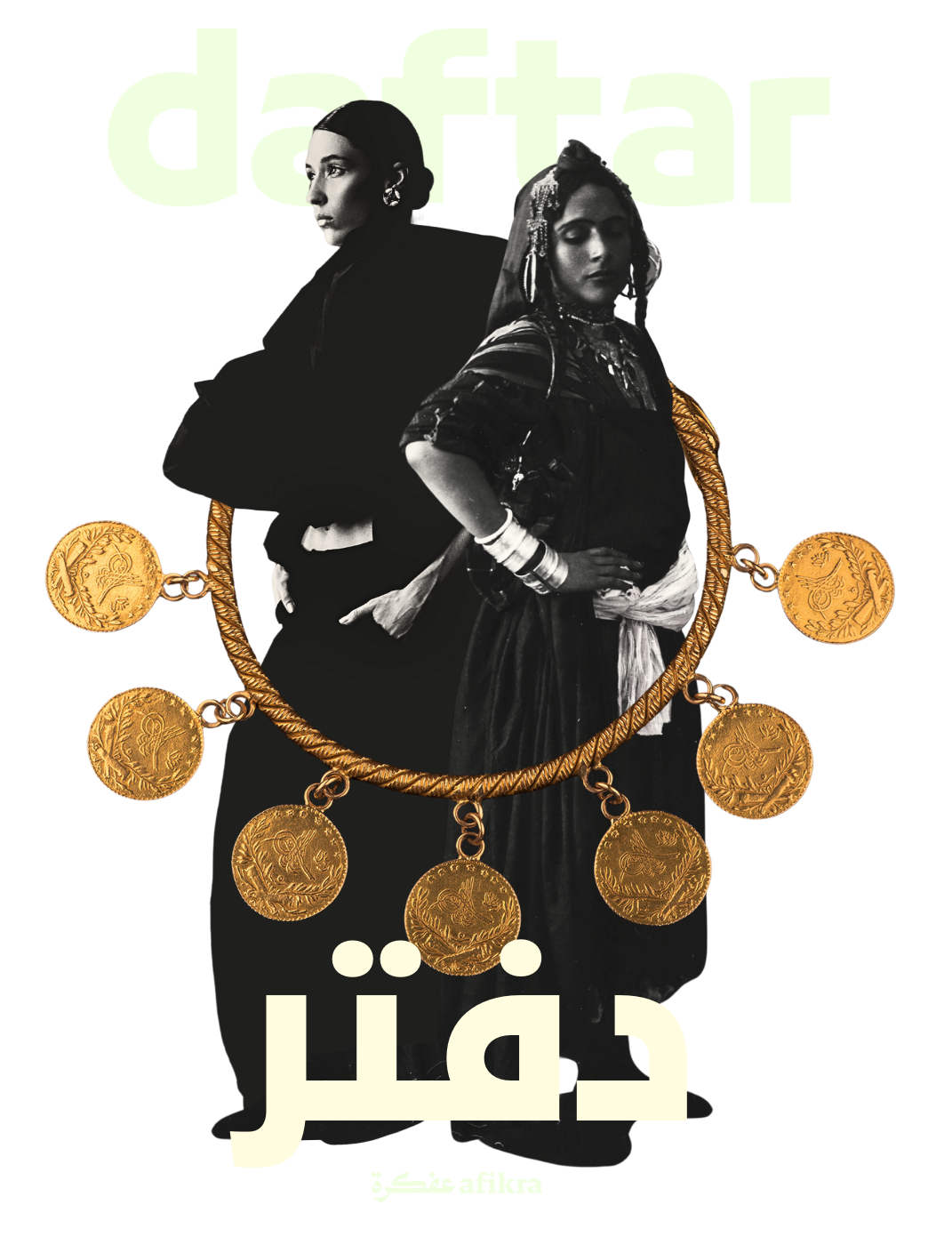
Beyond the fleeting cycles of trends, Zeenah explores adornment as a profound visual language that bridges the personal with the collective. This edition delves into the objects we carry and wear—from the weight of Libyan silver and the intricate stitches of Armenian embroidery to the ancestral symbols woven into Amazigh textiles—positioning them as vital vessels of continuity and memory. By tracing sartorial legacies through family archives and the lived experiences of exile, we examine how craft serves as a tool for both homecoming and the forging of neo-identities. Through a critical lens on cultural exchange and a celebration of protected creativity, Zeenah invites us to see what we wear not merely as outfit and ornament, but as a language of emotion that preserves the richness of our heritage while navigating the complexities of a transnational world.
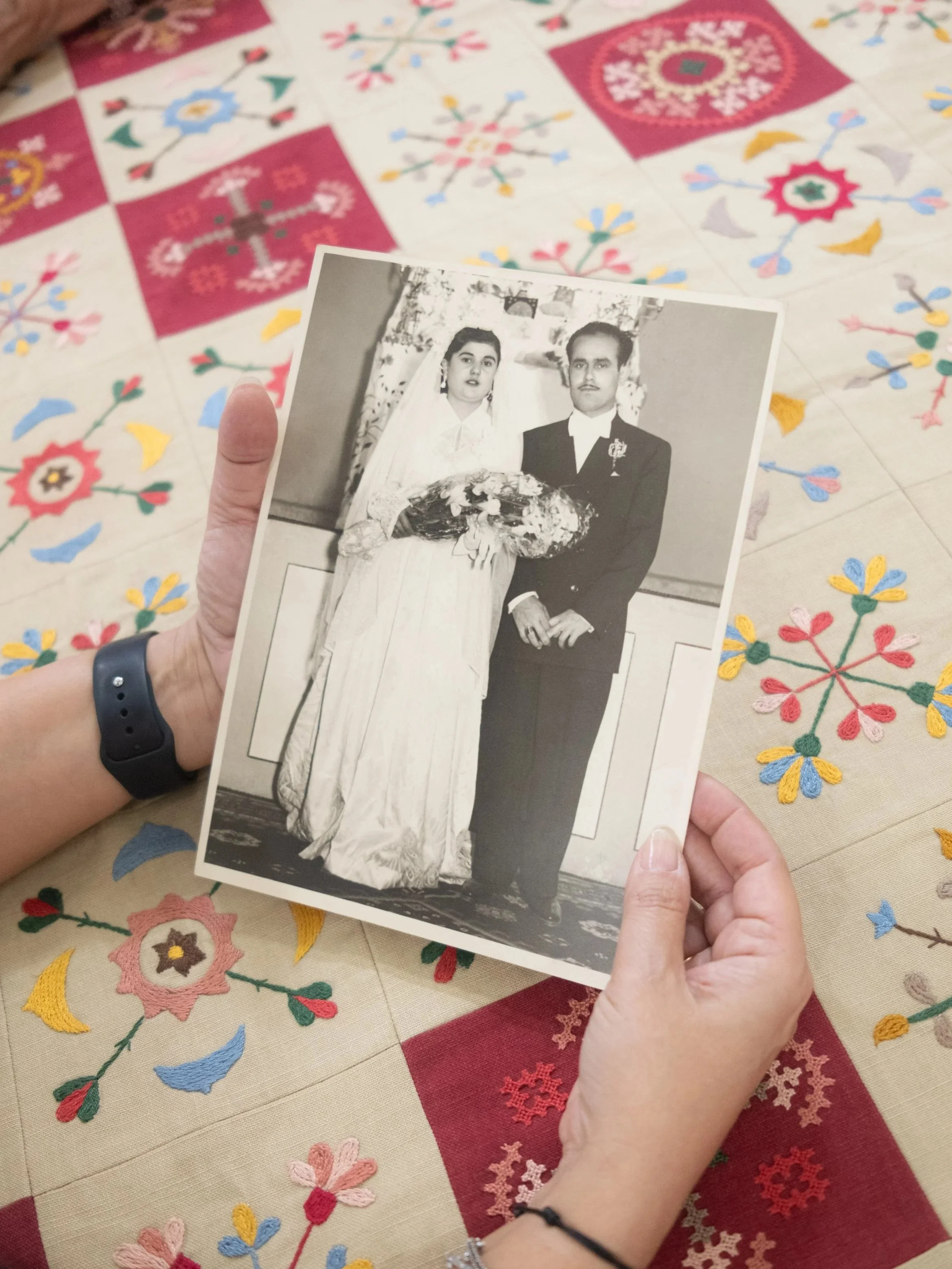
Resisting Erasure: Armenian Embroidery in the Diaspora
By Hrag Avedanian
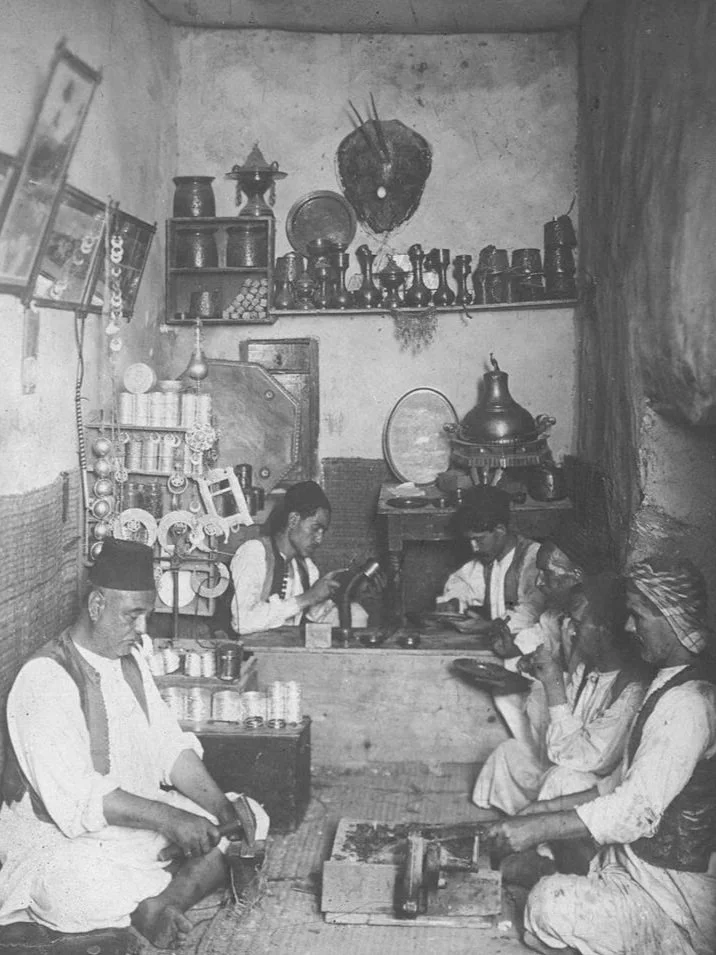
Of Bracelets in Libyan Jewelry
By Hala Ghellali

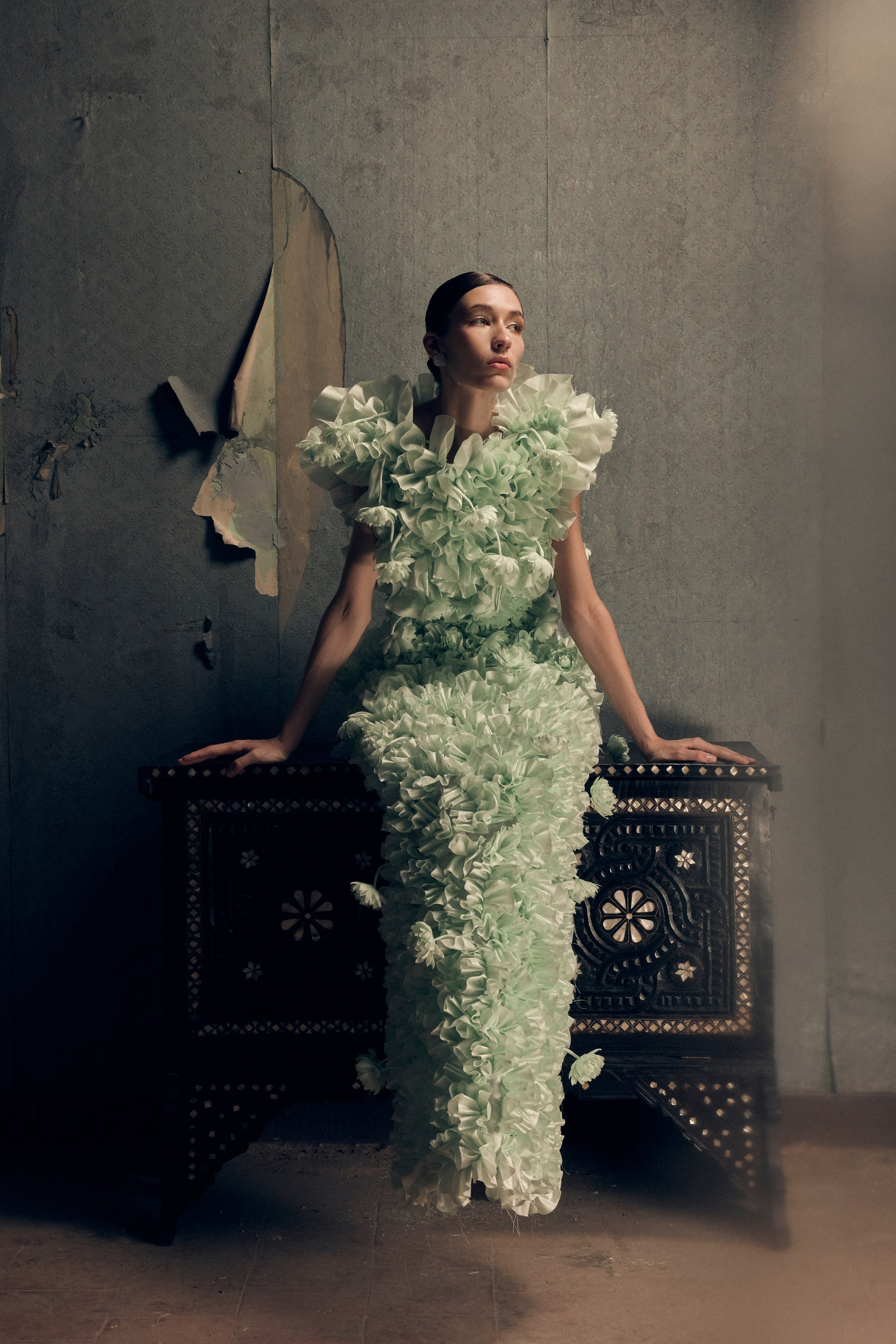
Q & A With Amir Al Kasm
Just Like Poetry, Fashion Is a Language of Emotion
Syrian fashion designer Amir Al Kasm reflects on memory, loss, and the emotional landscapes that shape his work. Moving between Syria and Lebanon, craft and poetry, silence and expression, Amir speaks about fashion as a language, one that holds emotion and resilience.
Interview by Nour Daher
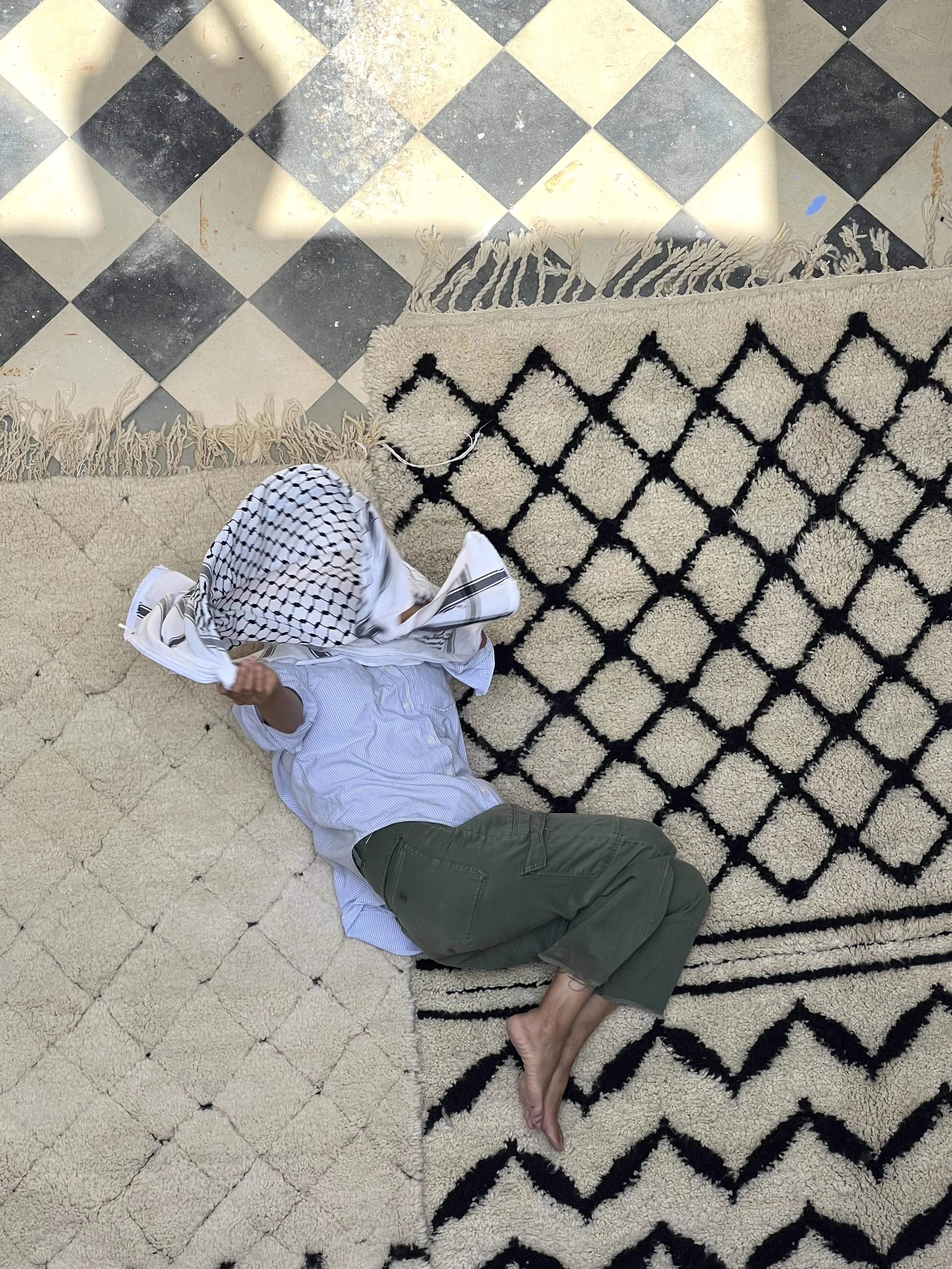
A Journey in Craft From Palestine to Fez
By Nina Mohammad
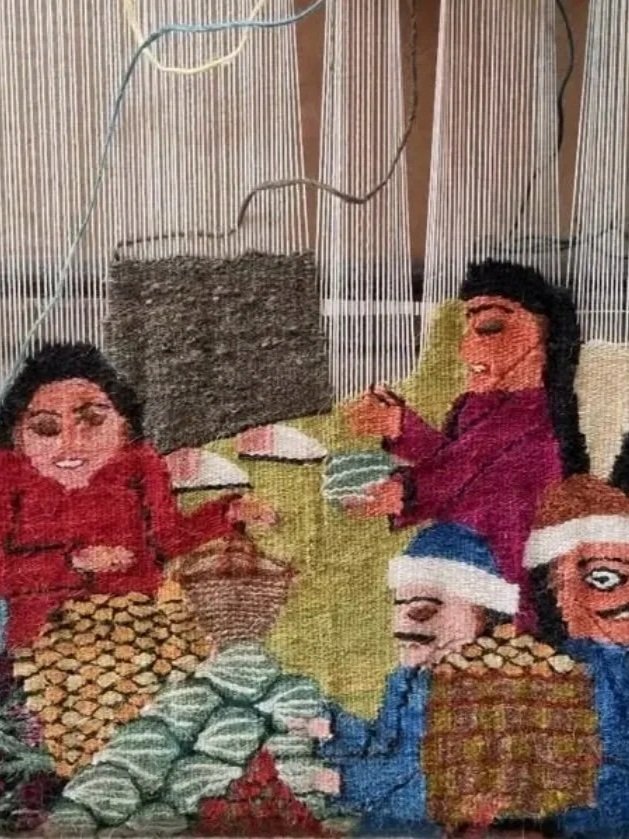
The Living Pedagogy of the Wissa Wassef Art Center
By Nour Daher
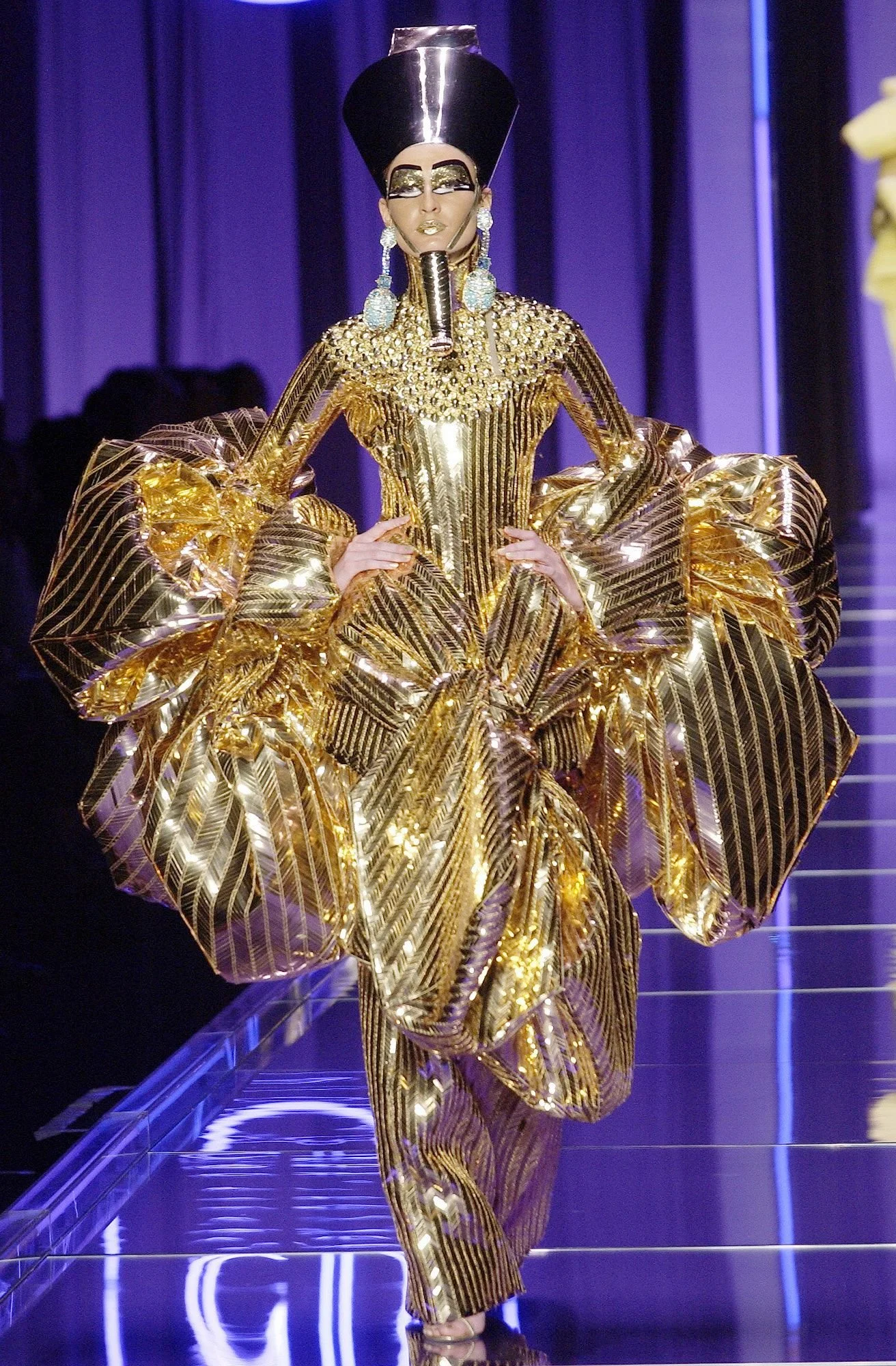
Transnational Inspiration or Appropriation?
Arab Cultural Exchange & Extraction in Fashion
The histories and cultures of the Middle East and North Africa have long captivated Western explorers, artists, and writers, offering fashion designers a seemingly inexhaustible source of inspiration.
Words by Joelle Firzli
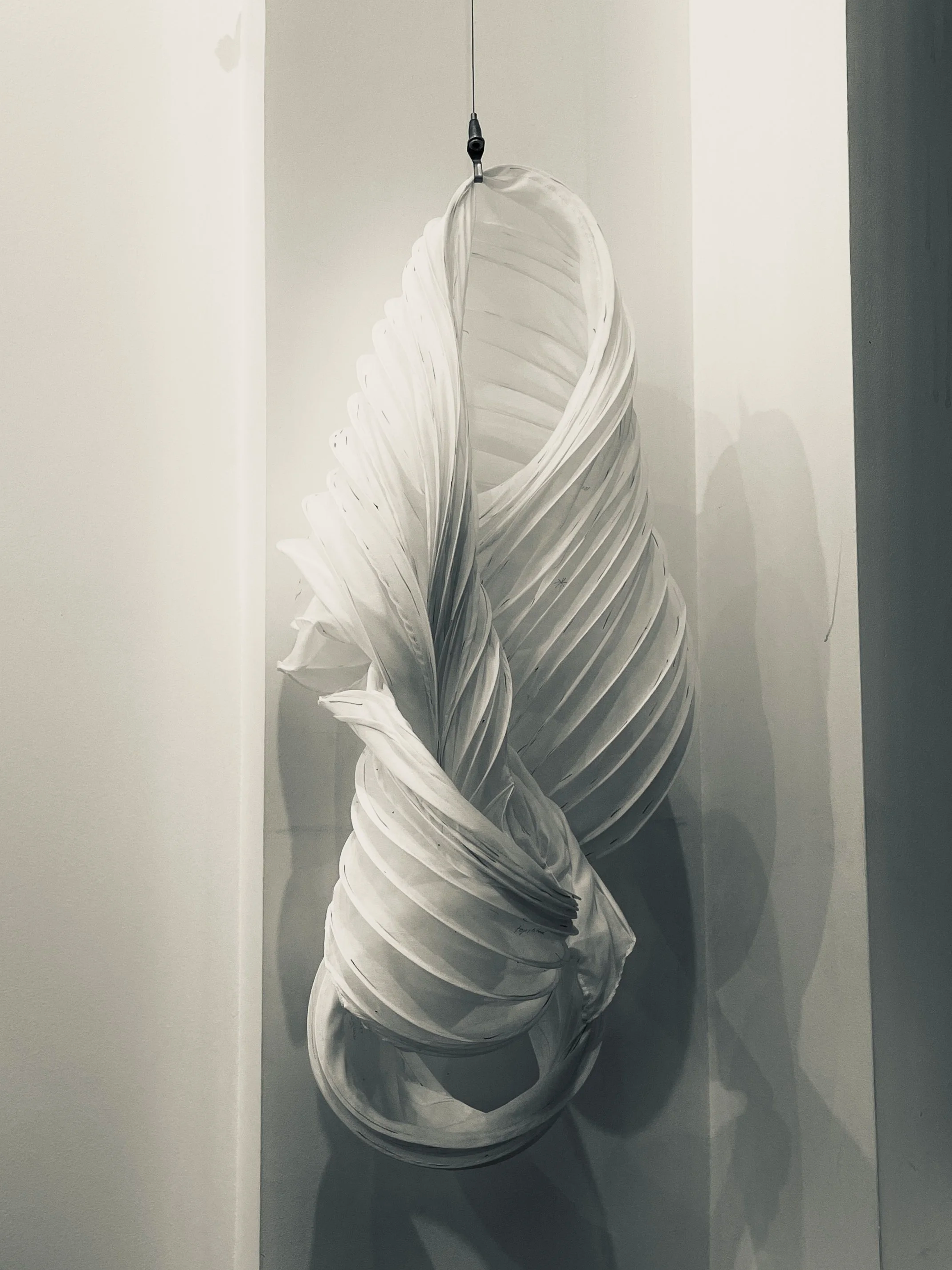
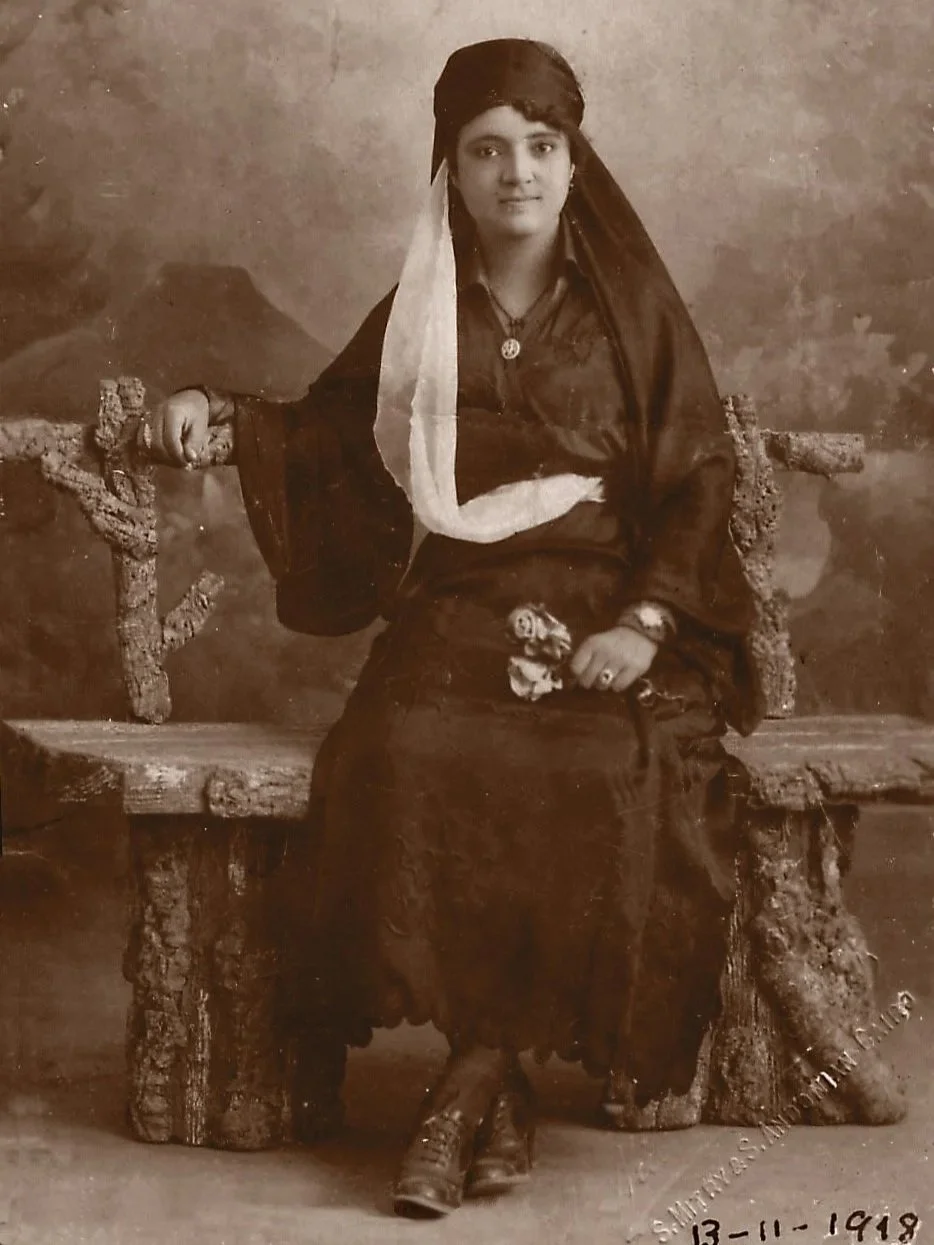
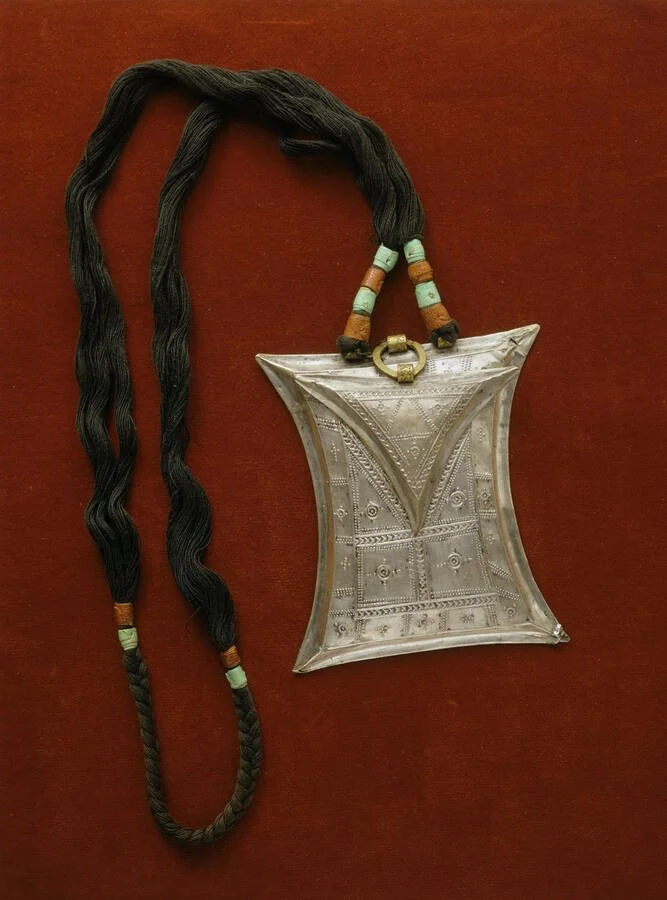
Professor Fatima Sadiqi on Symbols & Weavings
Amazigh Women at the Heart of Tifinagh
Symbols are intricately woven into North African culture: whether in clothing, tapestries, woollen cushions, how they’re etched into Nana’s face tattoos, or their centrality to flags. At first glance, these symbols might seem to be simply beautiful images. But on closer inspection, they speak to the matriarchal structure of Amazigh culture and its understanding of the natural world.
Words by Yasmin Meddour
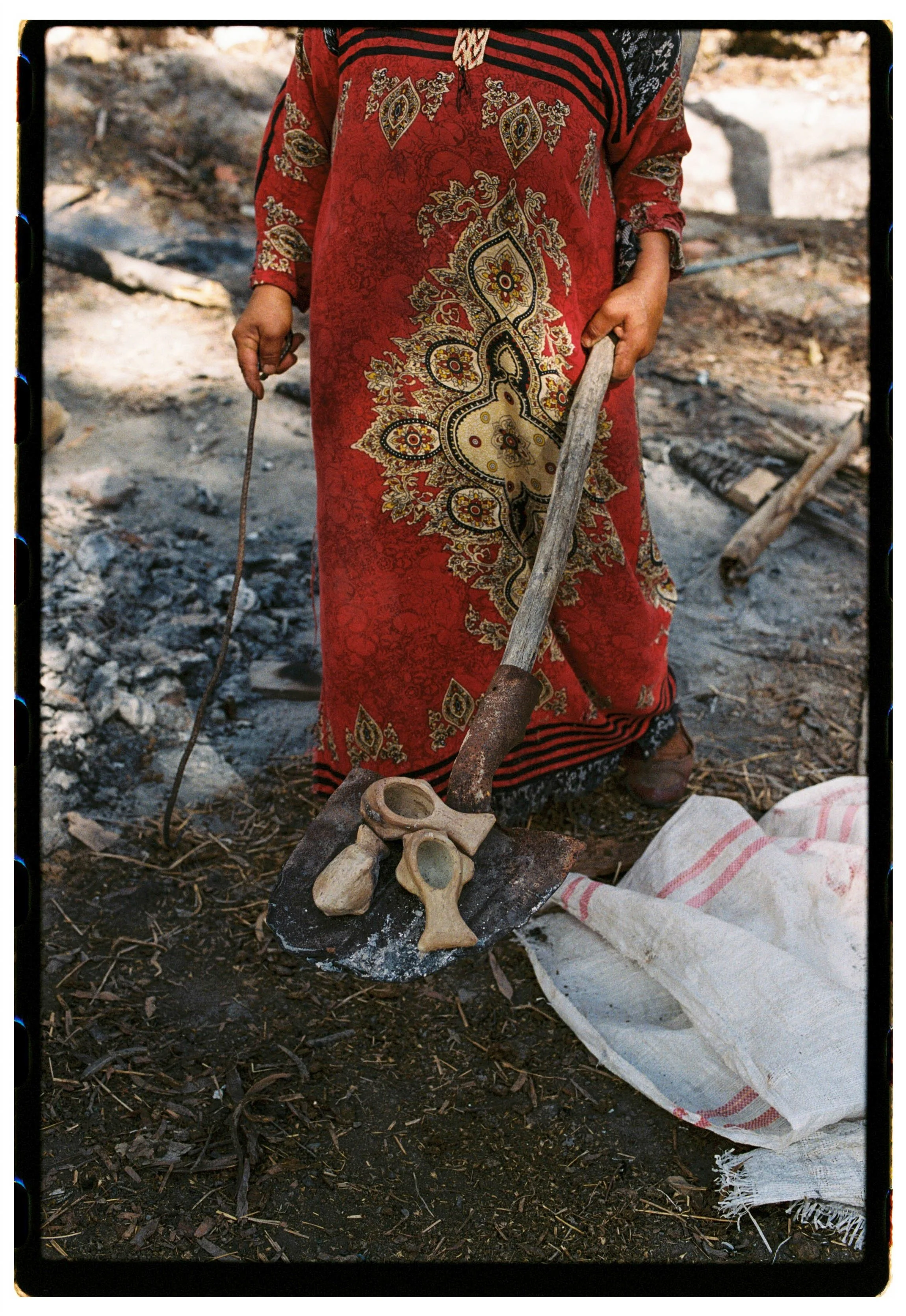
Tsawwar… Annissa Durar
“I traveled to Sejnane in northern Tunisia to document the women who continue the region’s UNESCO recognized pottery tradition. I visited Sabiha, Lamia, Zohair, and Khadouja in their homes as they shaped each piece by hand using local clay and organic pigments. Their pots and figurines are fired in open flames outside, a method that has been used in Sejnane for generations. During our conversations, they spoke about learning the craft within their families and their hopes for its continuation, even as younger generations show less interest.”


Stories You May Have Missed