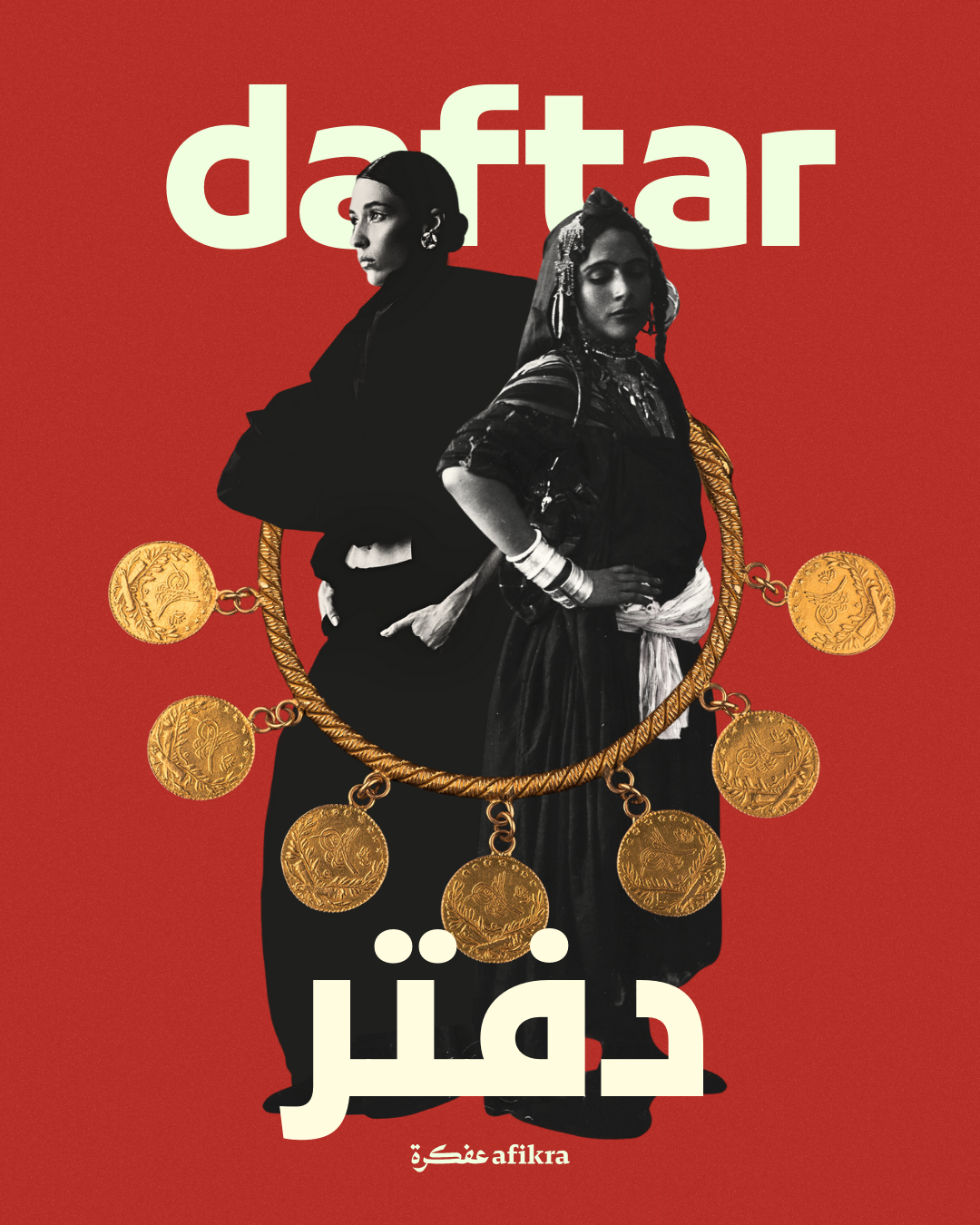
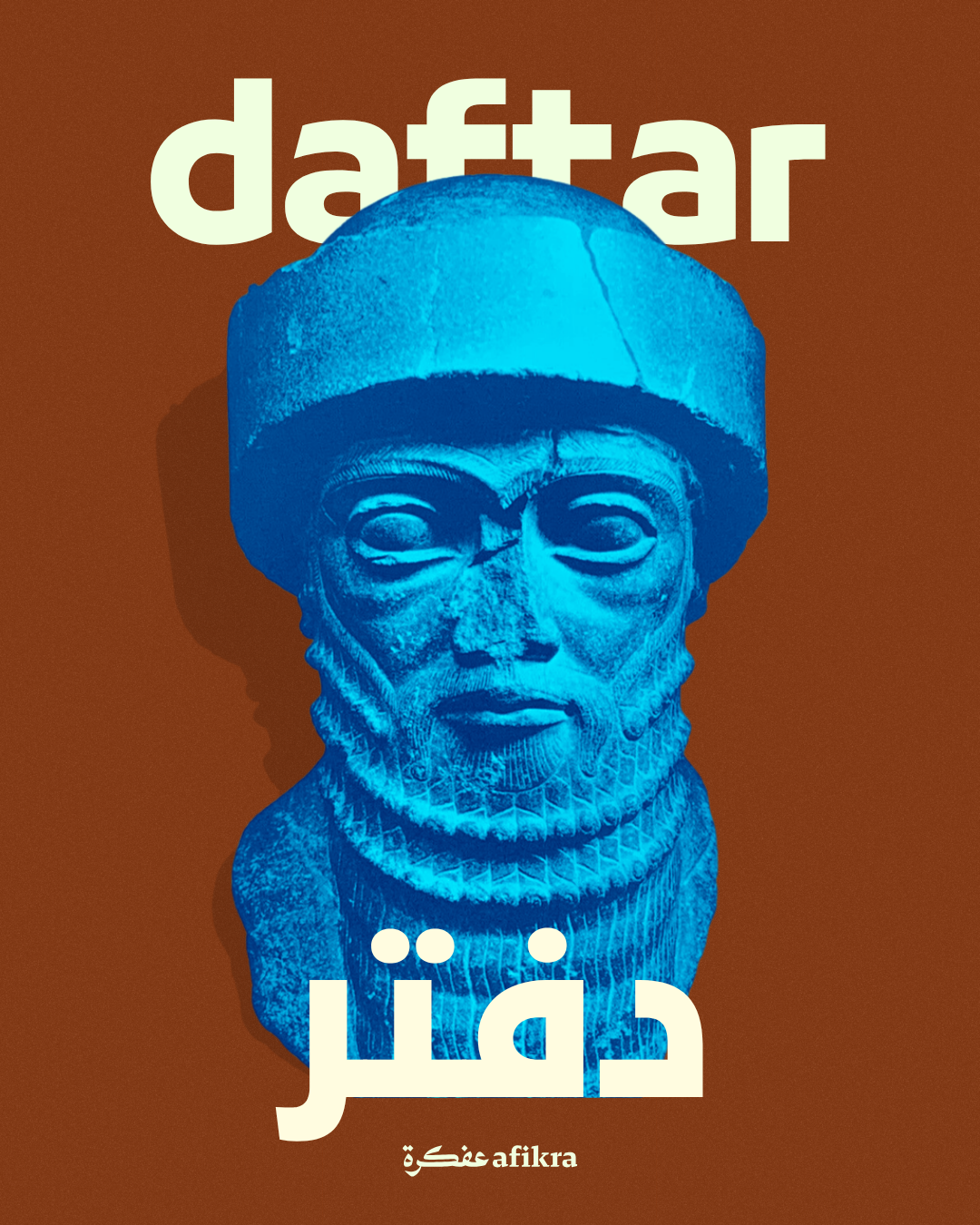
Beginnings
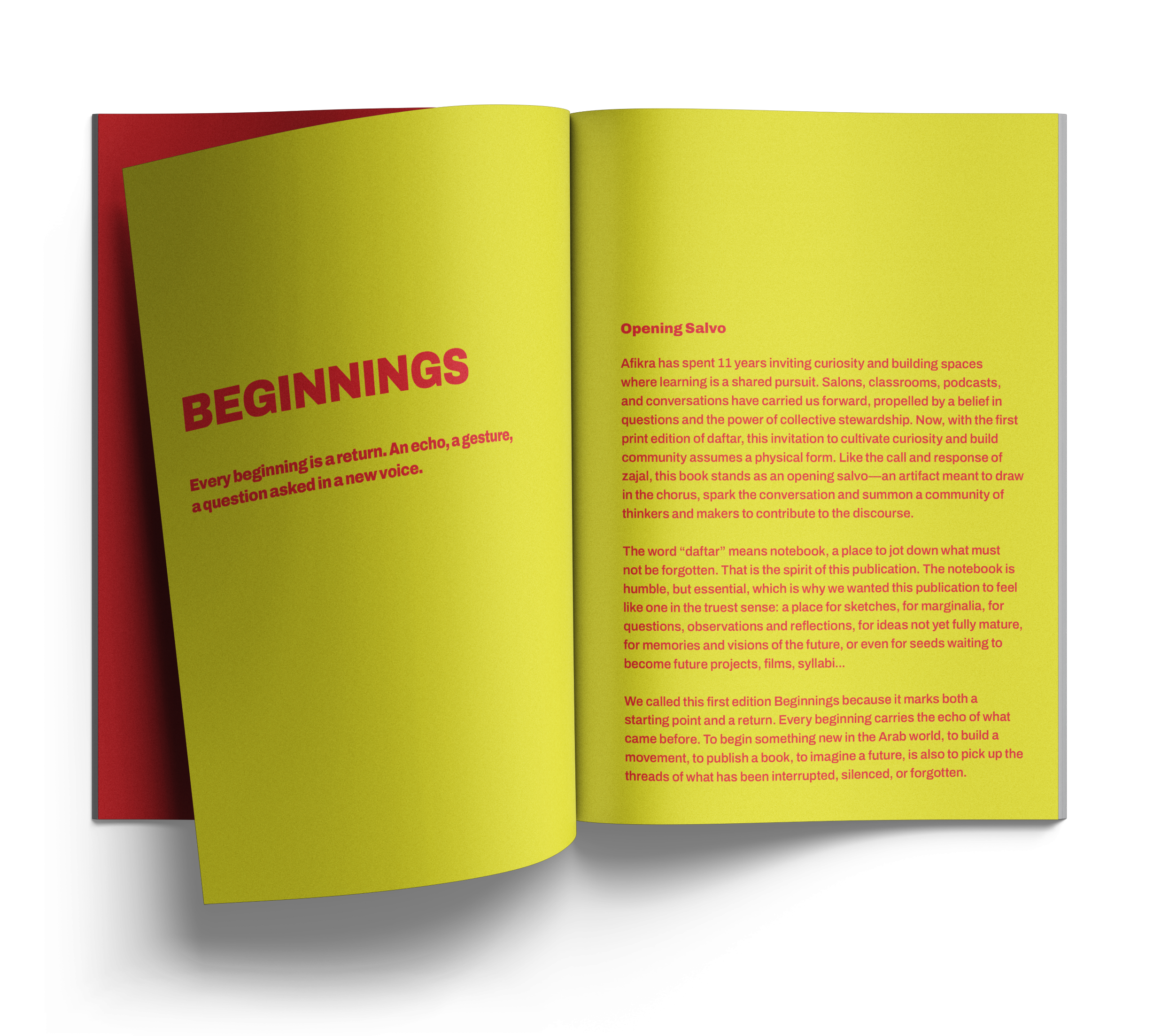
Every beginning is a return—an echo, a gesture, a question asked in a new voice.
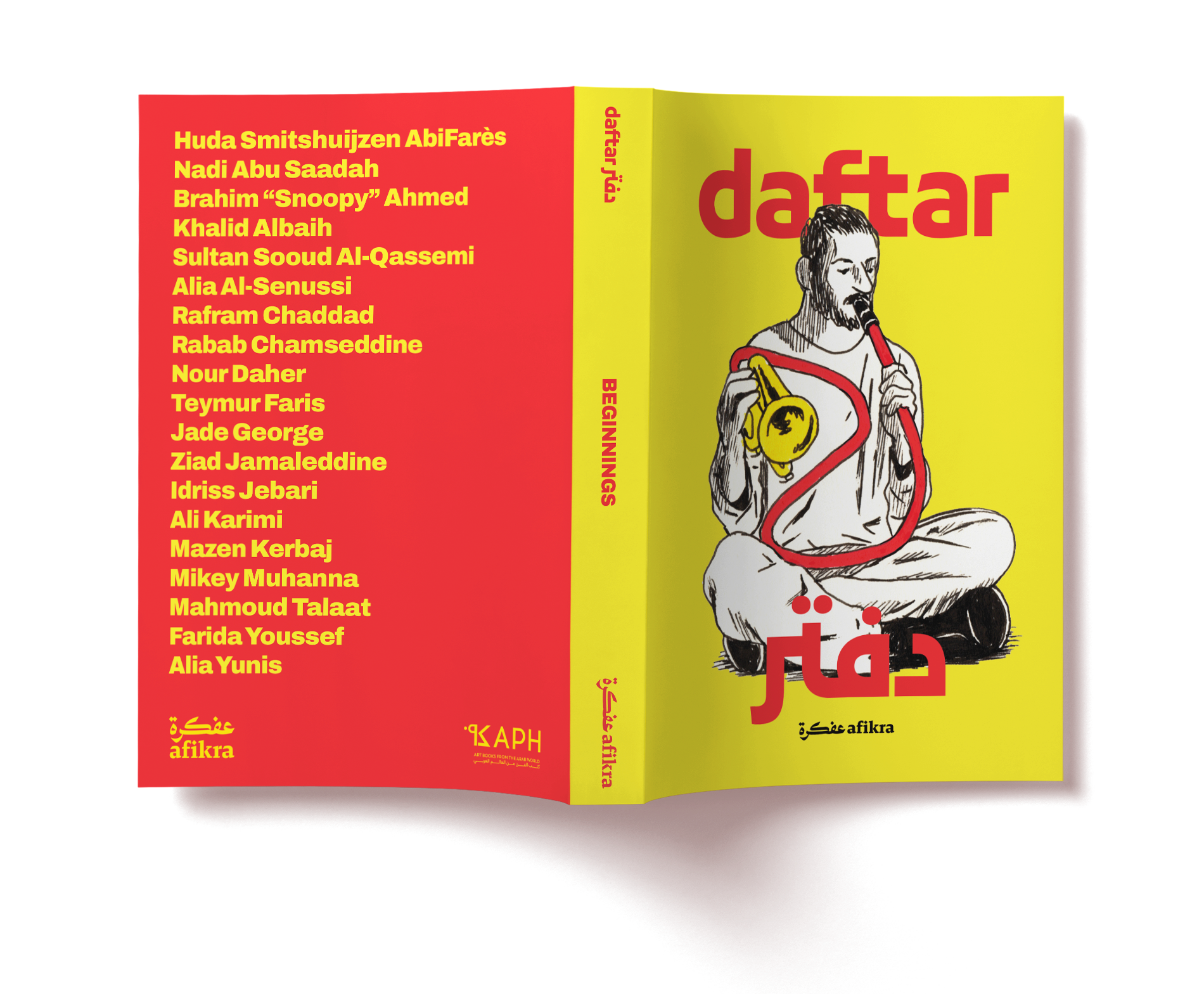
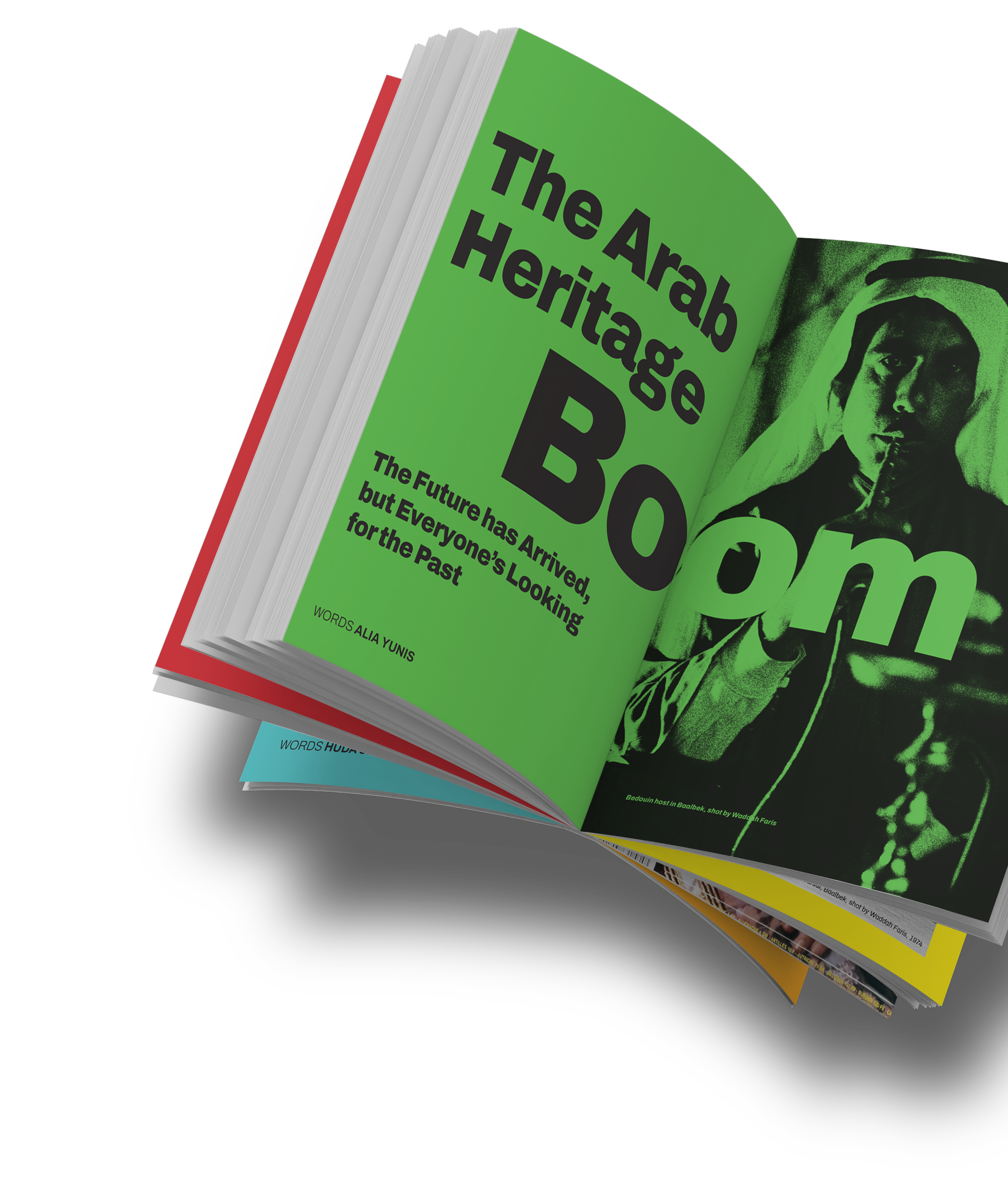
Daftar’s Inaugural Print Edition
We explore origins across the Arab world not as fixed points, but as living forces: from cities built on buried stories to homes that nurtured revolutions of thought; from enduring lineages of Arab design and cuisine to museums looted and memories made fragile. Some beginnings emerge from absence and erasure, made visible again through acts of remembrance and reinvention. The past moves through us not as residue but as momentum that shapes what comes next.
Beginnings, then, are not simply departures, but acts of reflection, return, and reclamation.
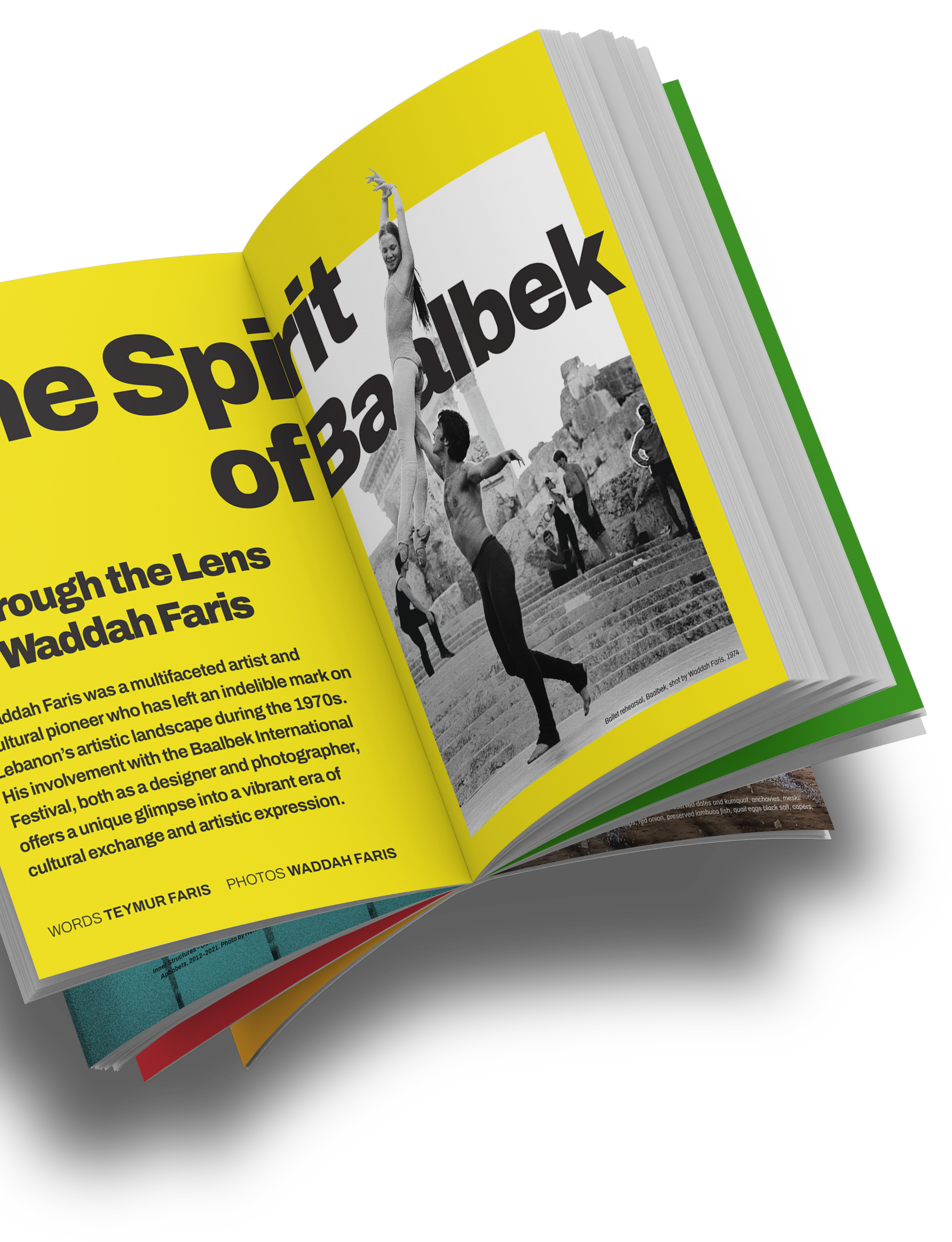
This physical publication mirrors afikra's mission: to cultivate curiosity and build community through shared learning. Named after the Arabic word for notebook "daftar" the book is intended as a space for reflection, ideas, and marginalia—a humble but essential artifact to spark discourse.
Titled Beginnings, this edition of daftar marks a starting point and a return, symbolizing the act of reclaiming authorship over the Arab narrative—a history often scattered, erased, or narrated by others. The issue features diverse voices exploring what "beginnings" mean across various disciplines and contexts, including art, architecture, heritage, design, and poetry.
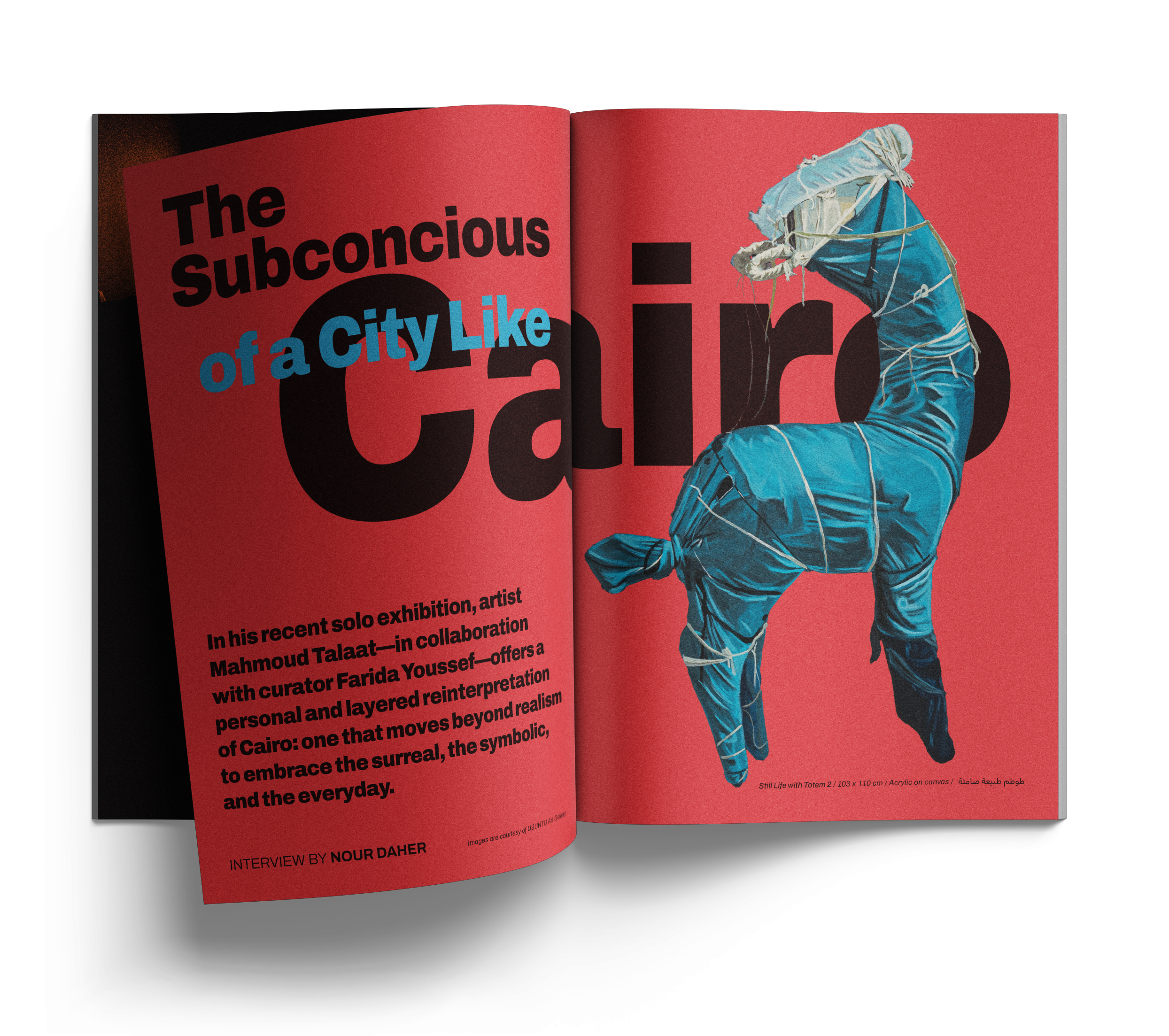
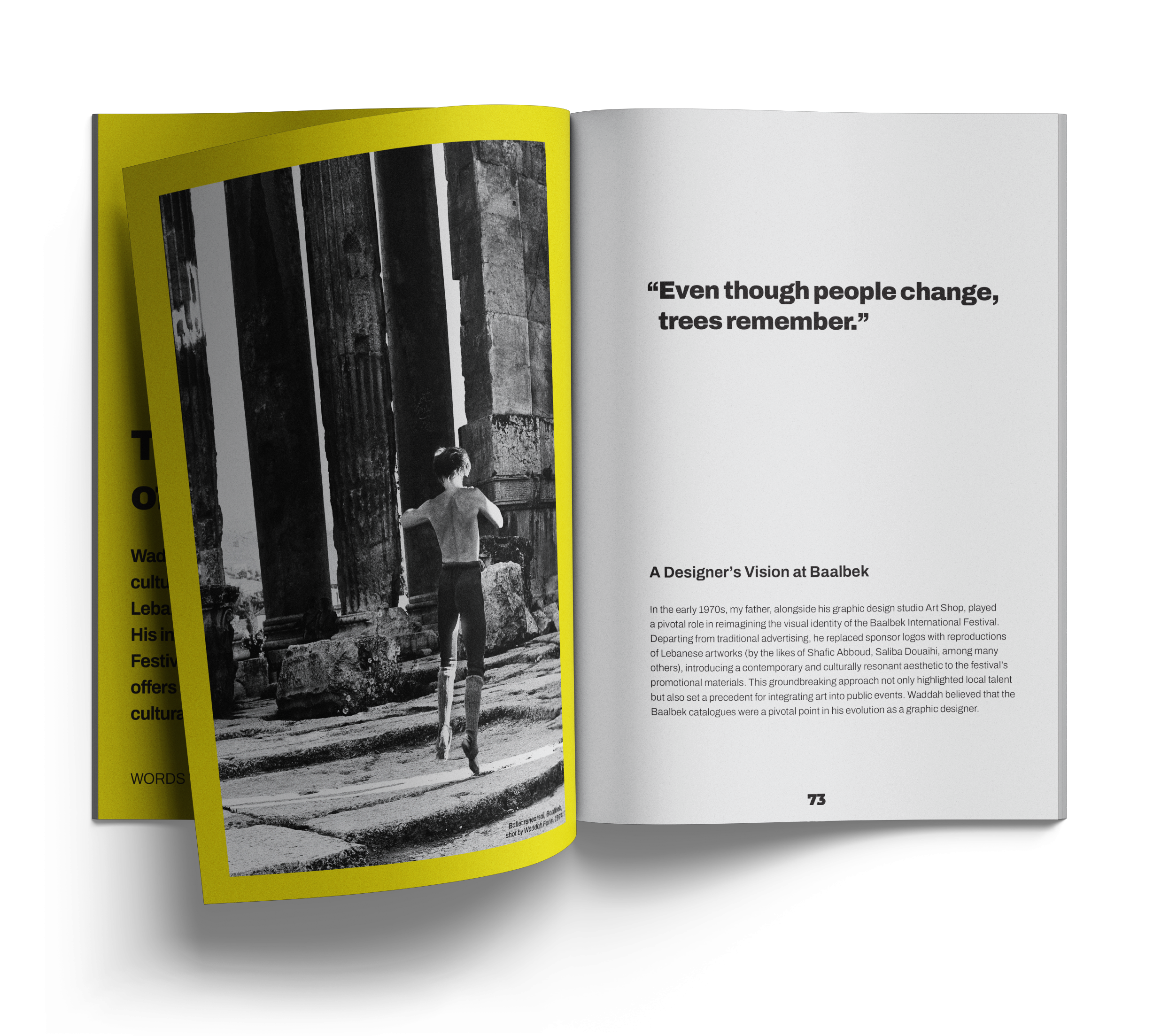
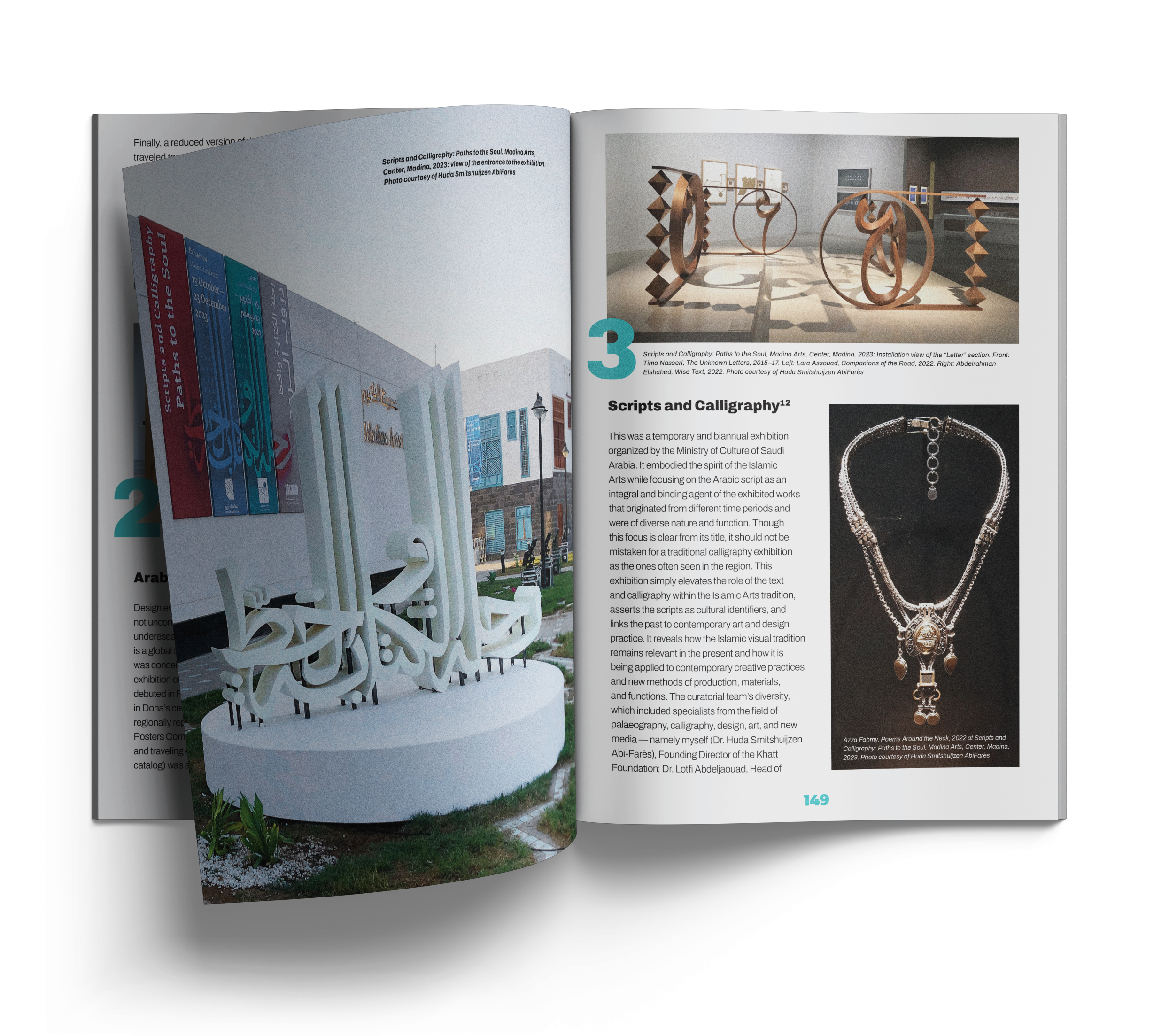
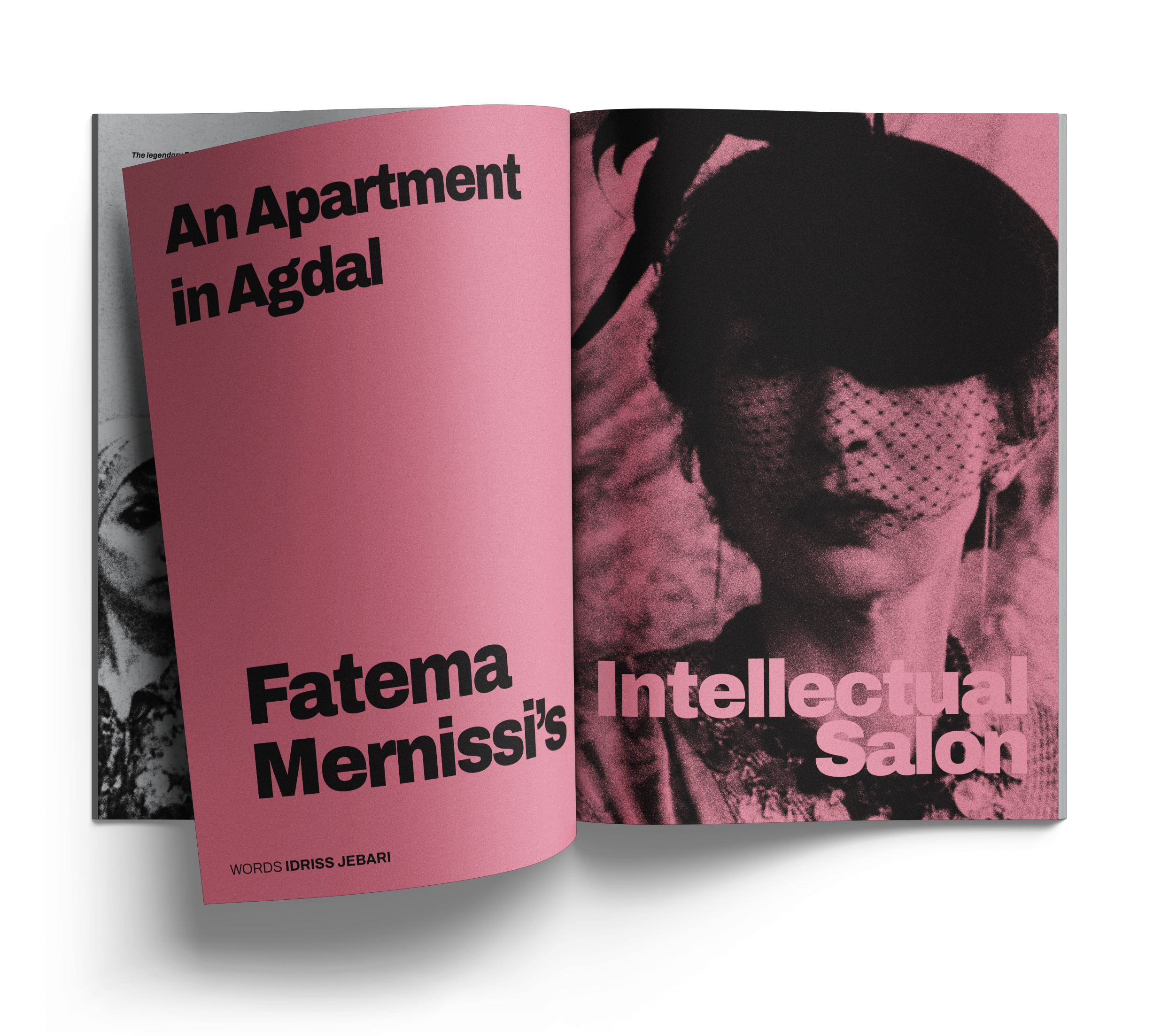
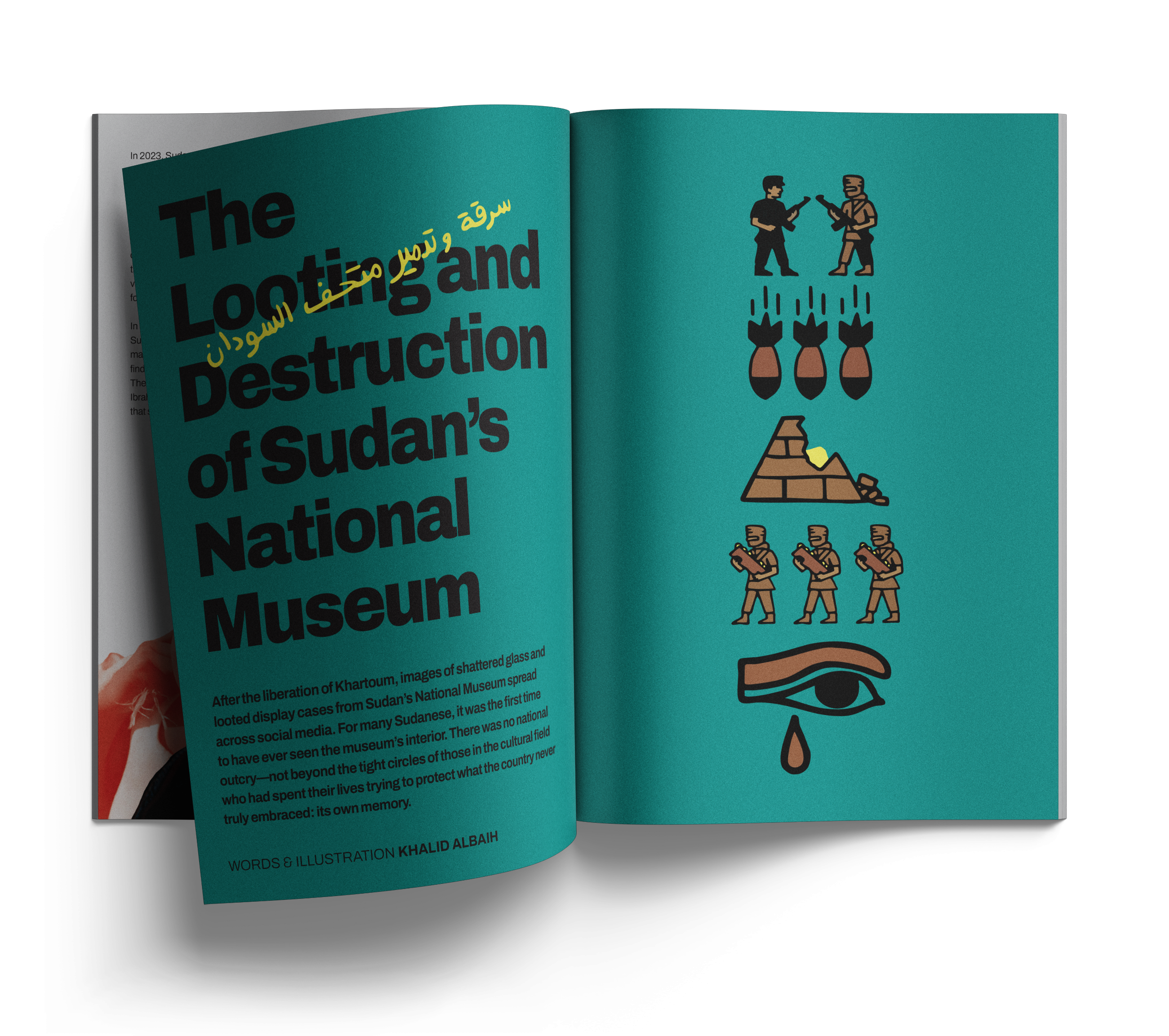
Contents

Footnotes & References
- 1. This funny term refers to a marinade or paste of herbs and spices known as “charmoula” that one finds across Moroccan cuisine. See: Lefennec.com
- 2. Zakia Salime in “Remembering Fatema Mernissi,” Jadaliyya (18.12.2015) and “The Many Lives of Fatema Mernissi: Dreaming and Trespassing,” in Fatema Mernissi for Our Times, ed. M. Moallem and P. Bacchetta. Syracuse University Press, 2025
- 3. Boutheina Khaldi, Egypt Awakening in the Early 20th Century: Mayy Ziyādah’s Intellectual Circles. New York: Palgrave MacMillan, 2012
- 4. Antoine Lilti, The World of the Salons. Sociability and Worldliness in Eighteenth-Century Paris. Oxford University Press, 2005; Faith E. Beasley, Salons, History, and the Creation of 17-Century France. Mastery Memory. Routledge, 2006; Anne Pollock, “Feminity and the Salon,” The Palgrave Handbook of German Romantic Philosophy (2020), 119–140
- 5. Zakya Daoud, Interview “Fatima Mernissi à coeur ouvert,” Lamalif 146 (May/June 1983), 44
- 6. Janet Abu-Lughod, Rabat: Urban Apartheid in Morocco. Princeton NJ: Princeton University Press, 1980, 321
- 7. Mernissi, Beyond the Veil: male-female dynamics in modern Muslim society. London: Al Saqi, 1985, revised edition, 191
- 8. Fatima Mernissi, “La conversation de salon comme pratique terroriste,” Lamalif 139 (Oct–Nov. 1982), 37.
- 9. Mernissi, “La conversation de salon comme pratique terroriste” (1982), 38
- 10. Mernissi, “La conversation de salon comme pratique terroriste” (1982), 38
- 11. Mernissi, “La conversation de salon comme pratique terroriste” (1982), 39
- 12. Mernissi, “La conversation de salon comme pratique terroriste” (1982), 39
- 13. On the genealogy and associations of this term, see: Leila Ahmed, “Western Ethnocentrism and Perceptions of the Harem,” Feminist Studies 8.3 (1982), 521–534
- 14. Though the author outlines the tensions and different camps within the harem among the women who composed it. The different women who compose the harem deserve a study in its own right, as each one represents a different archetype and personality trait that went on to compose Fatema’s worldview: from the paternal grandmother Lalla Mina’s noticeable presence in the home, her maternal grandmother Yasmina’s depth and philosophy, and her mother who plays the role of a bridge and an everyday guide
- 15. Fatima Mernissi, Dreams of Trespass. Tales of a Harem Girlhood. Addison-Wesley Publishing Company, 1994, 84
- 16. Mernissi, Dreams of Trespass, 1994, 84
- 17. Mernissi, Dreams of Trespass, 1994, 88
- 18. Stuart Schaar, “Last Word: On Fatima Mernissi.” Critical Muslim (2015). CriticalMuslim.io
- 19. Note: the book was written under the pen-name of Fatna Ait Sabbah
- 20. Ziba Mir-Hosseini, “Honouring Fatima Mernissi,” Musawah (February 2016). ZibaMirHosseini.com
- 21. Interview with Laryssa Chomiak, 16 May 2025
- 22. As related by Laryssa Chomiak, 16 May 2025
- 23. The interview was completed over the phone a few months later: Maria-Àngels Roque, “Entretien : Mes rencontres avec Fatema Mernissi,” Quaderns de la Mediterrània 20–21, 2014: 92
- 24. Author’s note: Perhaps Moroccan writer and literary critic Abdelfattah Kilito
- 25. Roque, “Entretien: Mes rencontres avec Fatema Mernissi,” (2014), 95
- 26. Raja Rhouni, Secular and Islamic Feminist Critiques in the Work of Fatima Mernissi. Brill, 2010, 196
- 27. Daoud, Interview “Fatima Mernissi à coeur ouvert,” (1983), 43
- 28. Eileen Boris, Making the Woman Worker: Precarious Labor and the Fight for Global Standards, 1919–2019 (Oxford University Press, 2019), 138; Fatima Mernissi, “Historical Insights for New Population Strategies: Women in Precolonial Morocco,” UNESCO Paris (1978); Fatima Mernissi, “Développement capitaliste et perceptions des femmes dans la société musulmane: les paysannes du Gharb,” ILO Geneva (May 1981)
- 29. Fatiha Amellouk, “Rencontre avec Fatima Mernissi,” e-taqafa, March 17, 2015. E-taqafa.com
- 30. Soundouss Chraibi, “Layla Chaouni: les éditions Le Fennec, le projet d’une vie,” Telquel (15.07.2022). Telquel.ma
- 31. In 2022, following the passing of Aïcha Ech-Channa, Guessous wrote a post on Facebook about the impact of Miseria on her studies, especially her graduate school application essay as “the kind of new feminist debate/ discourse in Morocco that I was interested in further studying.” See the post by Nadia Guessous (25.09.2022). Facebook.com
- 32. Dorra Mahfoudh Draoui, “Fatima Mernissi (1940–2015): La lutte pour un féminisme sans tutelle,” Nouvelles Questions Féministes 35, no. 2 (2016): 154–155
- 33. Rabea Naciri’s remarks on the panel “Présentation de l’ouvrage Fatema Mernissi for Our Times” at the Salon International de l’Edition et du Livre, Rabat (19 April 2025). YouTube.com
- 34. Quote by Dorra Mahfoudh Draoui herself in “Fatima Mernissi (1940–2015),” Nouvelles Questions Féministes (2016), 155
- 35. As this was related by activists of the 8 March movement in the Q&A session of the “Présentation de l’ouvrage Fatema Mernissi for Our Times” at the Salon International de l’Edition et du Livre, Rabat (19 April 2025), cited above
- 36. Mernissi oversaw the collections Visibilité femmes and Visibilité femmes au Maghreb with éditions le Fennec
- 37. See Mounia Meftah’s presentation “Spotlight: Who is Fatema Mernissi and how is her work still relevant today?” (Geneva, July 19, 2024). afikra.com
- 38. Idriss Jebari, “The Other Khatibi: Envisaging Arab Intellectuals after the End of Grand Narratives,” Middle East Critique 30, 2 (2021), 149–168
- 39. “Dialogue after Fatéma Mernissi. Rêves d’un Islam cosmique.” Le Meter d’intellectuel. Dialogue avec quinze penseurs du Maroc. En Toutes Lettres, 2014, 89–105
- 40. Fadma Aït Mous et Driss Ksikes, “Penser ensemble, tout un cheminement.” Le tissu de nos singularités. Vivre ensemble au Maroc. En Toutes Lettres, 2016, 20–21
- 41. Aït Mous, Ksikes, “Penser ensemble,” Le tissu de nos singularités (2016), 30
- 42. Collectif du vivre ensemble, “Lettre posthume à Fatéma Mernissi,” Le tissu de nos singularités (2016), 11
- 43. Mernissi, “La conversation de salon comme pratique terroriste” (1982), 39
Footnotes & References
- 1. Saudi Vision 2030. Overview. September 22, 2025. www.vision2030.gov.sa/en/overview


Footnotes & References
- 1. Kamal Boullata, There Where You Are Not: Selected Writings (Munich: Hirmer Verlag, 2019), 356
- 2. Huda Smitshuijzen AbiFarès, “The Spiritual Dimensions of Contemporary Art and Design,” in Scripts and Calligraphy: Paths to the Soul (Milan: Skira, 2023), 47
- 3. Inner Structures – Outer Rhythms: Contemporary Arab and Persian Graphic Design, curated by Huda Smitshuijzen AbiFarès, was commissioned by the Minneapolis College of Art and Design and first exhibited at MCAD Gallery, Minneapolis, from September 1 to November 6, 2021. It subsequently toured to VCUarts Qatar in Doha (February 8 – April 6, 2024), the Museum für Kunst und Gewerbe Hamburg (April 26, 2024 – August 17, 2025), and is scheduled to open at the Aga Khan Museum in Toronto (June 21, 2025 – April 19, 2026). Exhibition info: Minneapolis: mcad.edu ; Hamburg: mkg-hamburg.de; Toronto: agakhanmuseum.org
- 4. The exhibition catalogue is available at www.khattbooks.com
- 5. “Shifting Scripts,” Khatt Foundation, www.khtt.net.
- 6. Workshop 67, Centre for the Study of Manuscript Cultures (Hamburg University), www.csmc.uni-hamburg.de
- 7. The Victoria and Albert Museum’s Jameel Gallery of Islamic Art showcases one of the world’s most significant collections of Islamic art from the Middle East. The Jameel Prize, launched by the V&A in 2009 in partnership with Art Jameel, honors contemporary art and design inspired by Islamic tradition. See vam.ac.uk
- 8. Arab Design Now was presented at M7, Msheireb Downtown Doha, from February 24 to August 5, 2024. See designdoha.org.qa.
- 9. The 100 Best Arabic Posters initiative was launched by faculty and students of the German University in Cairo and ran for four editions between 2016 and 2022. See 100bestarabicposters.com
- 10. Amman Design Week archive, 2016 edition: ammandesignweek.com
- 11. Rana Beiruti, “Curatorial Essay,” in Arab Design Now (Doha: Qatar Museums; Milan: Silvana Editoriale, 2024), 17
- 12. The two companion catalogues for the “Scripts and Calligraphy” exhibitions are: Scripts and Calligraphy: A Timeless Journey (Paris–Beirut: Kaph, 2021) and Scripts and Calligraphy: Paths to the Soul (Milan: Skira, 2023). Contributors include Lotfi Abdeljaouad, Eric Delpont, Nuria Garcia Massip, Issa Makhlouf, and Huda Smitshuijzen AbiFarès
- 13. The Islamic Arts Biennale, launched in 2023, is the first of its kind in the region. The second edition is scheduled for 2025. See biennale.org.sa
- 14. Huda Smitshuijzen AbiFarès, “Design and the Jameel Prize,” in Jameel Prize 4 (Istanbul: Pera Museum, 2016)
- 15. Islamic Arts Biennale – 2023 edition: biennale.org.sa
- 16. Islamic Arts Biennale – 2025 edition: biennale.org.sa
- 17. Islamic Arts Biennale – 2025 edition: biennale.org.sa
- 18. Morcos Key design studio: www.morcoskey.com
- 19. Based on an email exchange with designer Wael Morcos, May 22, 2025
Credits
Editor-in-chief: Jade George
Managing editor: Nour Daher
Art director: Daša Mamula
Founder & Executive director: Mikey Muhanna
Cover artist: Mazen Kerbaj
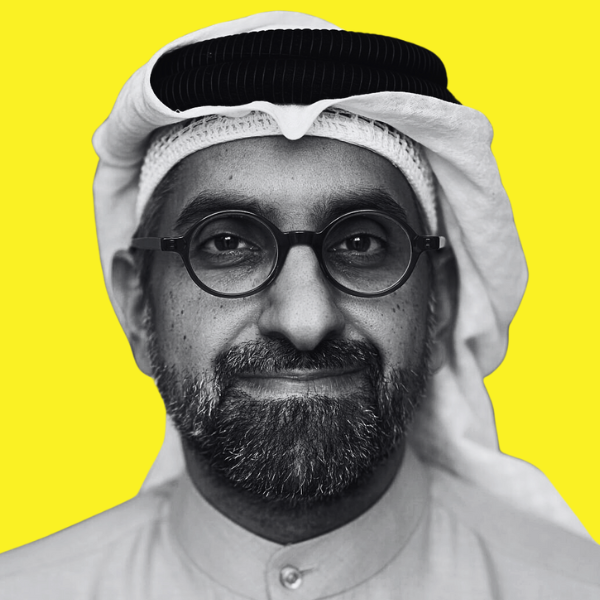
Contributors: Rabab Chamseddine, Mahmoud Talaat, Farida Youssef, Ziad Jamaleddine, Sultan Sooud Al Qassemi, Brahim Ahmed, Alia Yunis, Huda Smitshuijzen AbiFarès, Idriss Jebari, Nadi Abusaada, Khalid AlBaih, Alia Al Senussi, Ali Karimi, Teymur Faris, Nour Daher, Jade George, Mikey Muhanna.
Browse Online Editions