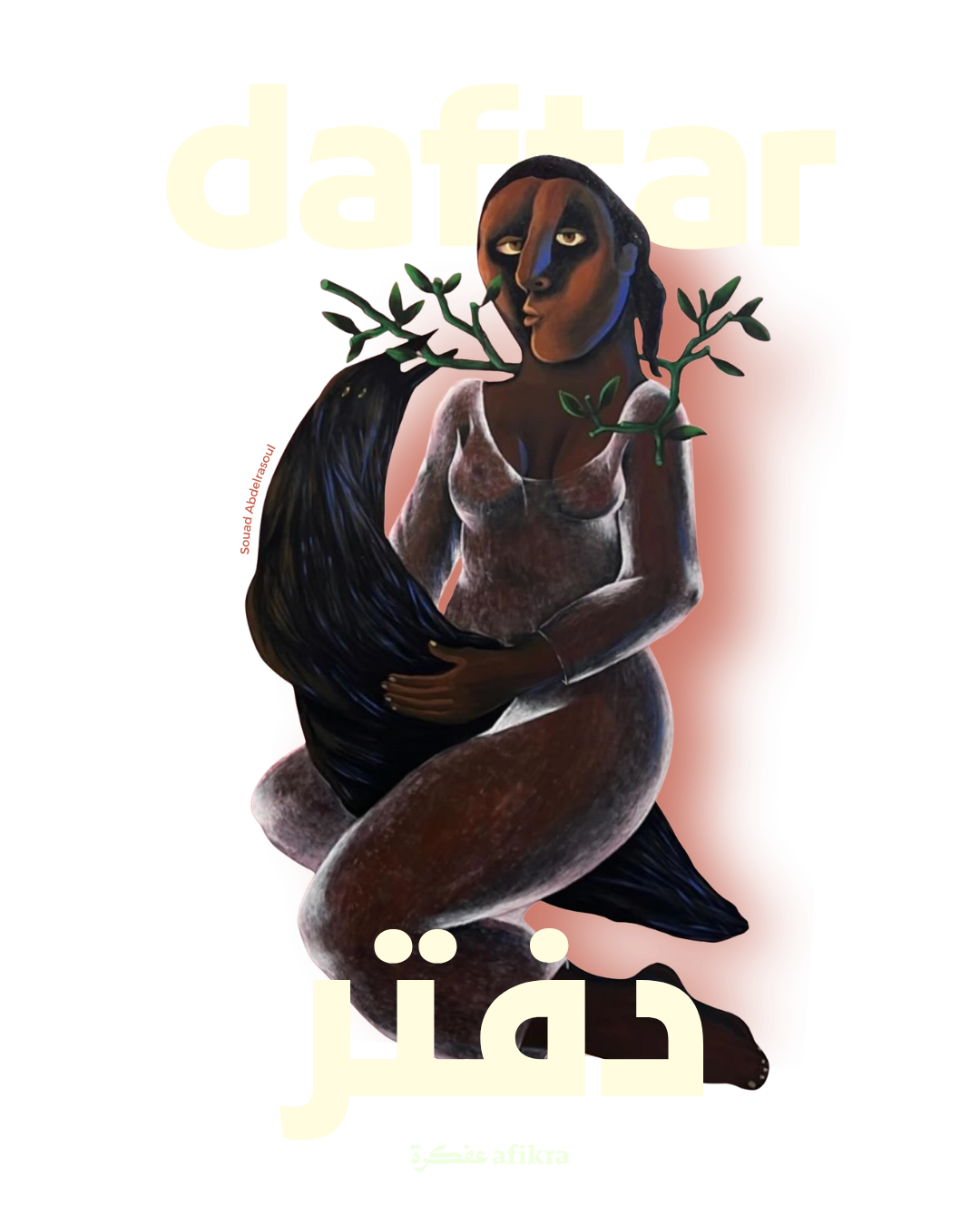
Al-Jasad
The body, the first home we inhabit and the only one we carry throughout our lives, is also the doorway through which the world enters us. It carries memories that shape both the individual and the collective. It is where identity is negotiated, where violence leaves its mark, and where we create and give birth—to ideas, art, and new life. At a time when bodies across the region are increasingly subjected to displacement, surveillance, erasure, and violence, the body has become impossible to separate from the political realities that shape everyday life. Across this edition of Daftar, Al Jasad (The Body), contributors approach the body as a living terrain shaped by movement, memory, ritual, migration, grief, desire, and renewal. Through photography, art, literature, performance, and critical essays, the body emerges as both witness and participant. From the rhythms of movement and ceremony to the traces left by displacement, from the racialized and politicized body to the seasonal wisdom of the womb, these contributions reveal the many ways bodies carry worlds within them.
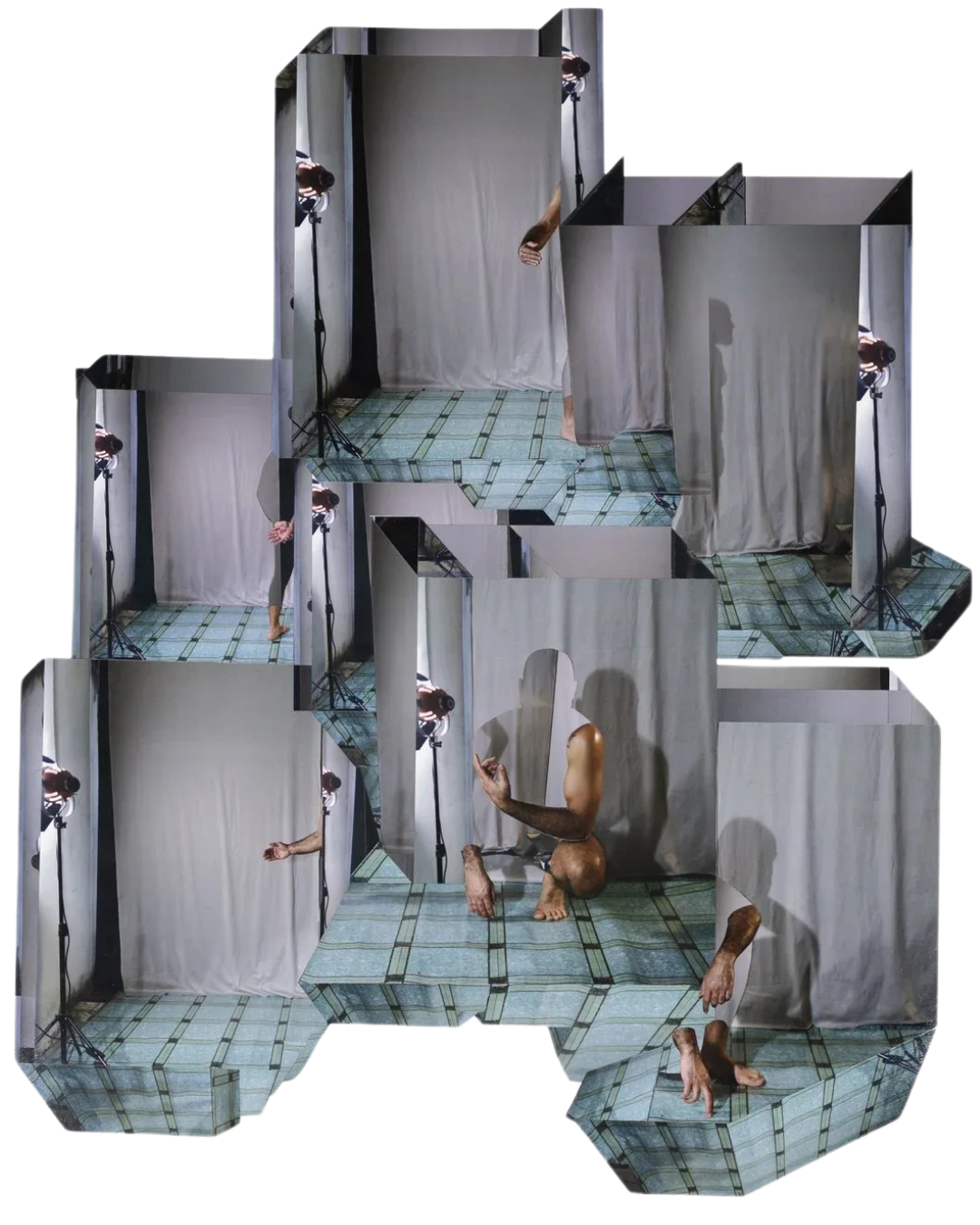
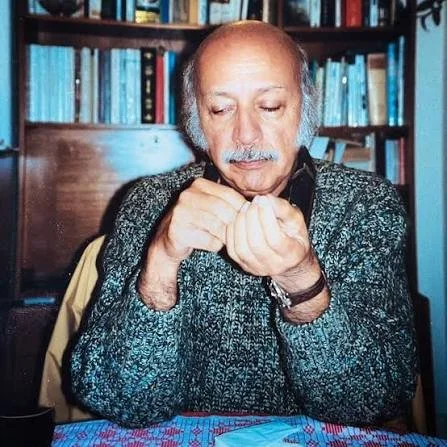
Where Two Oceans Meet: On the Fragmented Body in Ibrahim Ahmed’s Work
By Ahmed Shawky Hassan
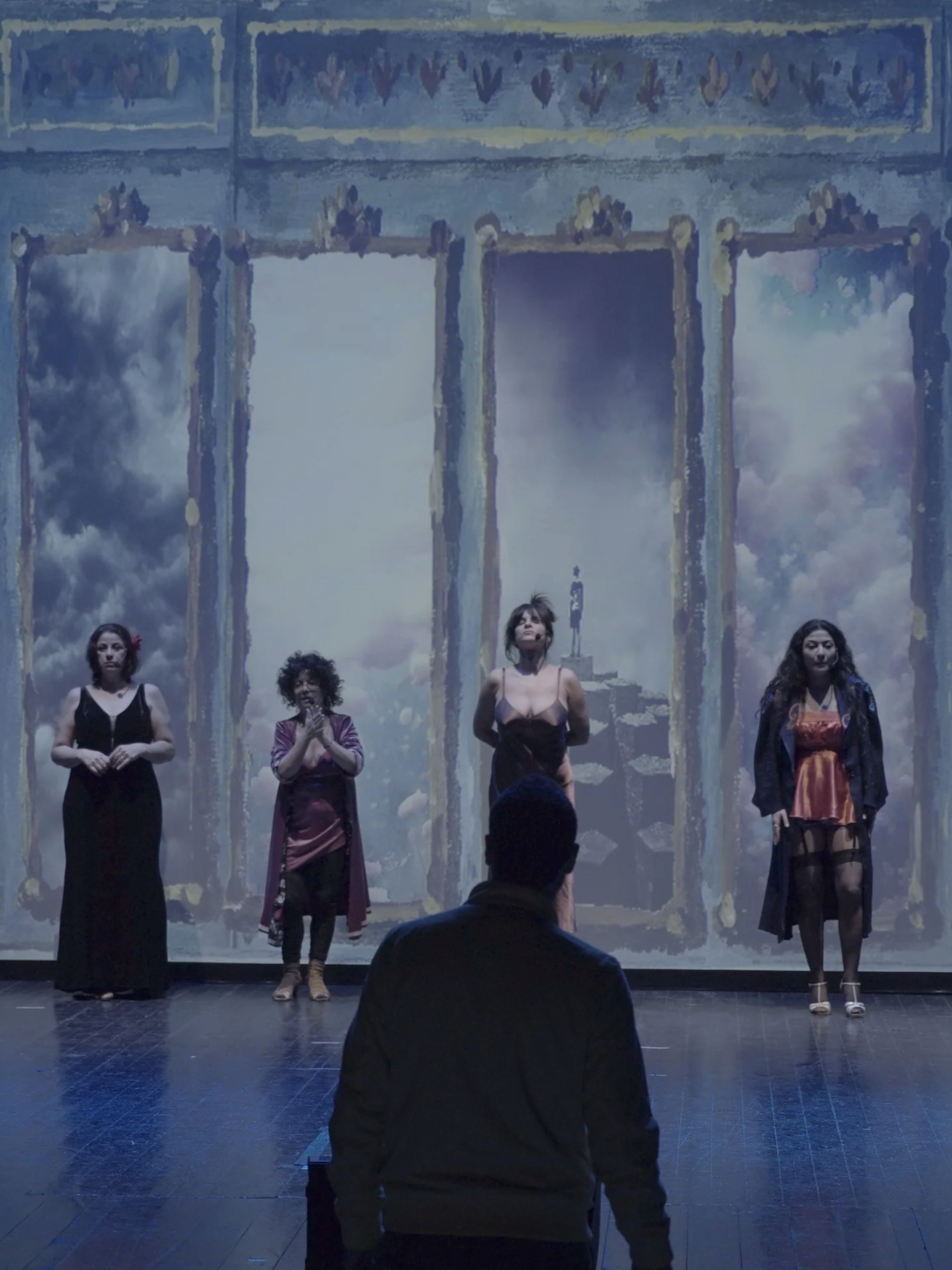
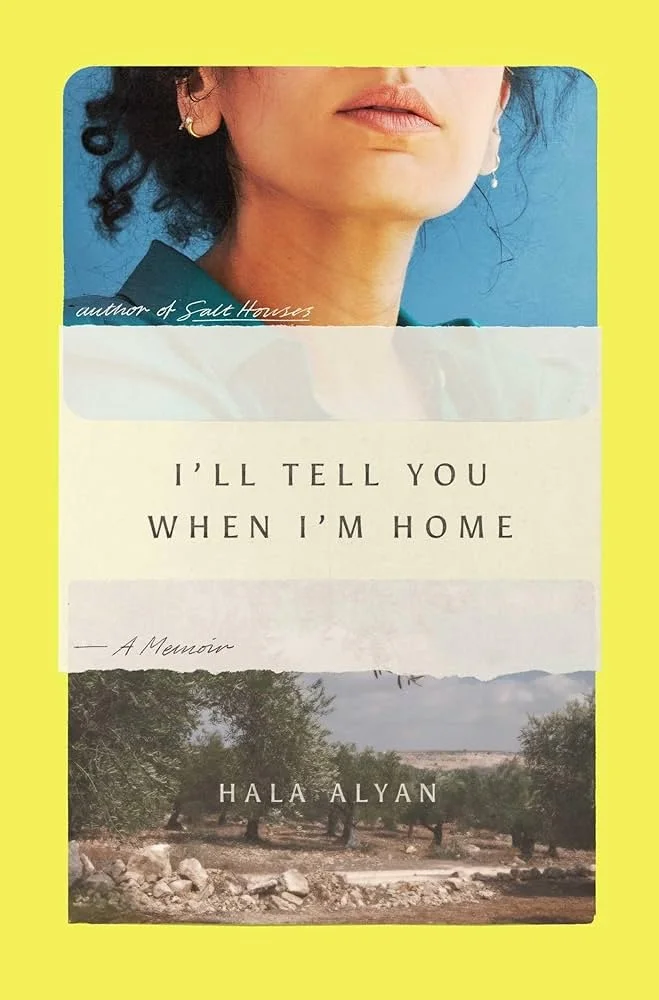
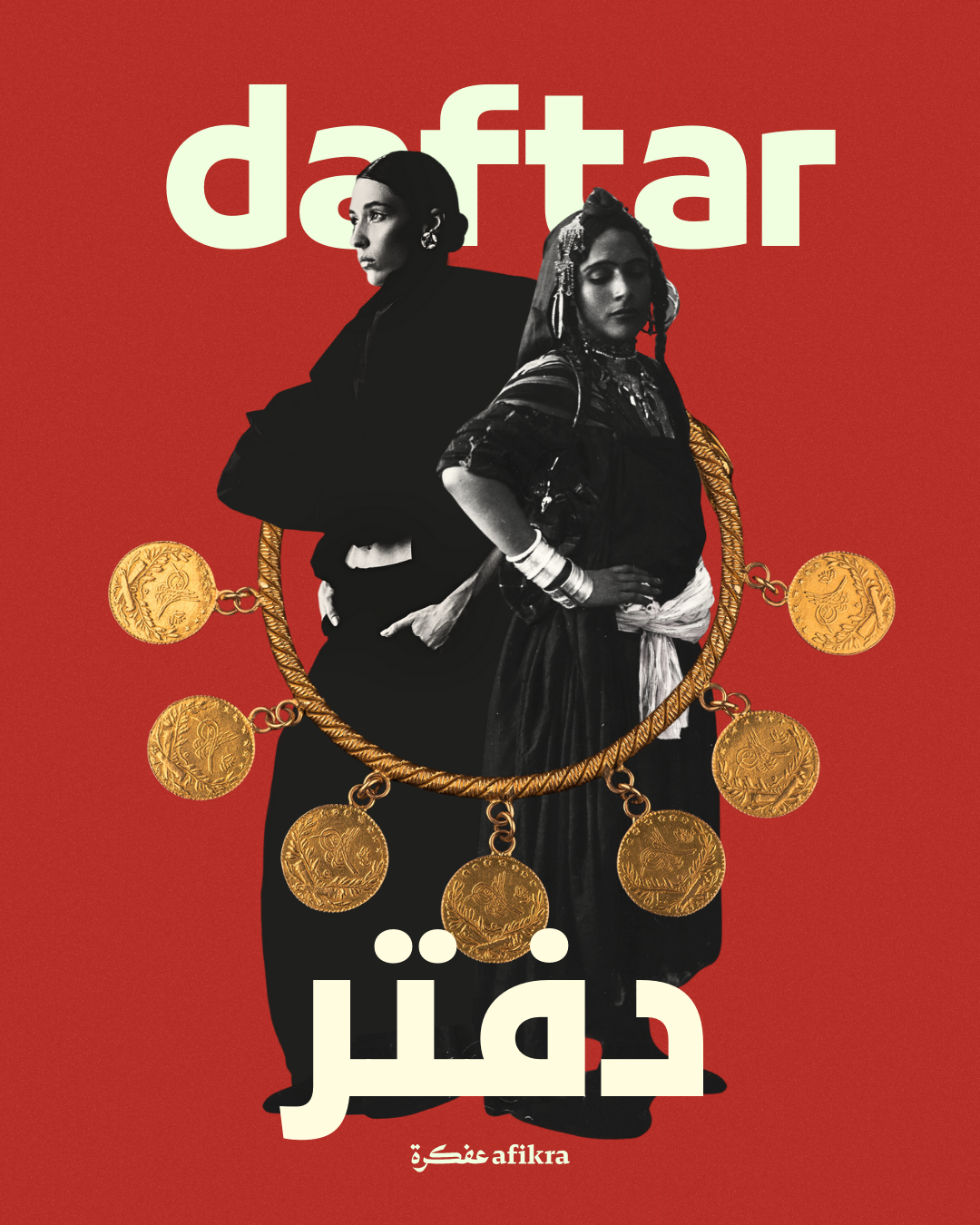
Reviving the Hidden History of Beirut’s Working Girls
Interview by Jade George

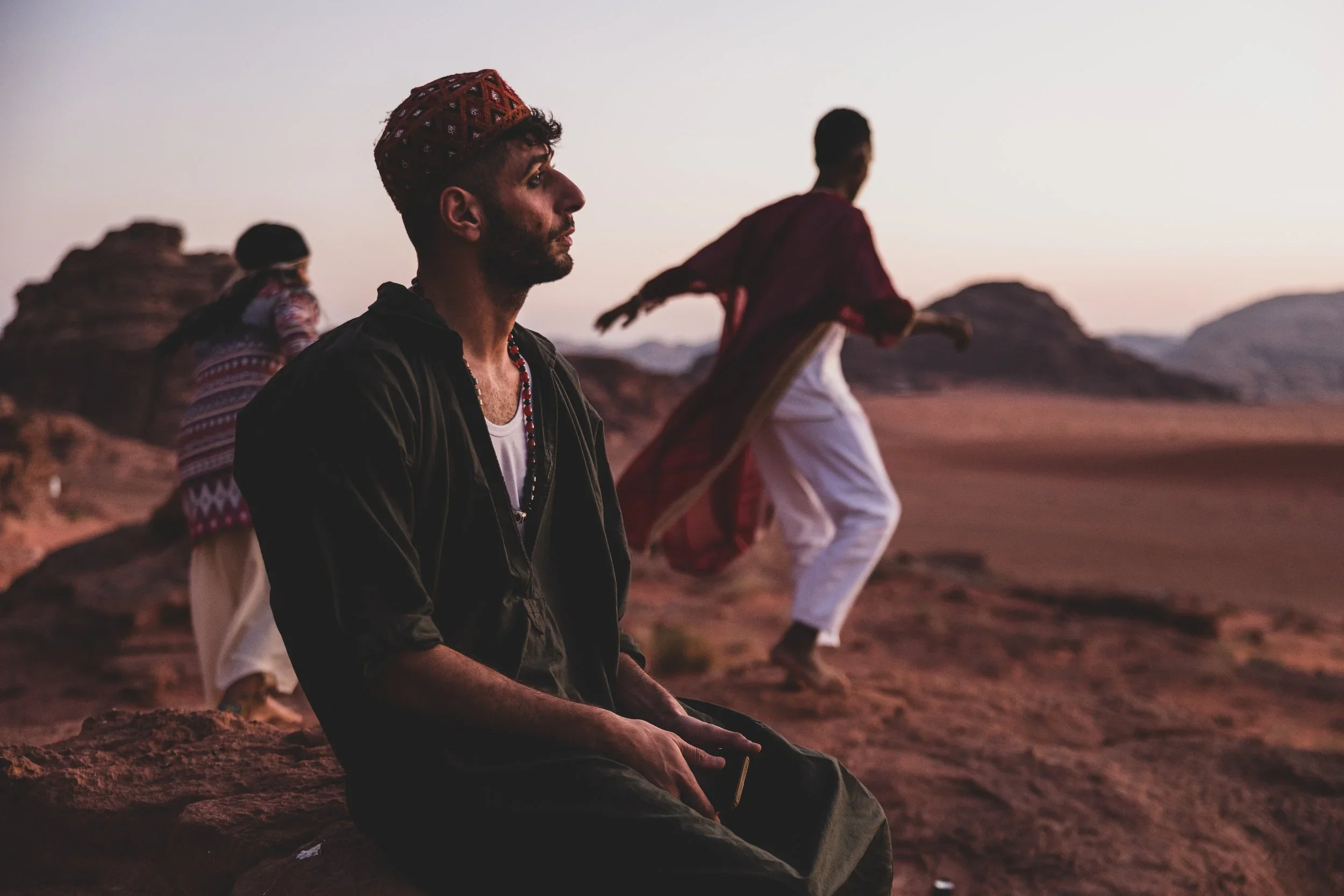
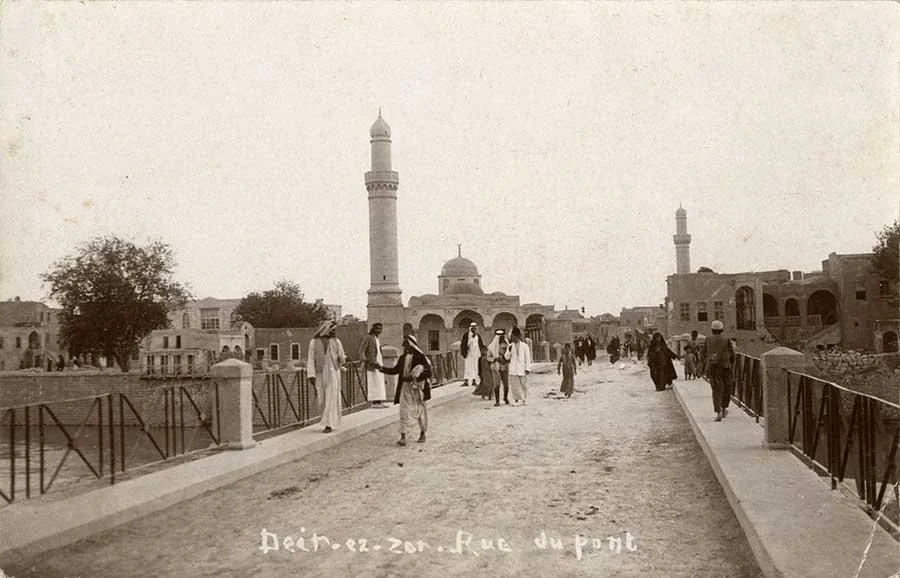
Body, Memory, and Movement
Hadi is a Jordanian curator, choreographer, and movement designer based in Amman, where he has founded Studio 8 and IDEA Festival. His practice moves between performance, ceremony, and interdisciplinary collaboration, and is rooted in an ongoing inquiry into the body as an archive, language, and site of cultural memory.
Interview by Ibrahim Nehme
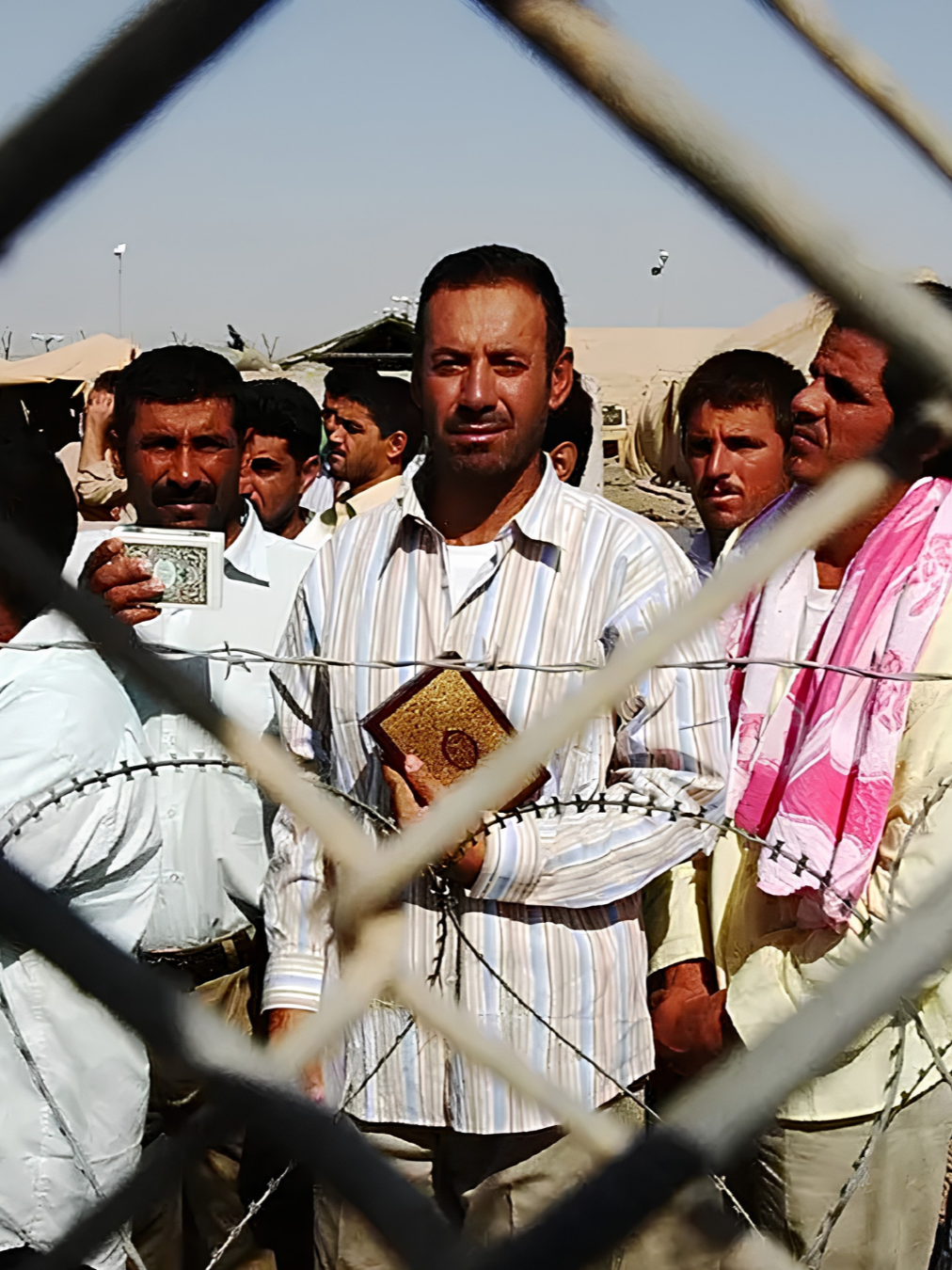
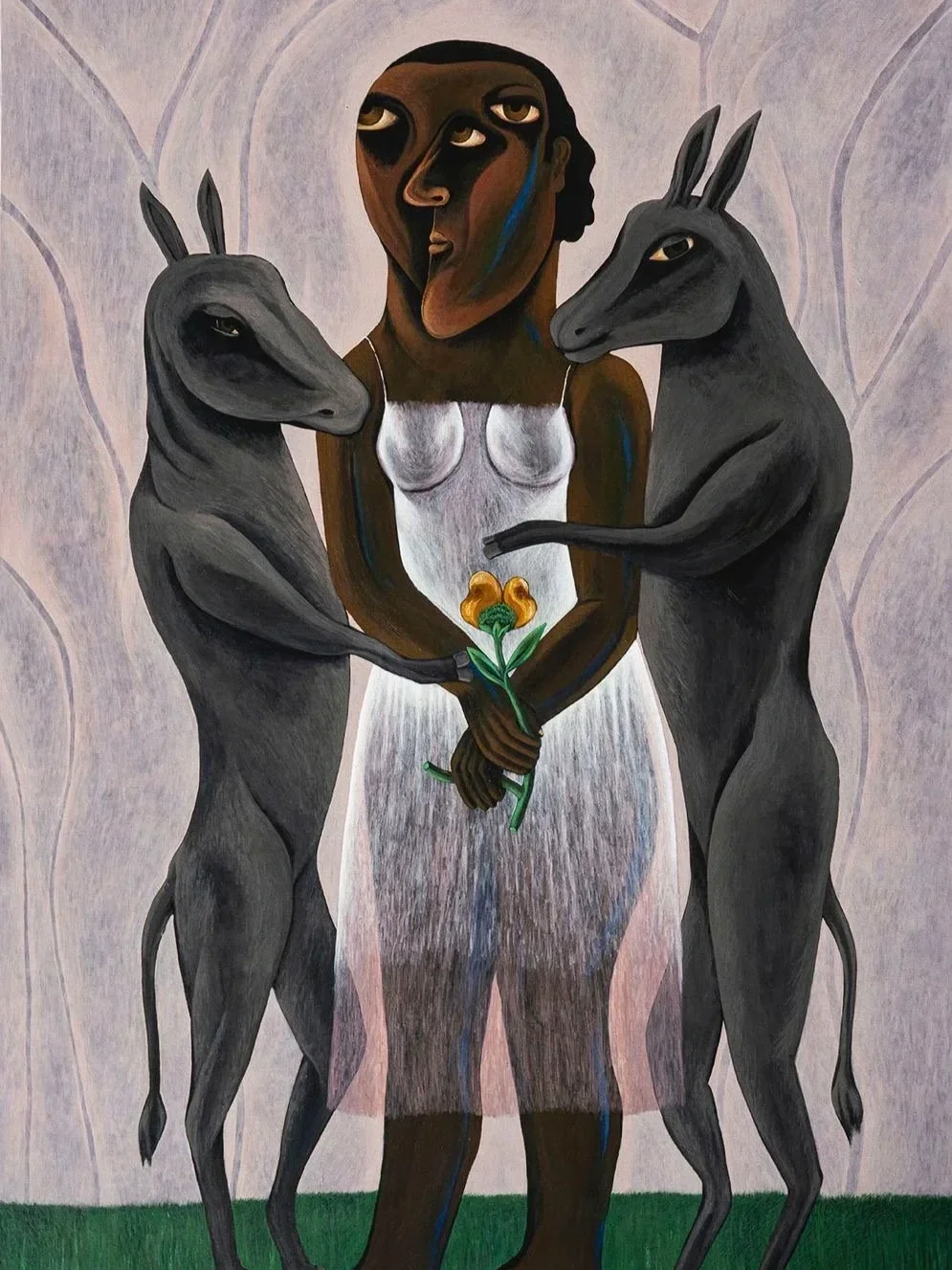
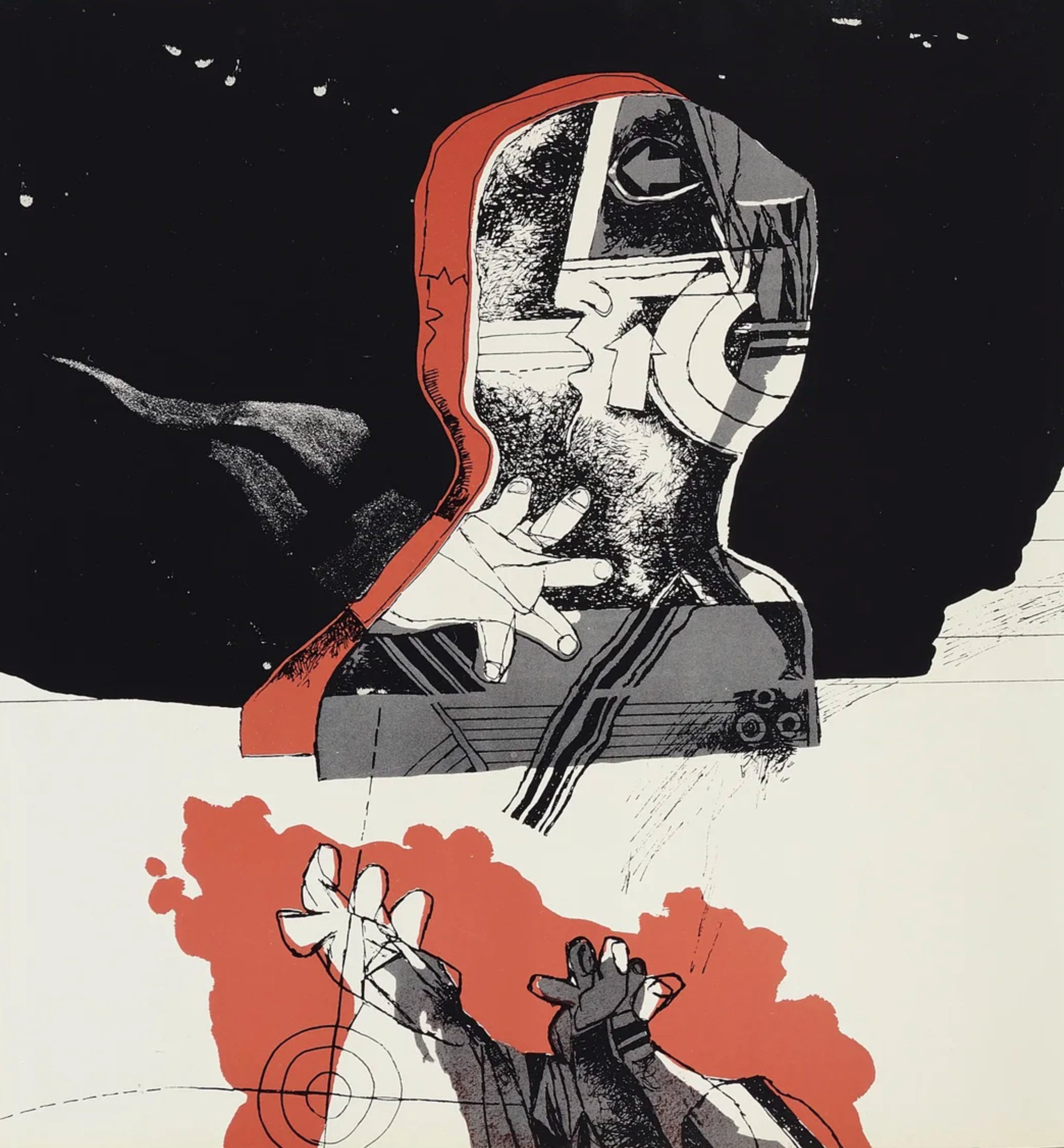
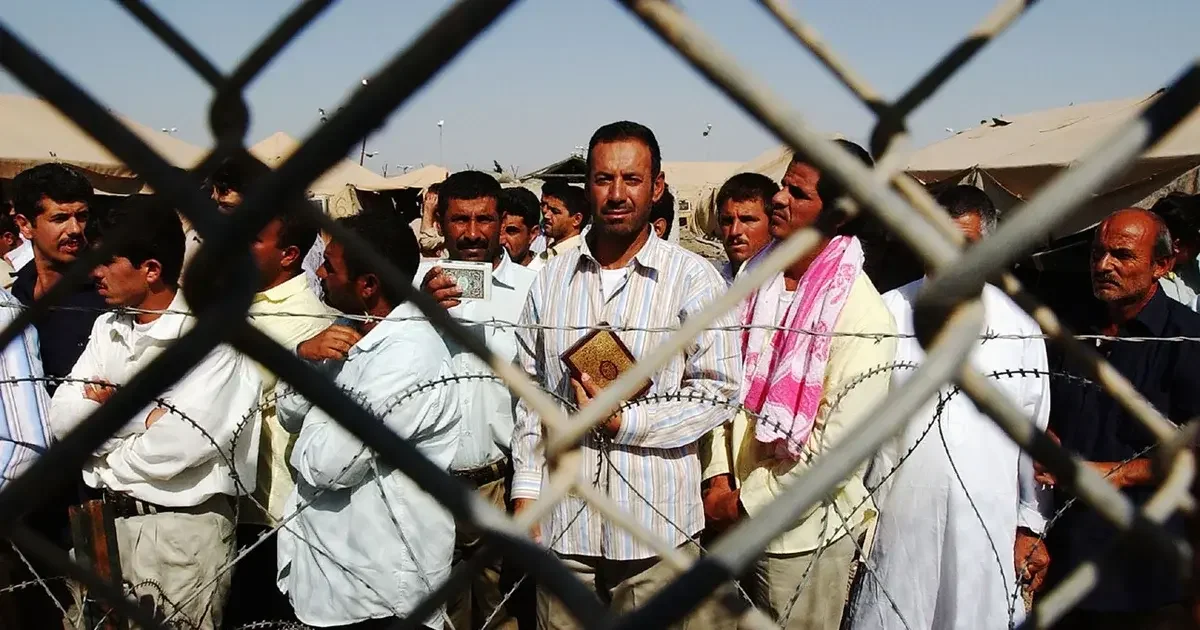
Dia al-Azzawi’s Nashid al-Jassad
Nashid al-Jassad: Qasa ʾid marsuma li Tal al-Zaʿtar (The Body’s Anthem: Poems Drawn for Tall al-Zaʿtar) is a two-tiered book edition by the Iraqi artist Dia al-Azzawi, produced between 1979 and 1980 in collaboration with the Beirut-based publisher Dar al-Muthallath, in commemoration of the 1976 violent crackdown on Tal al-Zaʿtar.
Words by Zeina Maasri
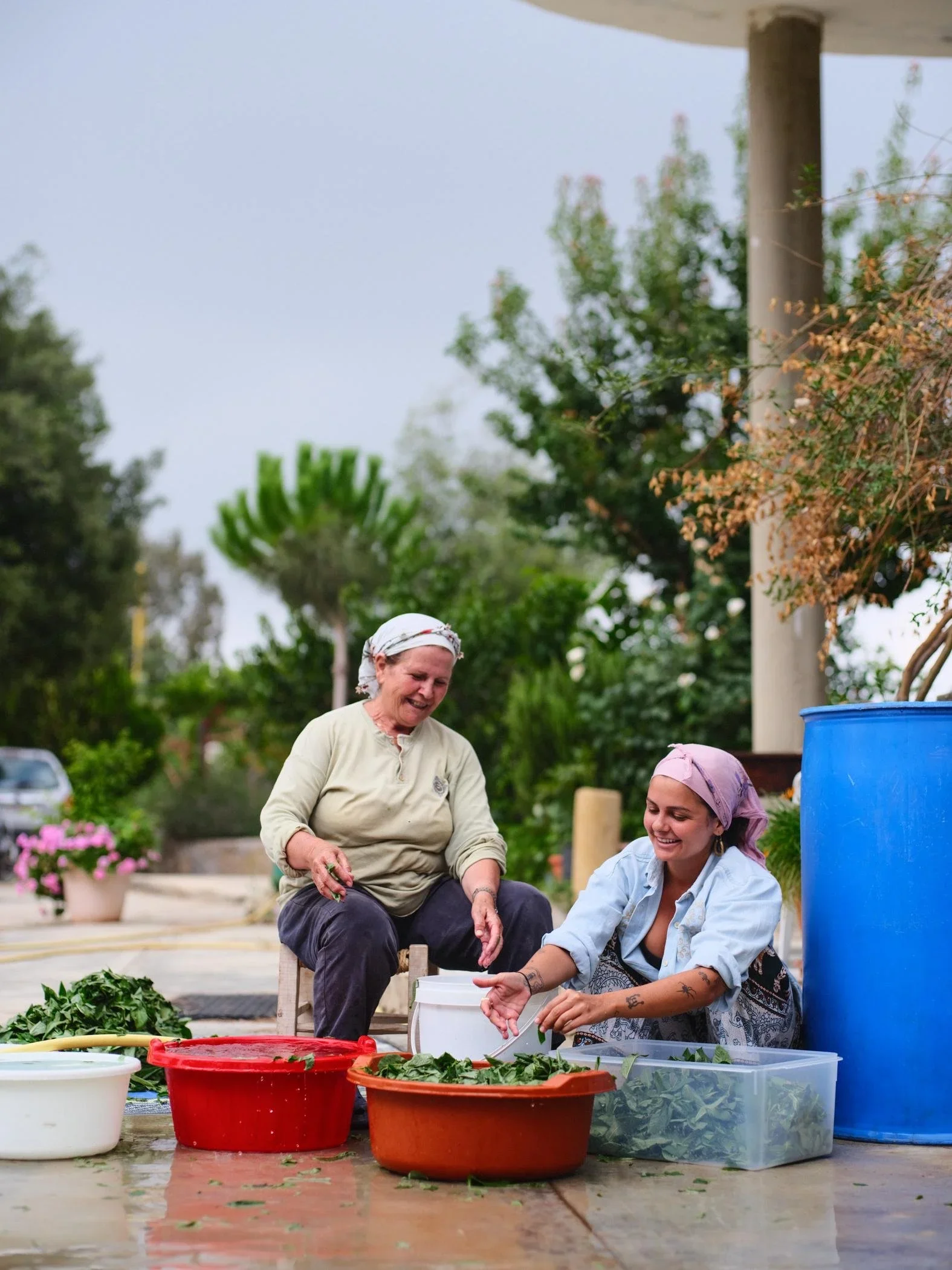
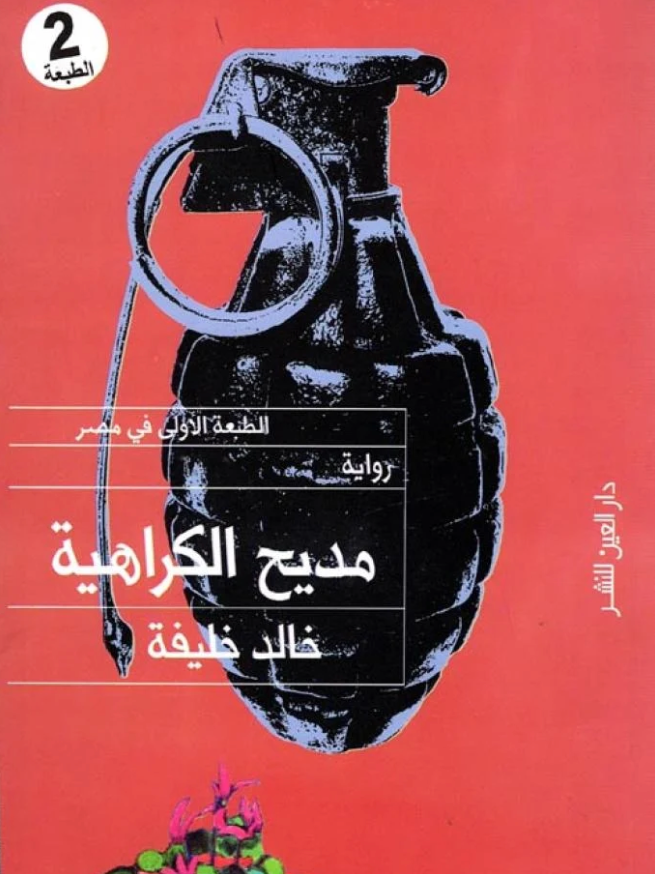
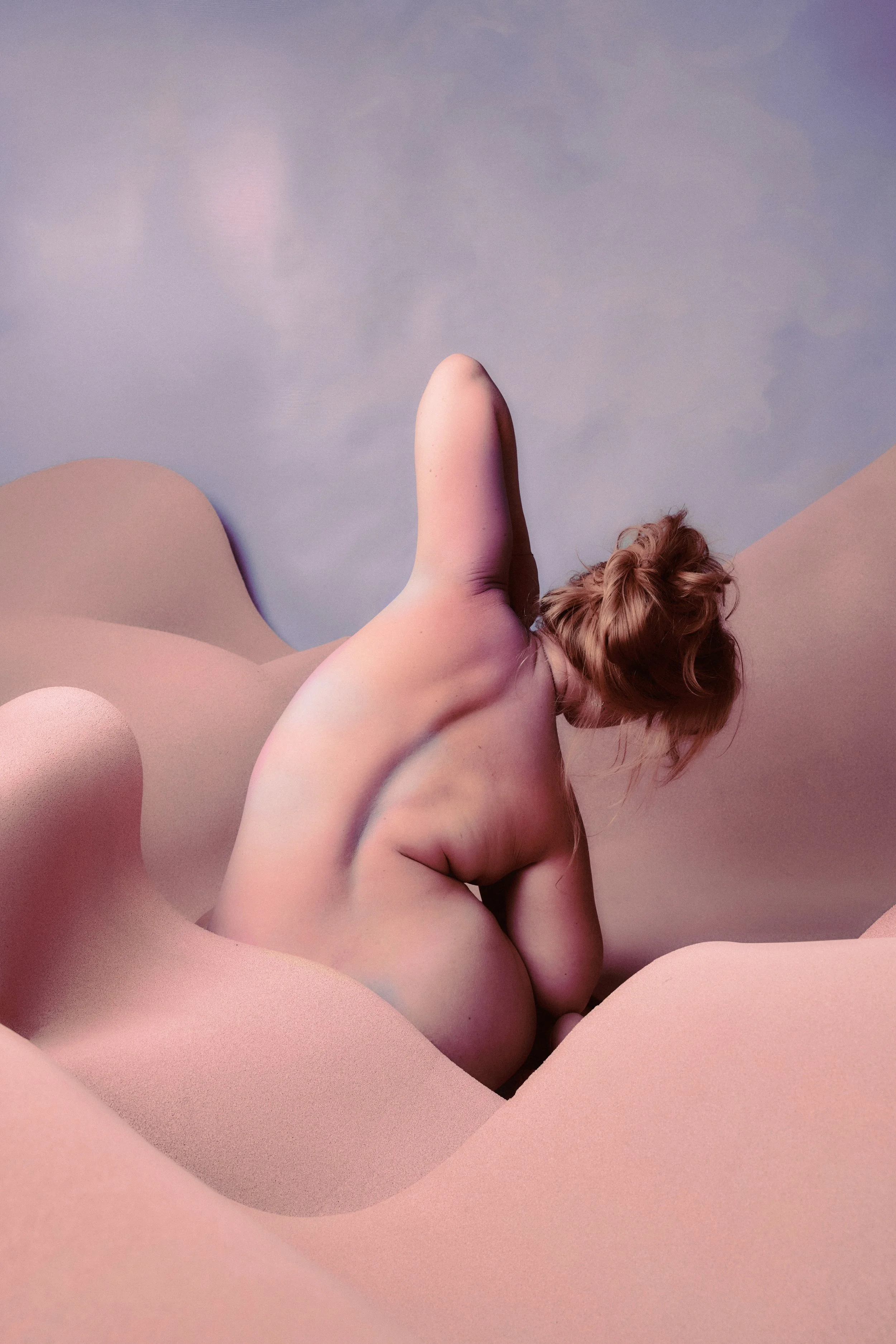
Tsawwar… Lara Zankhoul
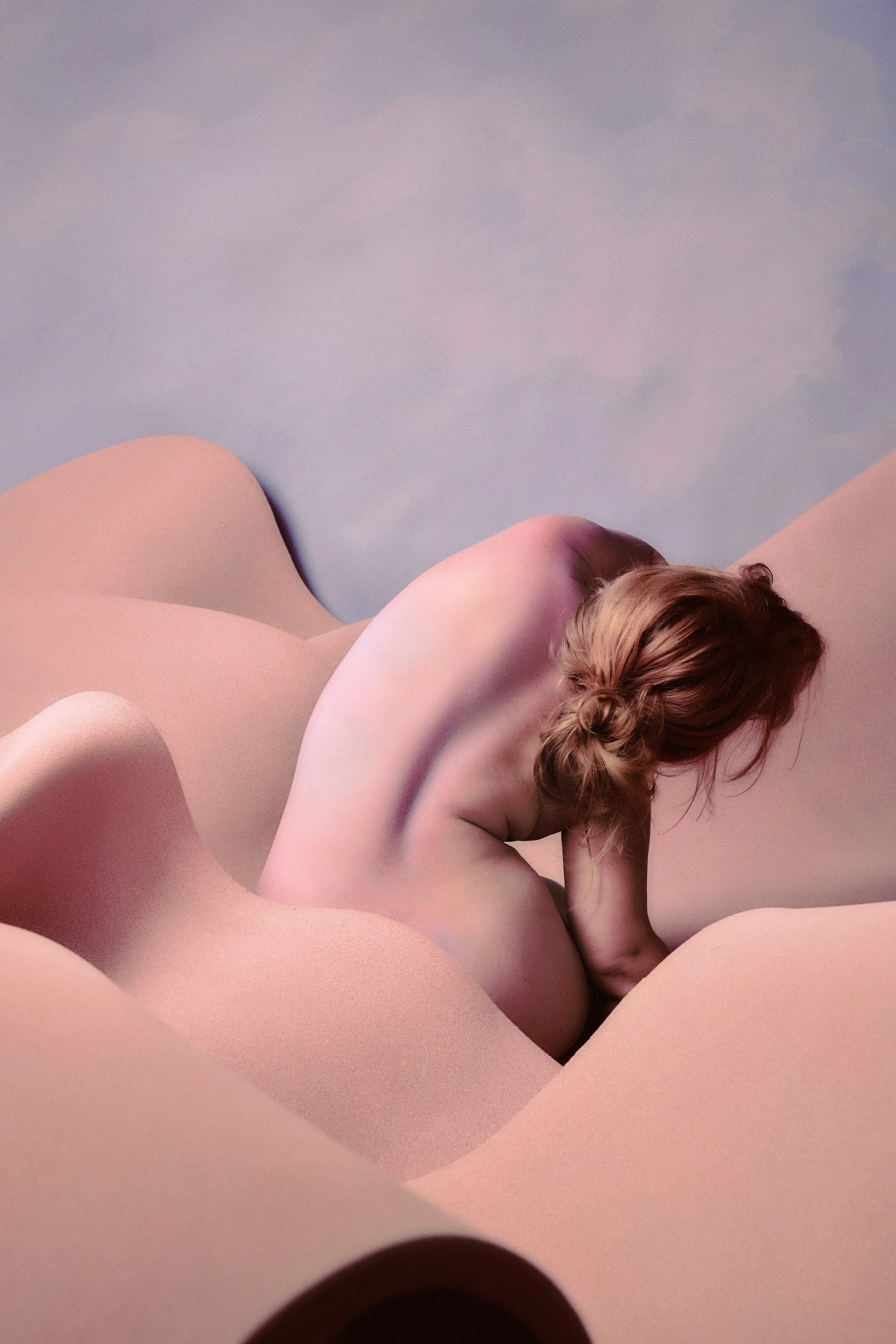
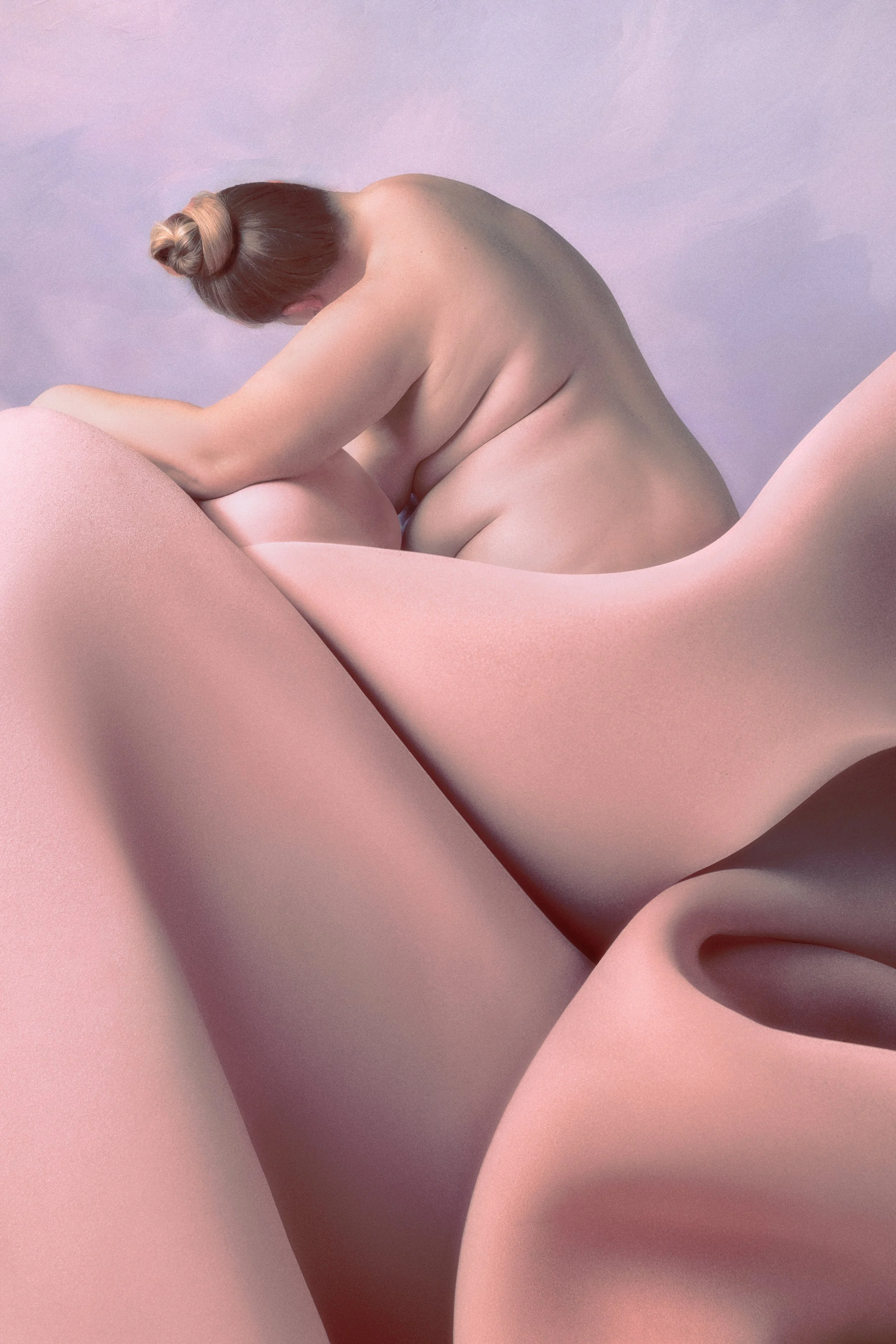
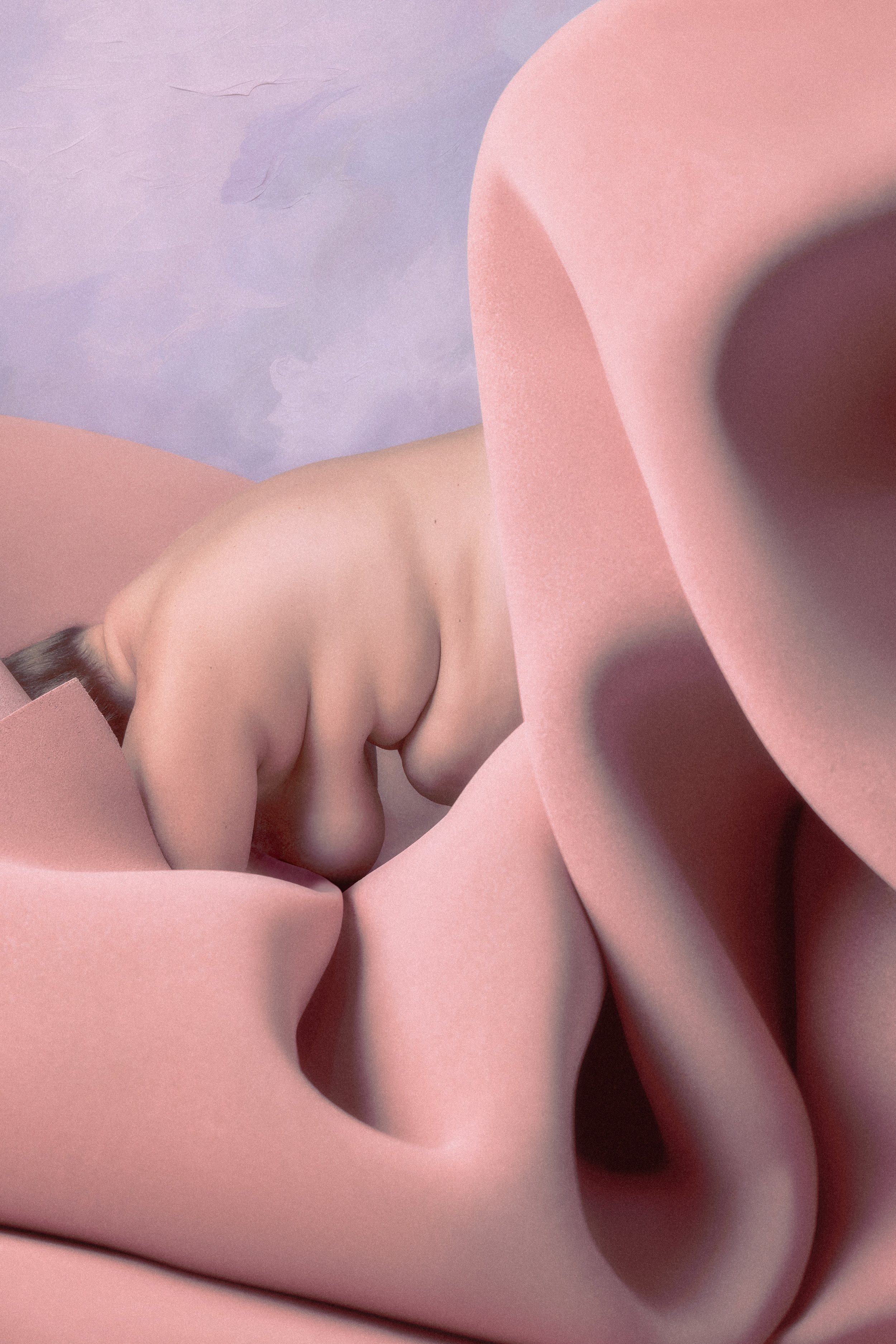
“The female body is reimagined as landscape: monumental, sacred, and unbounded. Through sculptural compositions and softened contours, flesh becomes terrain, shifting the gaze from objectification to reverence. These forms are neither erotic nor idealized; they are expansive, architectural, and alive. Created during pregnancy, the series reflects on cycles of creation, the body as both subject and source. One body generating another, one form giving rise to new visions. A meditation on embodiment, power, and infinite becoming.”


Stories You May Have Missed