What Qatar 2022 Highlights Today
Words by Fatima Dhaim
When Qatar was awarded the 2022 FIFA World Cup, much of the Western reaction was immediate and familiar. Headlines questioned how a “small desert state” could host football’s biggest event. Coverage fixated on heat, labor, and cultural difference. The subtext was clear: Qatar didn’t quite belong. Many of the issues raised deserved attention: labor conditions, workers’ rights, and social policy matter. But the way these concerns were framed often revealed something deeper than human rights advocacy. Qatar was not just criticized, it was treated as an exception, a problem to be explained, a cultural anomaly disrupting a space assumed to belong elsewhere. The World Cup became less about football and more about who gets to host the world and on whose terms.
Throughout the tournament, Western media coverage leaned heavily on a moral lens. Qatar was measured against a set of “universal values” that were rarely acknowledged as culturally specific. Labor reforms were discussed in isolation, stripped of regional context, while comparisons to Western countries or World Cup hosts were notably absent. The result was a narrative that cast Qatar as uniquely backward or deceptive. Exploitation, inequality, and political compromise were treated as if they were unfamiliar features of global capitalism rather than shared ones. This framing wasn’t new. It echoed a long-standing tendency to treat Arab societies as culturally rigid and politically suspect, while positioning the West as the neutral standard. Qatar wasn’t analyzed as a state navigating power, image, and reform; it was judged as a civilization test.
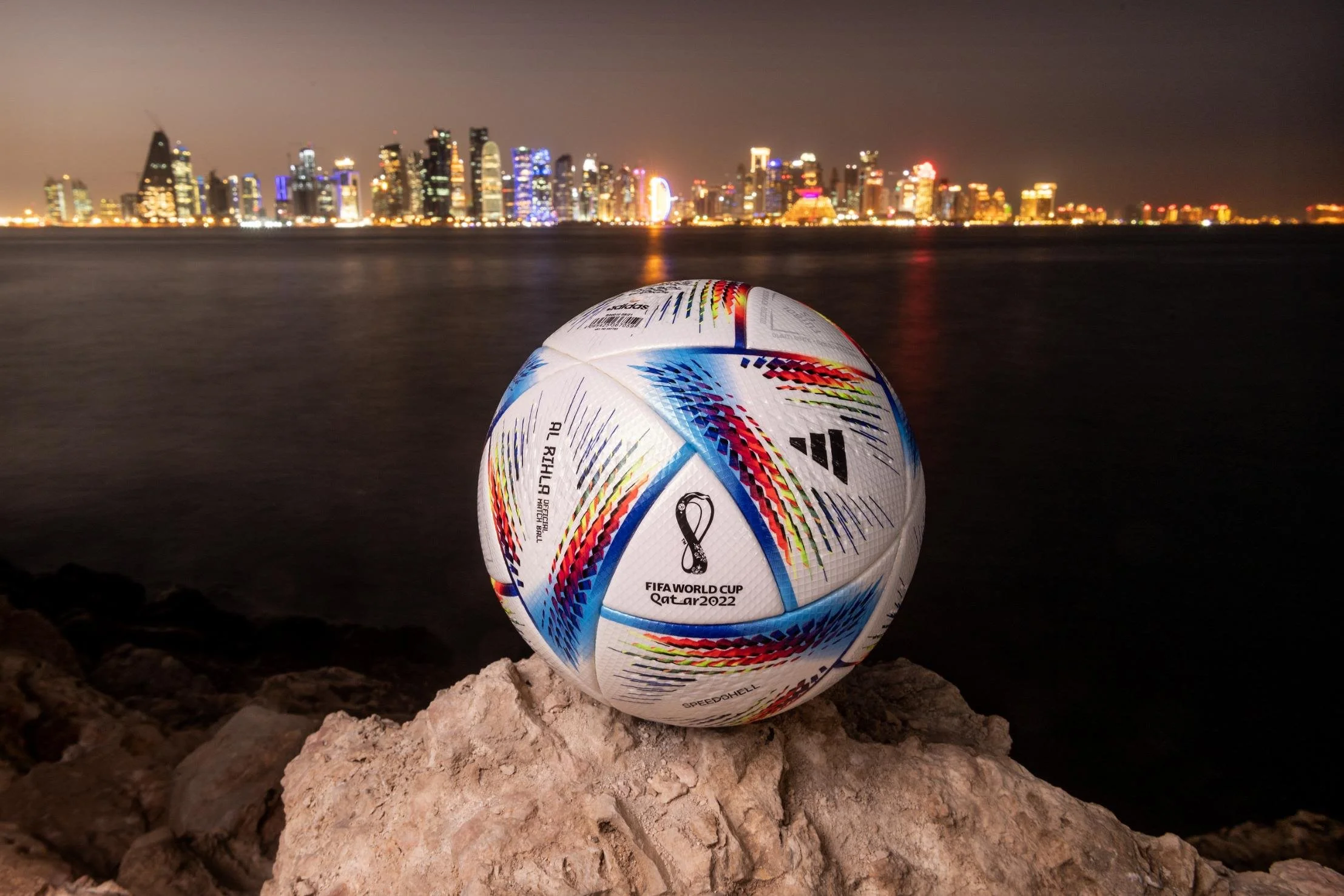
Image from Columbia Law School
Much of the criticism centred on the idea that Qatar simply wasn’t suited to the World Cup. It was too small, too hot, too conservative. These claims ignored Qatar’s wealth, infrastructure, and decades-long investment in global sport. More importantly, they ignored the fact that global events have never been politically neutral. When Western states use mega-events to project soft power, it’s treated as strategy. When Qatar did the same, it was framed as manipulation. Modernity, it seemed, was acceptable only when it looked familiar. Nowhere was this clearer than in cultural coverage. Alcohol rules, dress codes, and ceremonial moments were magnified into symbols of repression, even when handled pragmatically during the tournament. The tone was less curious than suspicious.
The Bisht ceremony with Lionel Messi became a flashpoint. What Western commentators dismissed as awkward or inappropriate was, for Arab audiences, a gesture of honor and a moment of cultural visibility on the world’s biggest stage. The backlash said less about Messi and more about discomfort with Arab symbols occupying global space. That discomfort became even clearer when compared to what went unquestioned. Argentina’s goalkeeper Emiliano "Dibu" Martínez celebrating his Golden Glove in a crude, vulgar manner barely registered as scandal. One act was tolerated as football culture; the other was treated as a threat. The difference was not taste; it was clearly power.
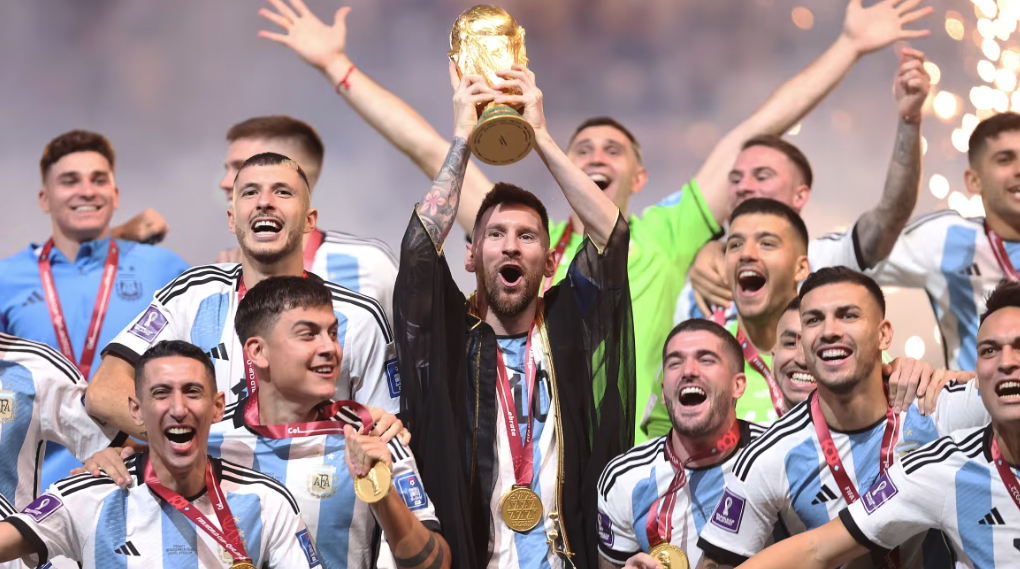
Julian Finney/Getty Images
What made Qatar 2022 different wasn’t just the criticism, but the response to it. Arab journalists, commentators, and everyday users on social media didn’t passively absorb Western narratives: they challenged them, often sharply. Arab media highlighted labor reforms that were dismissed or minimized elsewhere. Online, comparisons were drawn, hypocrisies pointed out, and stereotypes openly mocked. For many viewers across the region, the World Cup became about something larger than sport: the right to be seen without translation or approval.
This pushback mattered. It disrupted the usual one-way flow of representation, where the West explains the “Middle East” to itself and others. Qatar didn’t win the narrative battle, but it showed that the battle is no longer uncontested. Qatar 2022 exposed how easily criticism can slide into cultural judgement, and how often these “universal values” are framed in ways that privilege Western norms. But it also revealed something else: the growing confidence of non-Western voices to push back publicly and collectively. The tournament forced a question that extends far beyond football. Not whether Qatar was ready to host the World Cup, but whether global media is ready to engage with the Arab world without inherited assumptions. Because if Qatar 2022 showed us anything, it’s that the story of this region is no longer waiting to be told; it’s already being told by those of us who live it.
Fatima Dhaim is a Master's Student in International Relations at SOAS University.
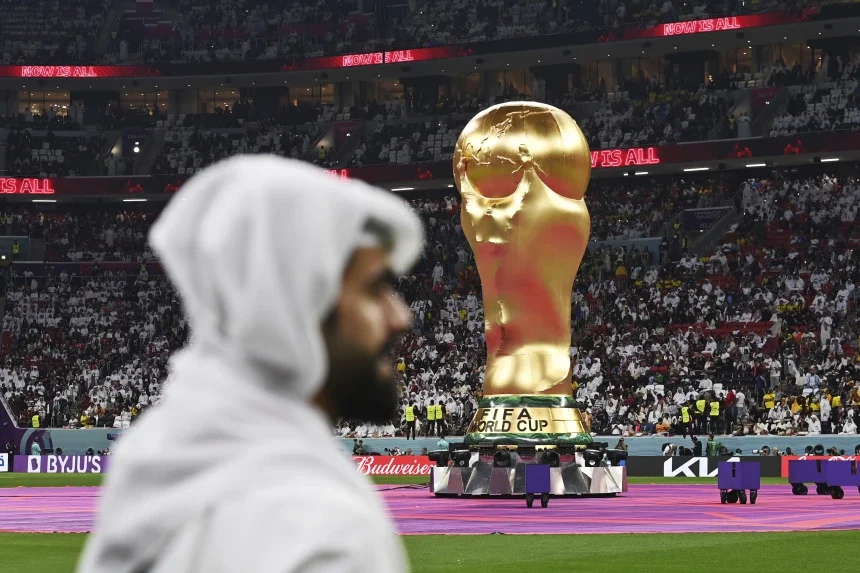
Shot by Frank Hoermann for NBC News
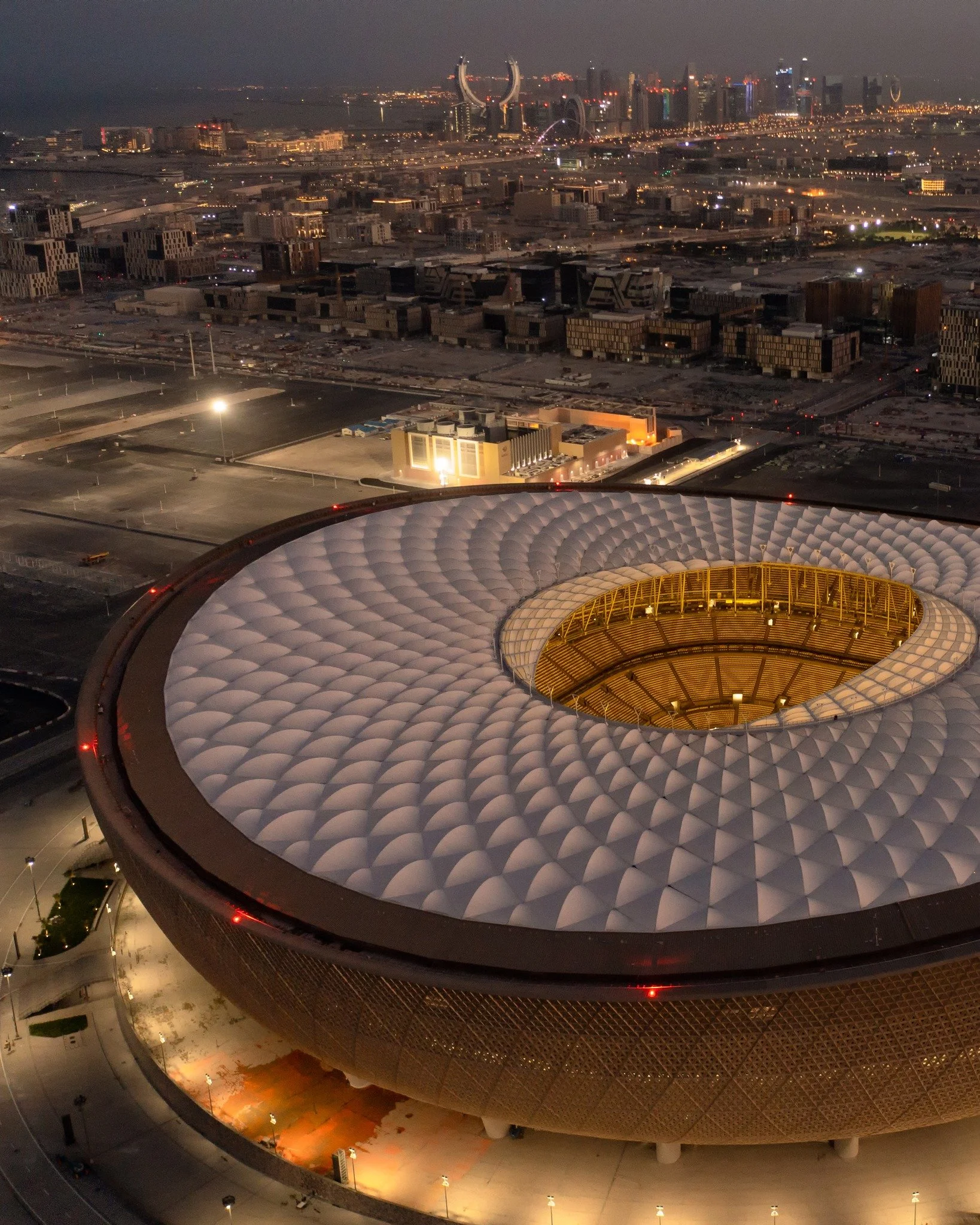
The Lusail Stadium in Qatar which hosted the 2022 FIFA World Cup final, in which Argentina overcame France 4-2 on penalties after a 3-3 draw (courtesy of the FIFA Museum)