“I come from a land where the seasons leave marks on my body.”
WORDS BY Alya Hazeem
I come from a land where the seasons leave marks on my body. Where snow covers wheat fields in winter, so the tiny grains could hide underneath all winter long, some of the rarest wild herbs and flowers are reborn again in spring along a dreamy valley called the valley of hell, and where summer’s ripeness teaches both abundance and extreme exhaustion. Before I understood the rhythm of my own body, I understood the rhythm of this earth that contains us all. It took me years to realize both rhythms were never separate.
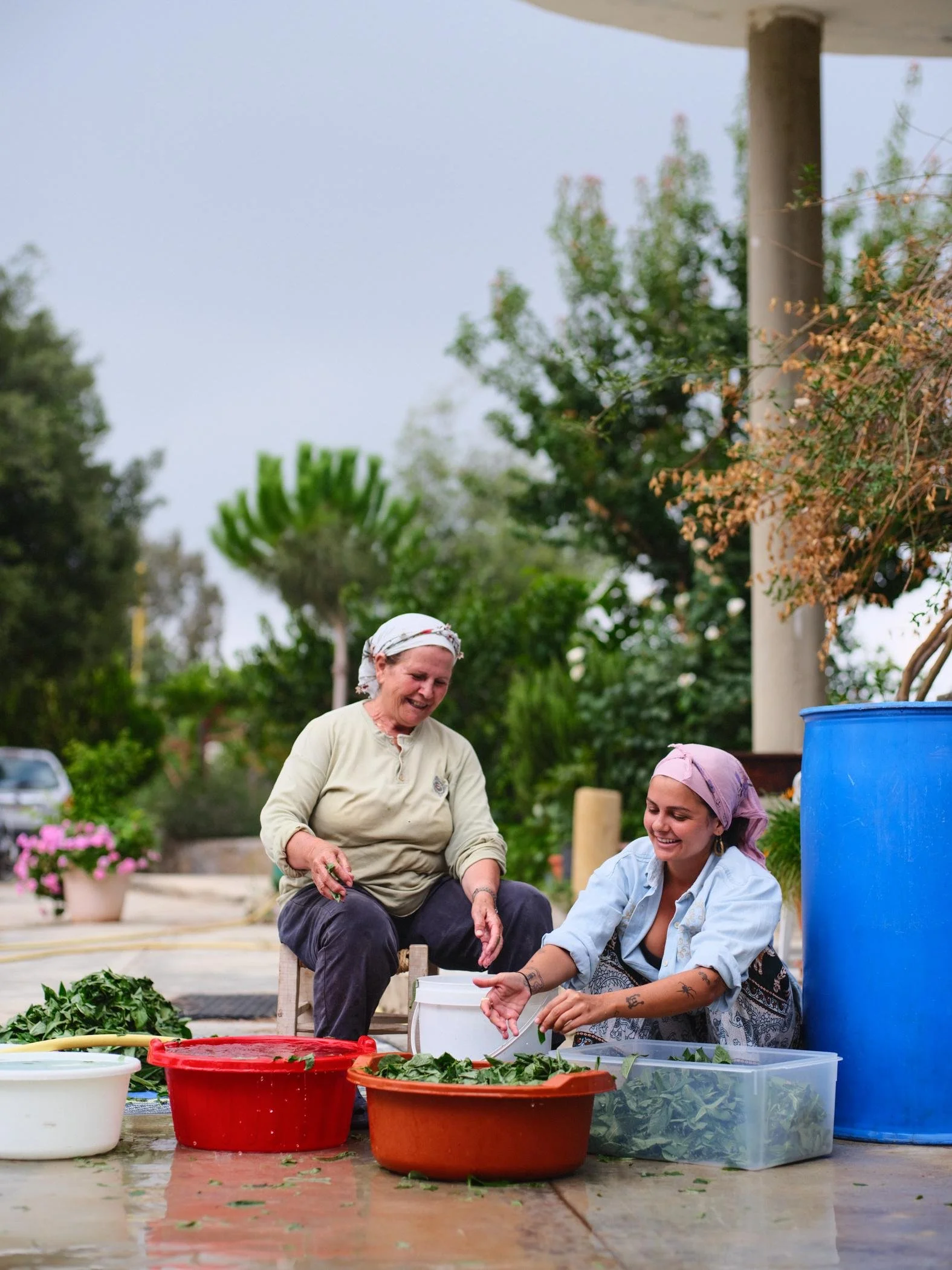
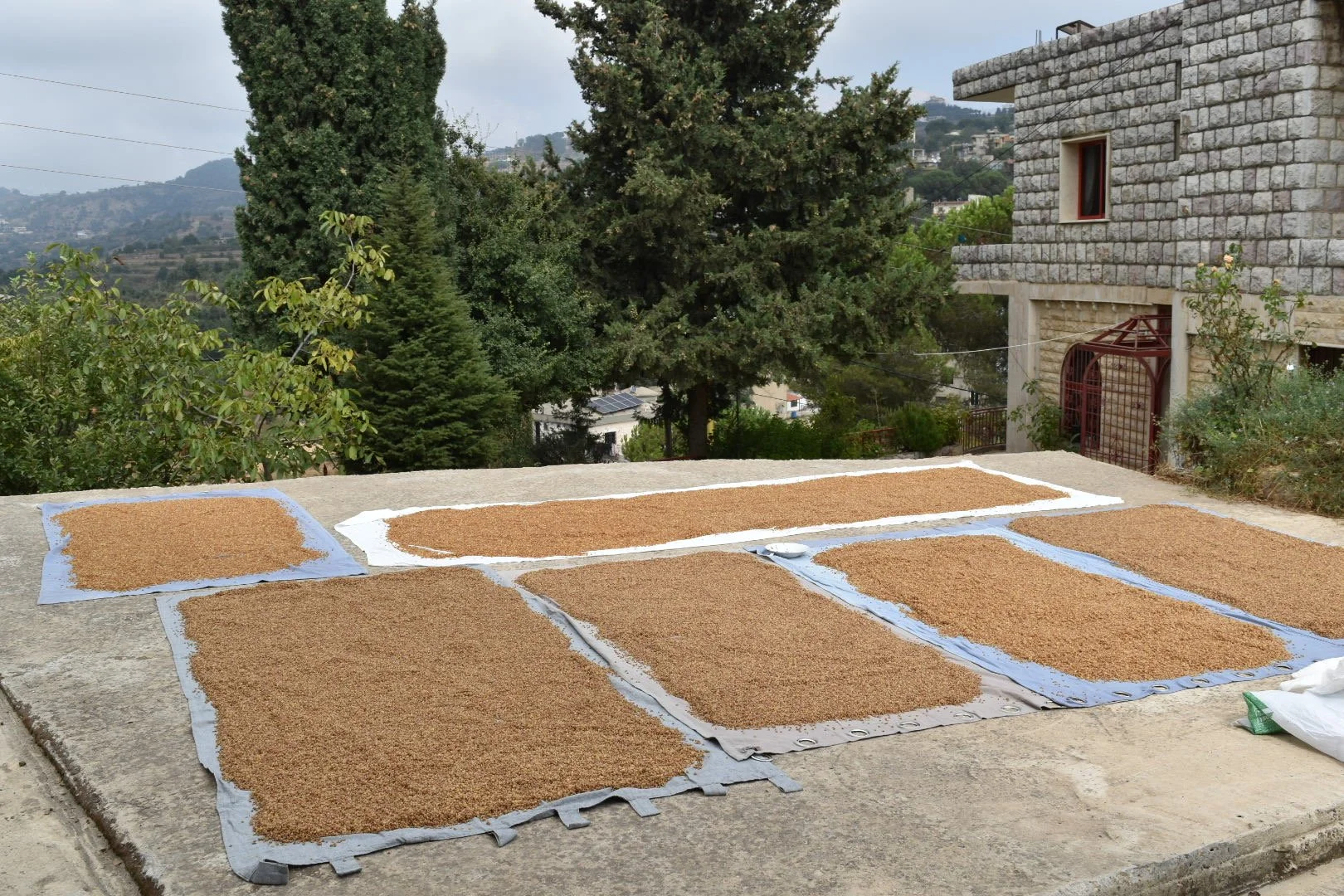
As a child, I learned the seasonality of our wheat, our fruits, and our vegetables. I learned that when we plant seeds, we must wait a long time before we witness any visible growth. The wheat we planted in November on the highest mountains of Akkar hides all winter beneath the snow while everything slows, pauses, and appears to die. No matter what I did, I couldn’t escape the feeling that when flowers bloom with intention, spring lasts longer, and that summer does not burn as fiercely when we and the earth are allowed to rest.
Back then, rest was not laziness. Death was not failure. They were part of an innate cycle that made life possible. There is wisdom in the earth’s permission to die and rejuvenate. Wisdom in moving slowly into summer's fire, when everything thrives, and we cultivate what we once sowed in trust. We did not control the process. We believed in unseen earthly forces, those responsible for slow, steady, trustworthy growth. The womb mirrors this logic. It is a place of birth and death, just like the soil that the earth births from and returns bodies to—mud, blood, decay, nourishment — nothing separate, nothing wasted.
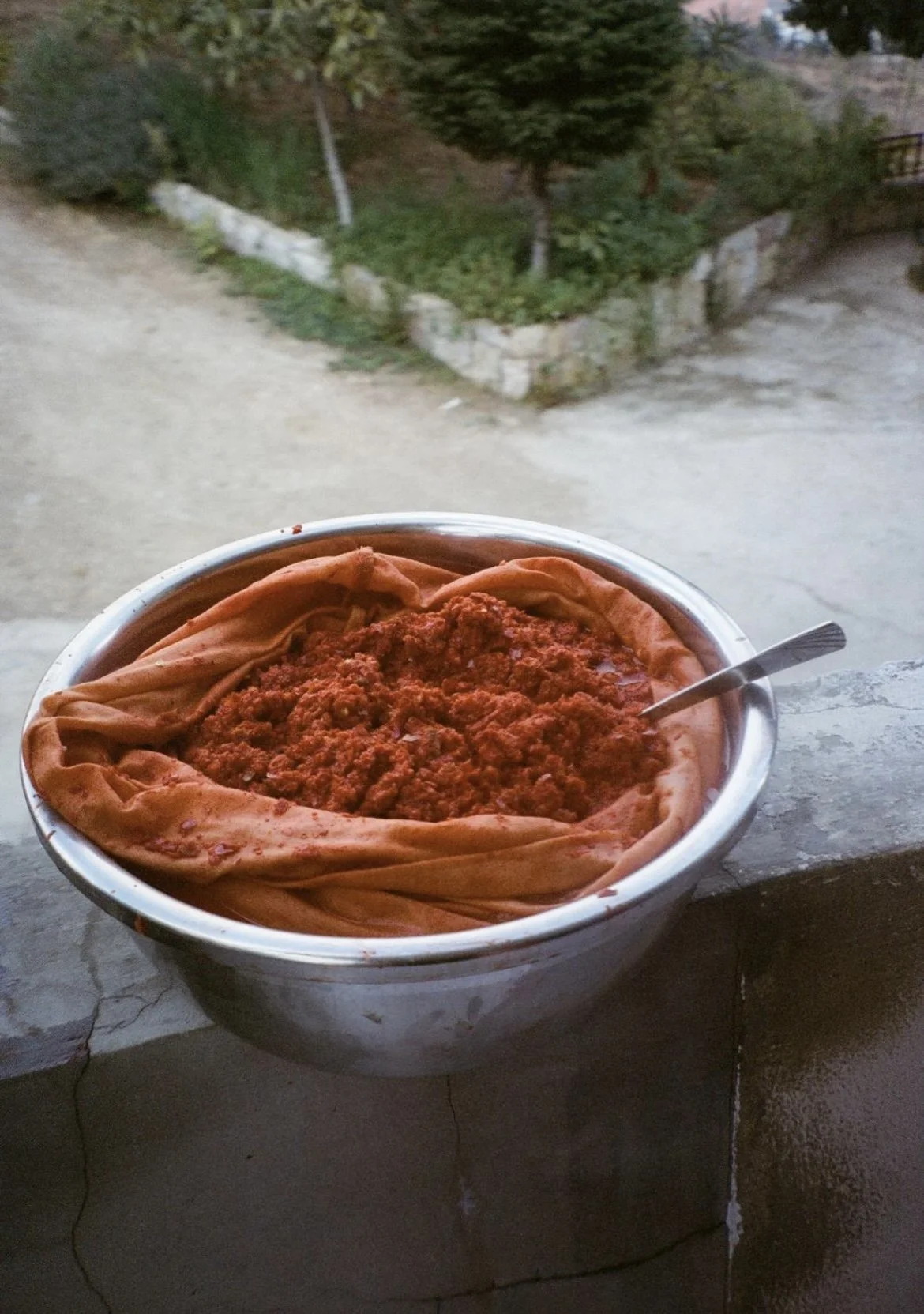
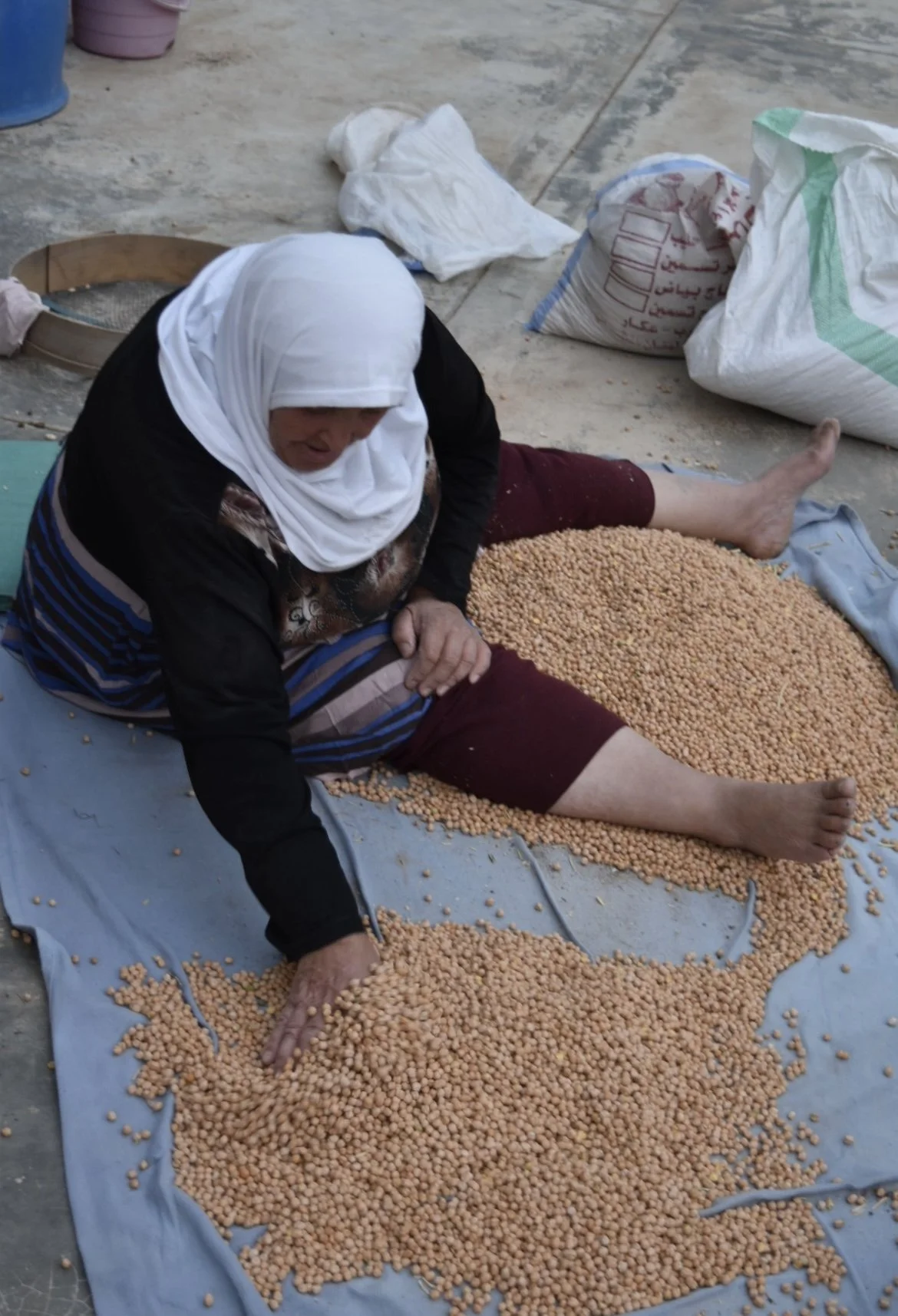
Winter teaches us that life continues underground. Roots strengthen while nothing appears to happen. Trees shed their leaves, sacrificing beauty and pride, not as loss, but as devotion to survival. They invest inward so they can bloom again, more honestly, more fully. The darkness of winter makes the spring sun feel generous. The cold allows spring to arrive with tenderness, wild grasses, edible herbs, and flowers we gather and dry for winter teas.
Summer ripens fruit not despite winter, but because of it. Because the cold froze what was weak, and because nature herself shed what could not continue in health. This is the knowledge I carry from the land. From the women before me who planted, watered, harvested, rested, and returned to the soil. Women whose hands knew when to act and when to wait. Who trusted cycles more than force?
As I grew older, I also grew distant from this knowing. Like most teenagers, I disconnected from my body; however, later, in my early twenties, I was lucky enough to return, to explore my menstrual cycle deeply and feel its rhythm mirrored in the land I come from. The women I descend from survived famine, wars, harsh winters, and brutal summers. Survival demanded their attention outward. There was little space to look inward, to witness cycles, to tend gently to the body. In survival mode, the body cannot listen.
So my mother's generation grew distant from natural birth, from herbal remedies, from cyclical rest, from the healing ease of nature, and so did the generations after. Still, the seasons continued. Waiting to be remembered.
Today, we live surrounded by cement and screens. We expect ourselves to perform at the same pace year-round. We judge our bodies for slowing down and not looking a certain way. We demand productivity even in winter.
This disconnection is reflected clearly in how we relate to food. When everything is available all the time — tomatoes in winter, strawberries year-round — we lose the truth that comes with knowing our land and our bodies. If there is no waiting, no absence, no anticipation, how do we remember what is ripe? How do we feel hunger, or gratitude, or restraint?
Here lies a responsibility. Every individual, every restaurant, every shop owner who works with food has a responsibility to honor seasonality, not as a trend, but as an ethical practice. When food ignores seasons, bodies follow. When abundance is forced, cycles collapse. When everything is always available, nothing feels sacred.
This isn’t about restriction. It’s about remembrance.
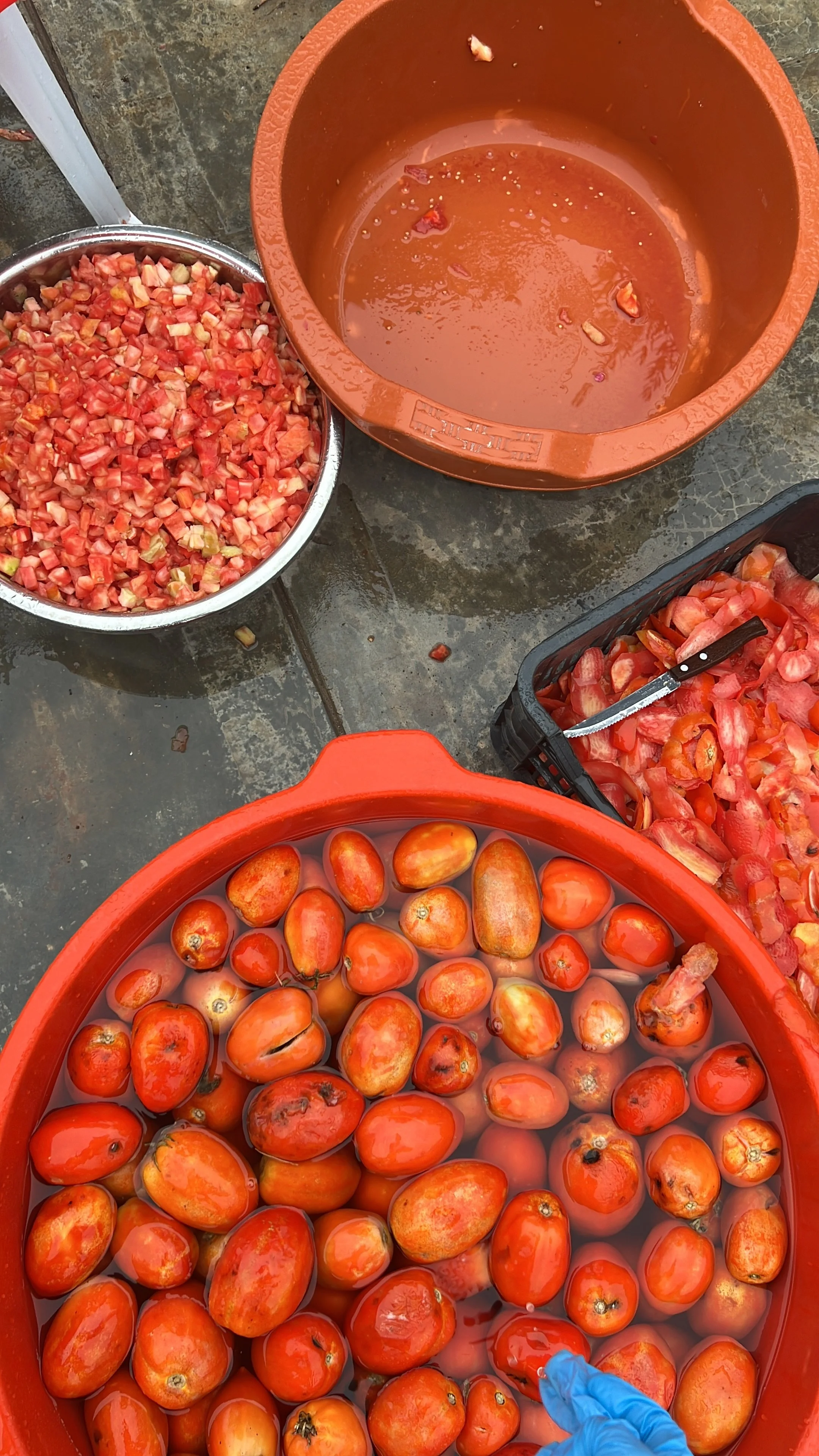
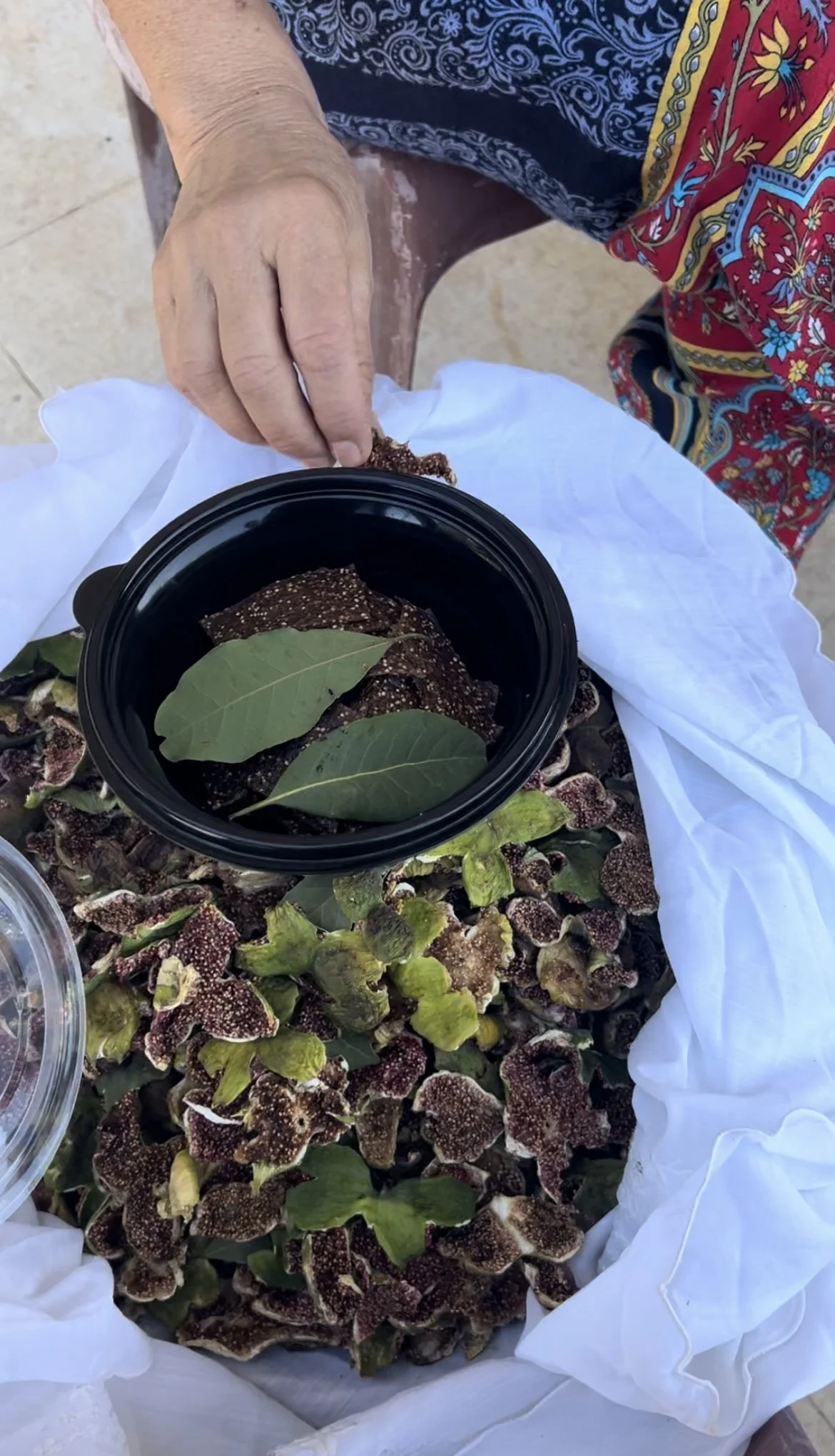
My womb became a map of ancestral knowledge, a thread connecting me to the women who raised me and the wisdom embedded in their bodies. At the same time, I felt the tension of a world that suppresses cyclical living, that pushes against slowness, that rewards constant output. Nature and women’s bodies are inseparable. The womb carries the force of creation, not only birth, but remembrance, death, and renewal. It holds beginnings and endings simultaneously. It teaches us how to let go and start again.
Through understanding my inner seasons, I reclaimed not only my body but also instinctual ways of being that have guided women for generations. So here is a simple inner map, one we already carry, where each season lasts at least seven days, and its transition lands in the body, physically, emotionally, mentally and spiritually:
Winter (Menstruation):
A time to cocoon. To rest. To shed. To cry. To bury what has ended. There is little energy to create, and that is correct. Like the earth, we need rain, darkness, and decomposition.
Spring (Follicular)
Life continues regardless of what ended. Tender beginnings emerge. Curiosity returns. We plant intentions gently, without demanding results.
Summer (Ovulation)
Energy ripens. Focus sharpens. What we planted comes into form. We share, express, and act with clarity and confidence.
Fall (Luteal)
Alchemy and release. We harvest, reflect, and let go. Leaves fall. Energy drops. We prepare for rest again.
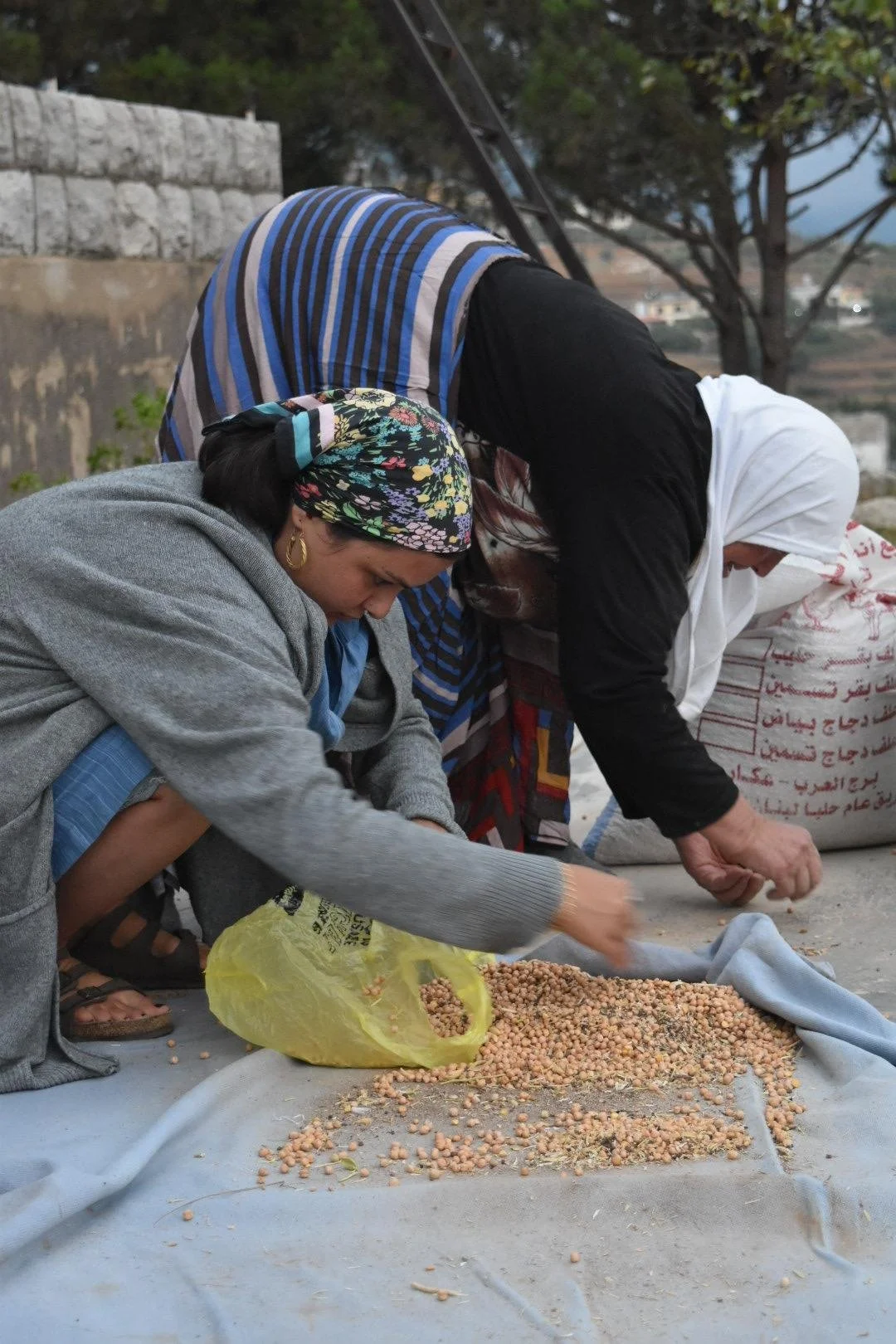
This is not a weakness. This is intelligence.
I am not saying the answer is to abandon cities or the modern way of living. Survival created this world, and it deserves compassion. But balance exists, even if we’ve forgotten where to look. Every woman carries the seasons differently. Nature itself is diverse. Reconnection is personal. It begins with awareness.
Here in Lebanon, where mountains and coast still feel the passing of winter, spring, summer, and fall, we can return. We can eat it seasonally. We can slow down when the body asks. We can allow menstruation to be a pause, not a shame. And those who grow, sell and cook food, need to remember that food is memory. It teaches the body when to wake and when to rest. Through the help of seasonal food, we can return to the seasonality of the body, and to learn from the earth, we must spend time with her. She was our ancestors’ teacher through observation. She still is. Nothing is wasted. Rest is not absence. Death is not failure. Everything prepares the way. We just have to welcome it with a hug.
About the Author:
Alya Hazeem is a culinary creative and researcher exploring mouneh, food systems, and agriculture through storytelling and cultural memory. Her work focuses on the relationship between land, food, community, women, and inherited traditions of cultivation and preservation. Through her practice, she reflects on how ancestral knowledge and seasonal rituals continue to shape identity, care, and collective resilience.