Beyond the Rupture: Finding Continuity in the I’m Migrant Film Festival
Words by Tamara Alfarisi
The I’m Migrant Film Festival emerged from the understanding that migration is not some kind of a departure, crossing or rupture, but a condition that unfolds over time reshaping everything from memory to language and identity long after borders have been crossed. In fact, the project did not begin as a festival at all, but as a personal documentary project curated by Yamam Nabeel to trace the lives of Iraqi artists who had been living in Europe since the 1960s and 70s – a generation shaped by exile, yet deeply responsible for preserving and transforming Iraqi cultural heritage beyond its geography.
“In creating that project, I wanted to preserve the heritage of the wider region,” curator Yamam Nabeel reflects, “as well as the parallel Iraq created in exile by some of the generation’s greatest artists.” His use of the phrase “a parallel Iraq” gestures toward something often overlooked in mainstream narratives of displacement, which is that culture does not simply disappear when people leave a place. On the contrary: it adapts, recomposes itself, and continues sometimes more deliberately in exile.
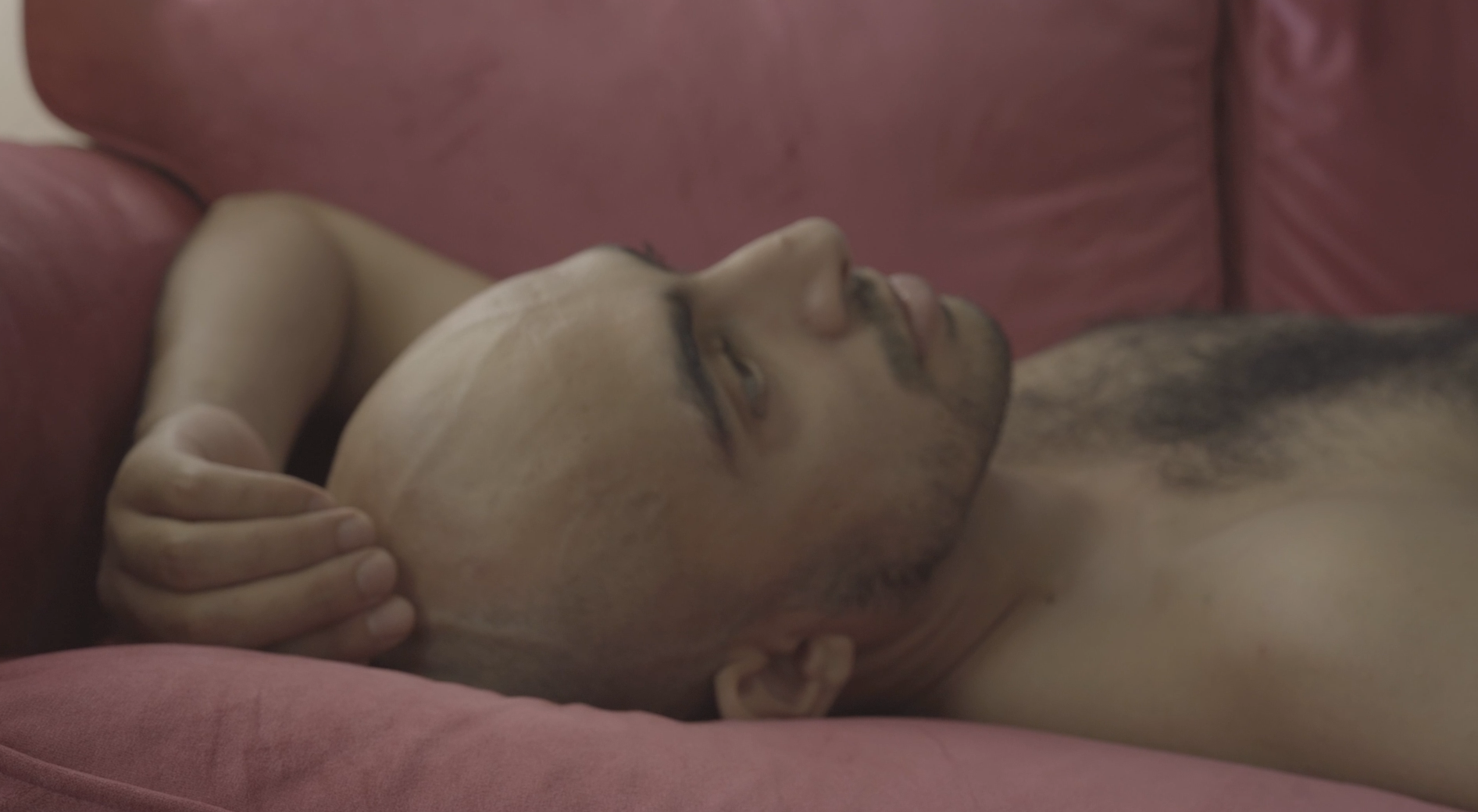
“Queer Exile” Still
Across the films that make up I’m Migrant, exile is not treated as a clean break between “before” and “after,” nor as a condition defined only by loss. Instead, it appears as a site of cultural continuity shaped by memory, responsibility, and creative survival. Painters, poets, filmmakers, calligraphers, and dancers across generations are emphasized as active carriers of culture rather than relics of a past left behind, and their work speaks to a long lineage of SWANA artistic production that exists both within and beyond national borders.
The festival brings together stories from Sudan to Lebanon, Iraq to Morocco, Palestine to the diaspora – not to flatten differences, but to insist on specificity and carry in each context unique histories, fractures, and forms of expression. What unites these stoies is not geography, but a shared refusal to be reduced to singular narratives of crisis or displacement. “It is important to platform the contribution of the region, not only to our own heritage, but to the culture and heritage of Europe.” Yamam says this not as claim for inclusion, but a reminder of the fact that European cultural life has long been shaped by migrant and exiled communities, even when those contributions are rendered invisible.
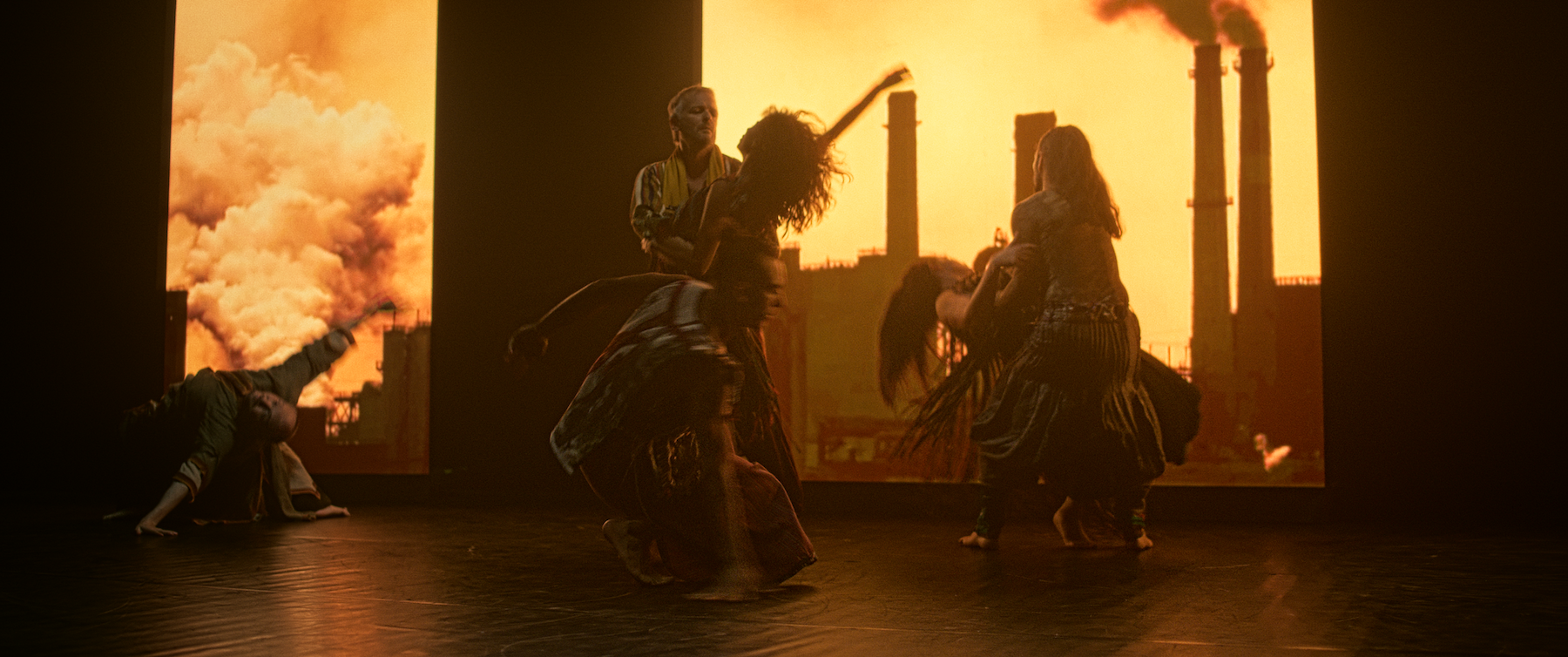
Backstage image
Many of the films in I’m Migrant function as fragments of a living archive that attends to intimacy in portraying family relationships, private lives, desires, and grief, alongside structural violence whether it be war, colonial borders, labor migration, or racialized policy. Queer lives are framed as historically embedded identities disrupted by colonial impositions of rigid binaries; and working-class migration in Europe is traced through family photographs, archives, and everyday experience rather than statistics, revealing how the figure of the worker became racialized as “foreign”.
Other filmmakers grapple with the long afterlives of catastrophe — the Nakba, civil war, genocide, state violence — yet even here, the emphasis is not on spectacle or explanation. These films trust their audiences to sit with unresolved complex questions rather than offering neat conclusions.
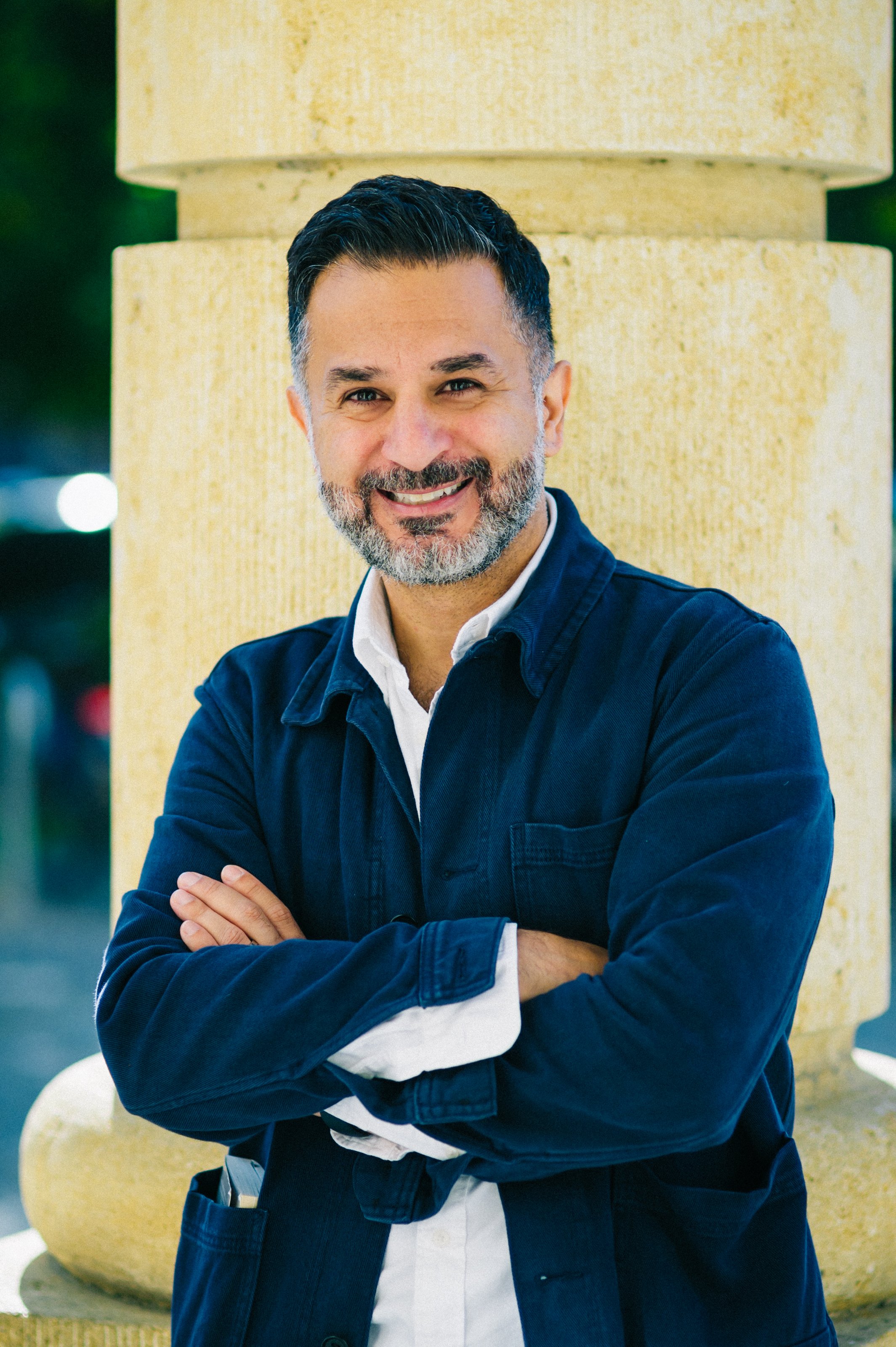
Director Yamam Nabeel, photographed by Marko Novkov
The urgency of I’m Migrant cannot be separated from its political context. As Europe moves increasingly toward nativism and an anti-immigrant rhetoric, the pressure to simplify stories of migration to make them palatable, instructive, and instrumental intensifies. Yamam is explicit about resisting this drift saying that “it has become increasingly urgent to establish the origins of our heritage and culture, and to platform voices that represent our long lineage from the SWANA region.” The festival does not seek to argue for the humanity of migrants — something that should be assumed — nor does it attempt to correct mainstream narratives on their own terms. Instead, it steps outside them entirely, centering voices that speak to one another as much as they speak outward. This is reflected in the curatorial choice which does not foreground a single film or auteur, but allows patterns to emerge across conversations, geographies, and generations, producing meaning in the space between stories.
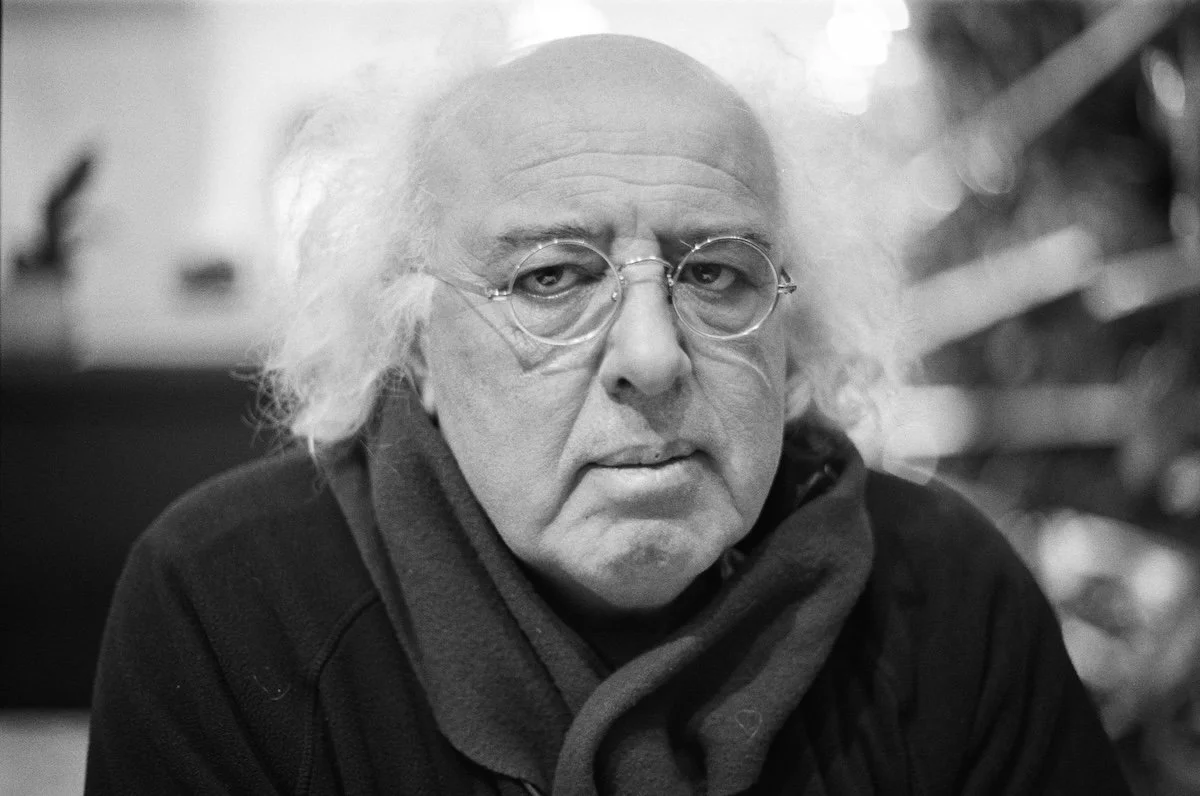
Koutaiba Al Janabi, photographed by Yamam Nabeel
The question of who such a festival is for usually invites a divide: is it the migrant looking for a mirror, or the host looking for a window? I’m Migrant refuses this binary and offers for those with lived experience of migration something more rigorous than mere recognition. It acknowledges that carrying a culture is not a passive act, but a form of deliberate labor. It validates the reality of living in a world that exists in the gaps of the host society, where SWANA heritage is not a relic of the past, but a functioning, evolving presence that proves that an inheritance can be interrupted by borders without being erased by them. For the audience standing on "stable" ground, the films do not ask for empathy—a term that often implies a distance between the one who suffers and the one who watches. They demand proximity and reveal that the "elsewhere" is already here in the fabric of European life which has been shaped by the presence of these communities for decades. The festival suggests that home is not a fixed coordinate one is born into, but a practice that the migrant has simply been forced to master. Ultimately, Yamam’s curatorial vision was to bridge the gap between the monumental and the mundane so that the takeaway isn't that we are all the same, but that the boundaries we use to separate our cultures from theirs are far more porous than we are led to believe.
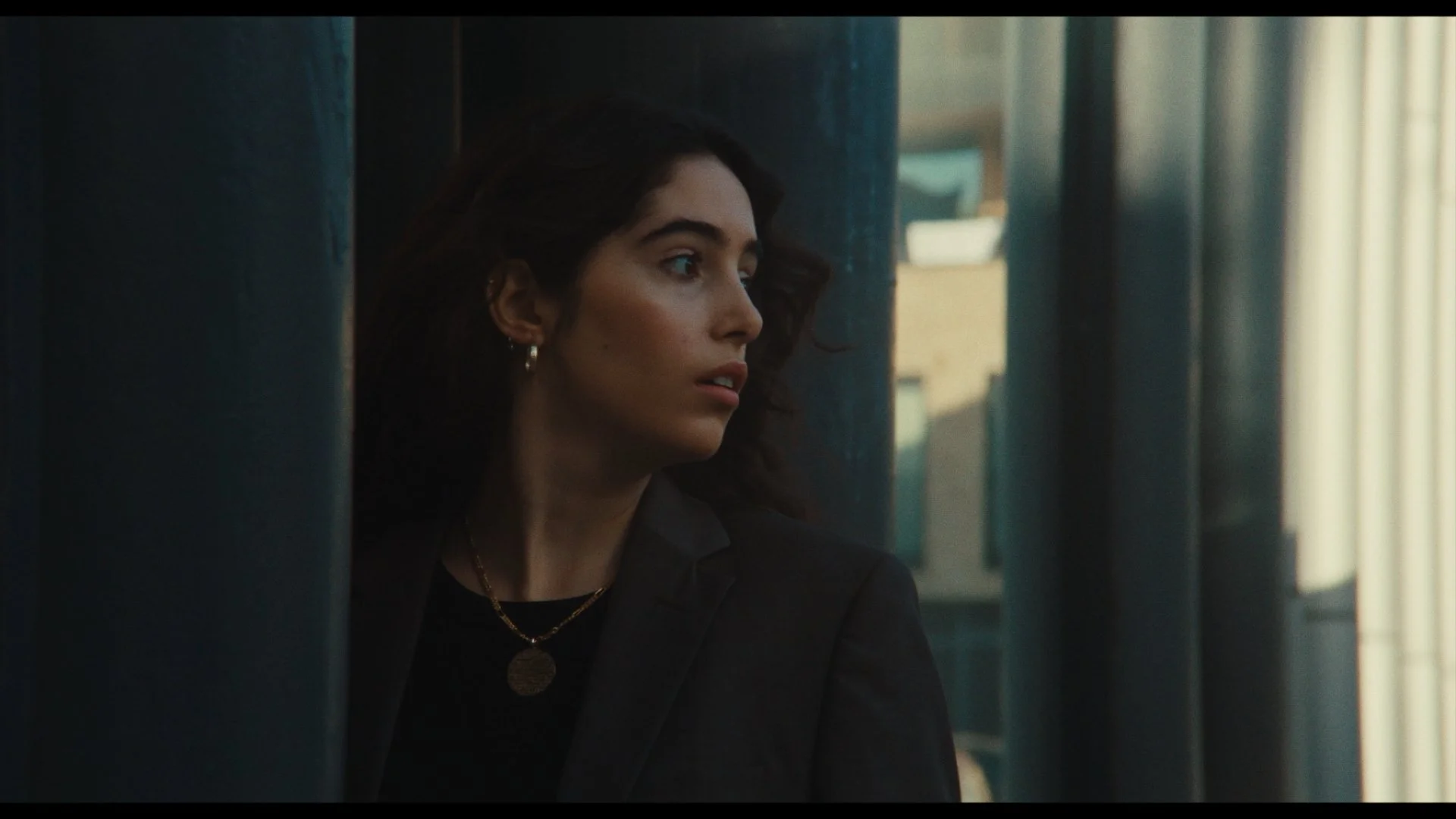
“Neo Nahda” Stills
I’m Migrant does not trade in the nostalgia of return; it is a testament to what endures, and a study of the languages we partially lose and the new dialects we forge in the gaps. It is acting on a responsibility of carrying a history that does not always fit into a suitcase by centering these narratives and transforming the screen into a sovereign territory where the displaced are no longer guests, but architects. Perhaps the festival’s most quiet, yet piercing provocation is this that home is not a place you leave or a place you reach, but what you build while you are walking.
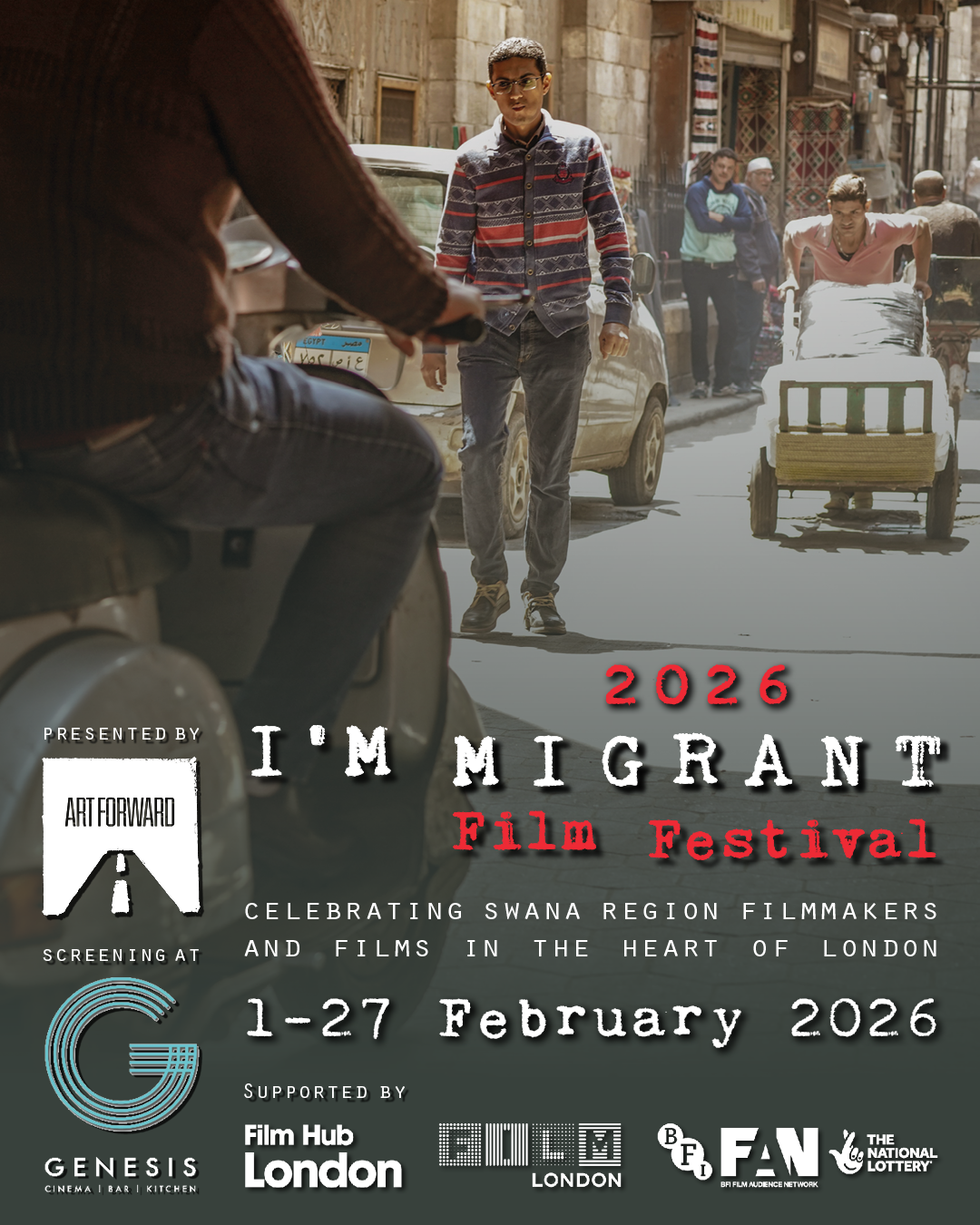
I’m Migrant Film Festival takes place February 1-27 in London. Check out the full program on imff.co.uk