Where Bahrain’s Sacred Springs Once Flowed
Words by Hawra Ali
Bahrain has long been a place of contrasts. Low-lying islands rise from a warm, shallow sea, under a bright sun where each summer arrives with its familiar weight of heat and humidity. Yet beneath this surface harshness lies an older and more generous truth.
In the north, freshwater rises from the vast regional aquifer system beneath the Arabian Peninsula, winding its way through layers of ancient rock and fossil aquifers before reaching the islands. It once emerged as abundant springs, both on land and beneath the seabed, known locally as kawkab or chawchab. People described this freshwater as a “second sea”, a sweet one that defied the salt and transformed the archipelago into an unlikely oasis, allowing communities to settle and thrive since antiquity. This delicate balance sustained pearl fisheries and offered hidden pockets of freshwater to divers and seafarers, ultimately inspiring the nation's name: al-Bahrayn, Arabic for “The Two Seas”.
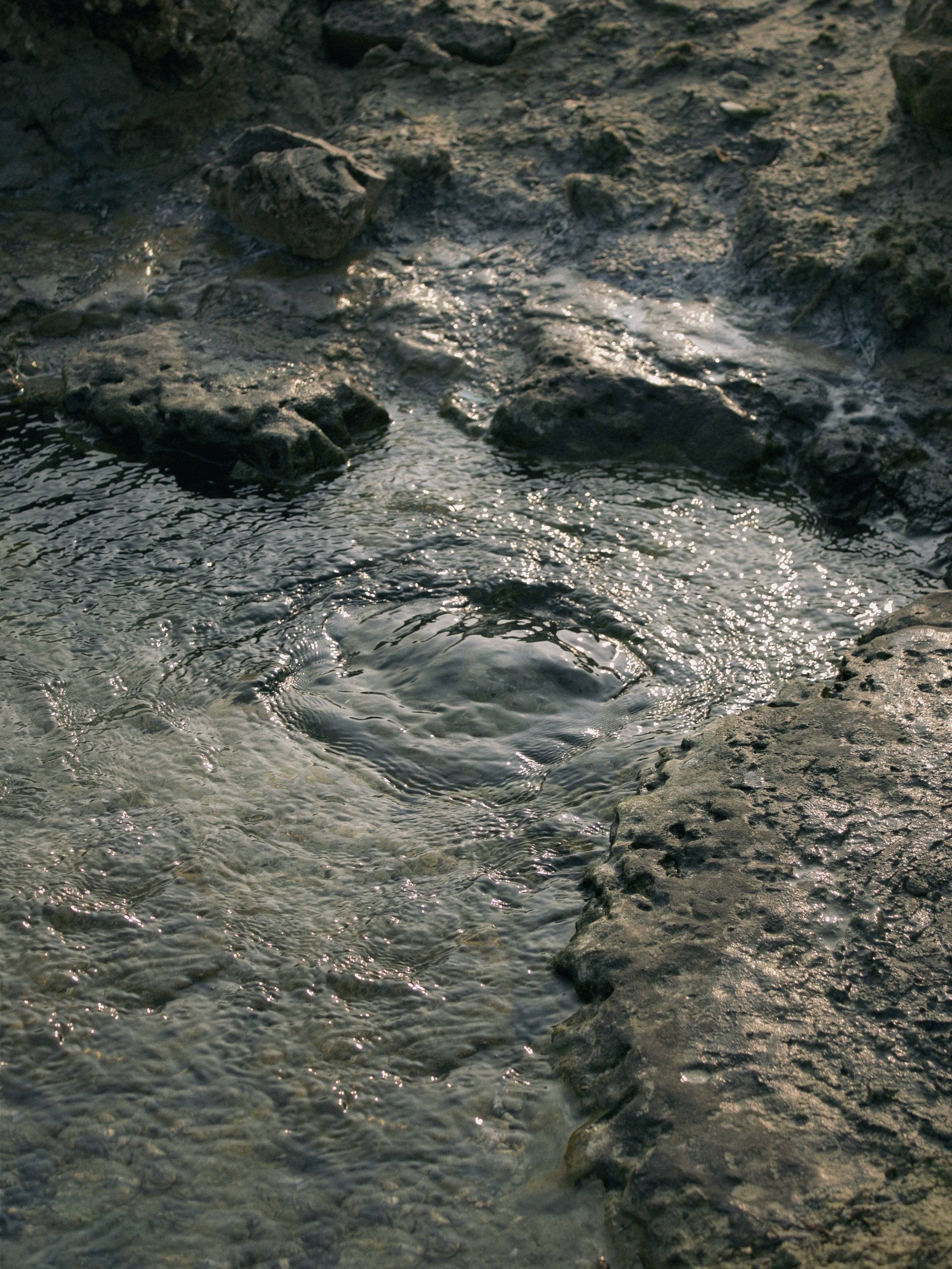
The island’s freshwater promise first drew Neolithic communities 6,000 years ago, seeding a continuity of life that would, over millennia, bloom into the Dilmun civilization, with Bahrain at its center. Mesopotamian texts praised it as a bright, life-giving place, an earthly paradise and a threshold to immortality, blessed by Enki, the god of wisdom and freshwater. For Bahrain’s earliest inhabitants, the natural springs were far more than a source of sustenance; they were spaces of reverence. Around 5,000 years ago, some were cradled within temples and sunken chambers, as seen at the Barbar Temple and Ain Umm al-Sujur, bringing the freshwater into the heart of their rituals and beliefs. Later, artesian wells and extensive traditional canal systems extended this gift, feeding palm groves and draping greenery across an otherwise arid landscape.
Long before the advent of modern urban planning, mosques, public baths, and shaded rest areas evolved around some of the larger springs, making them centers of village life. Reliance on these sources formed customs and codes that regulated how water was measured, timed, and shared. It was not simply something to be taken from the ground, but something that had to be attended to. Channels were laid with care and maintained collectively. The system demanded attentiveness—to seasons, flow, neighbors, and land itself. In that sense, water was not a commodity but a relationship, one that required discipline as much as it offered abundance.
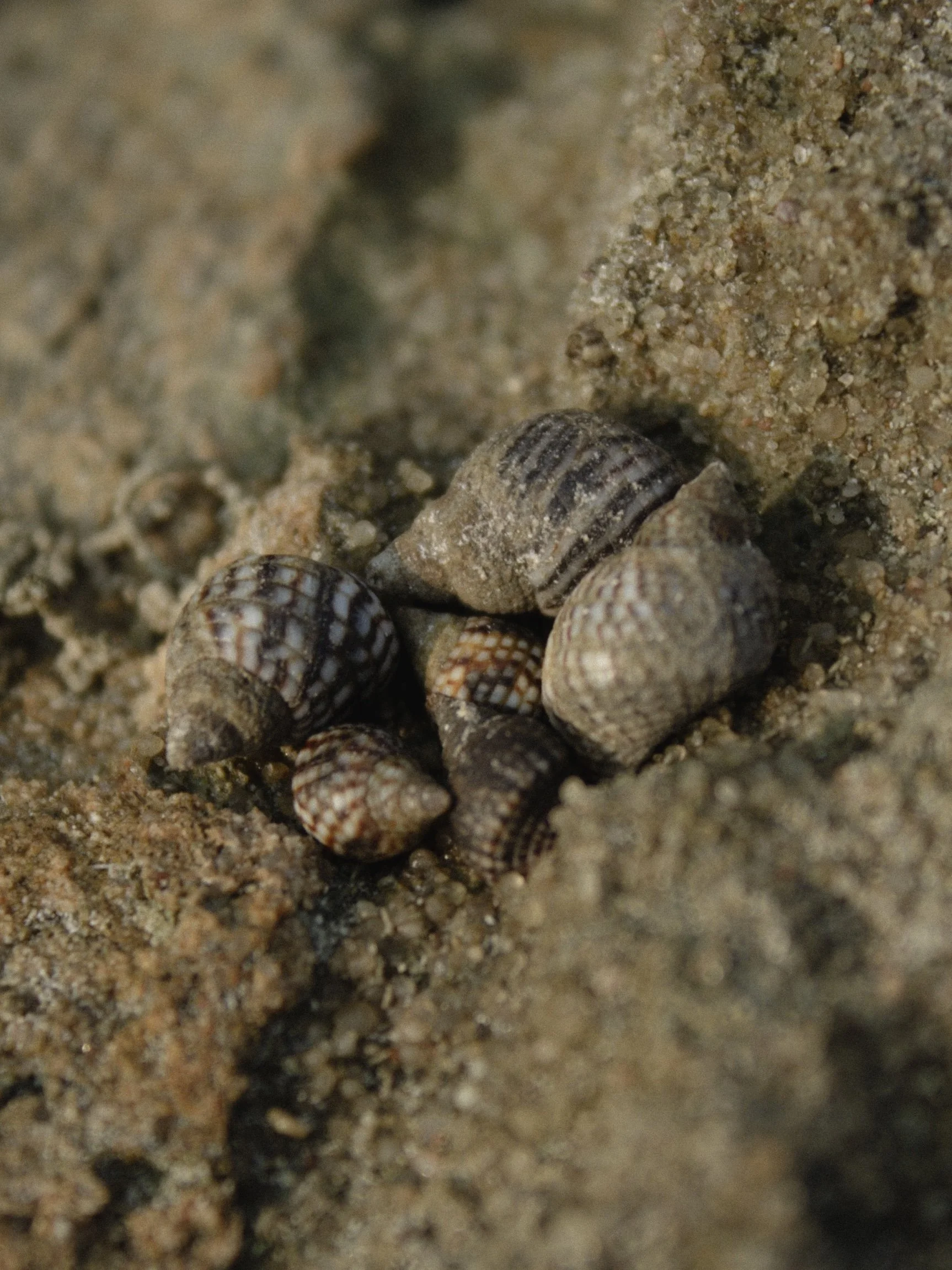
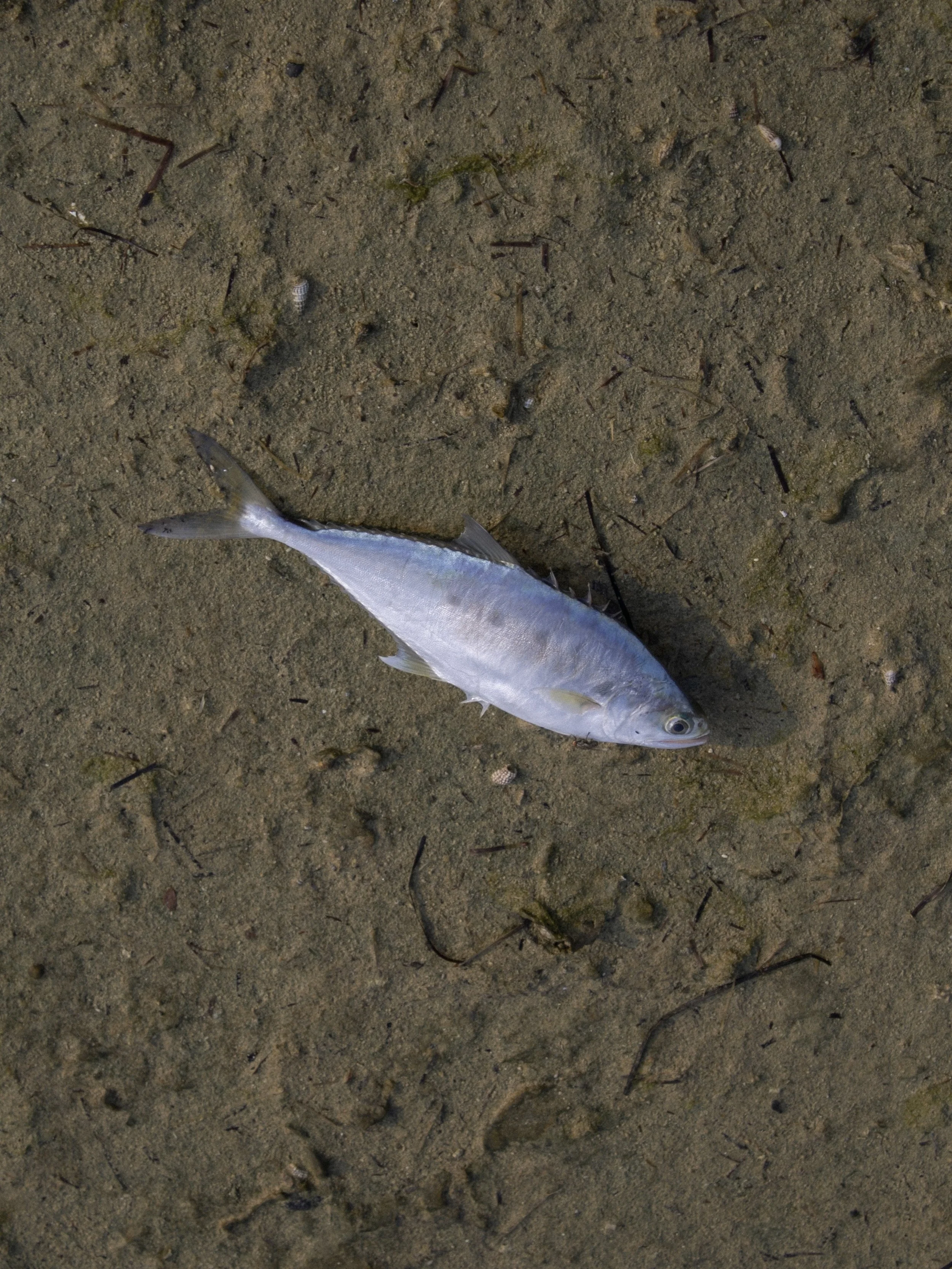
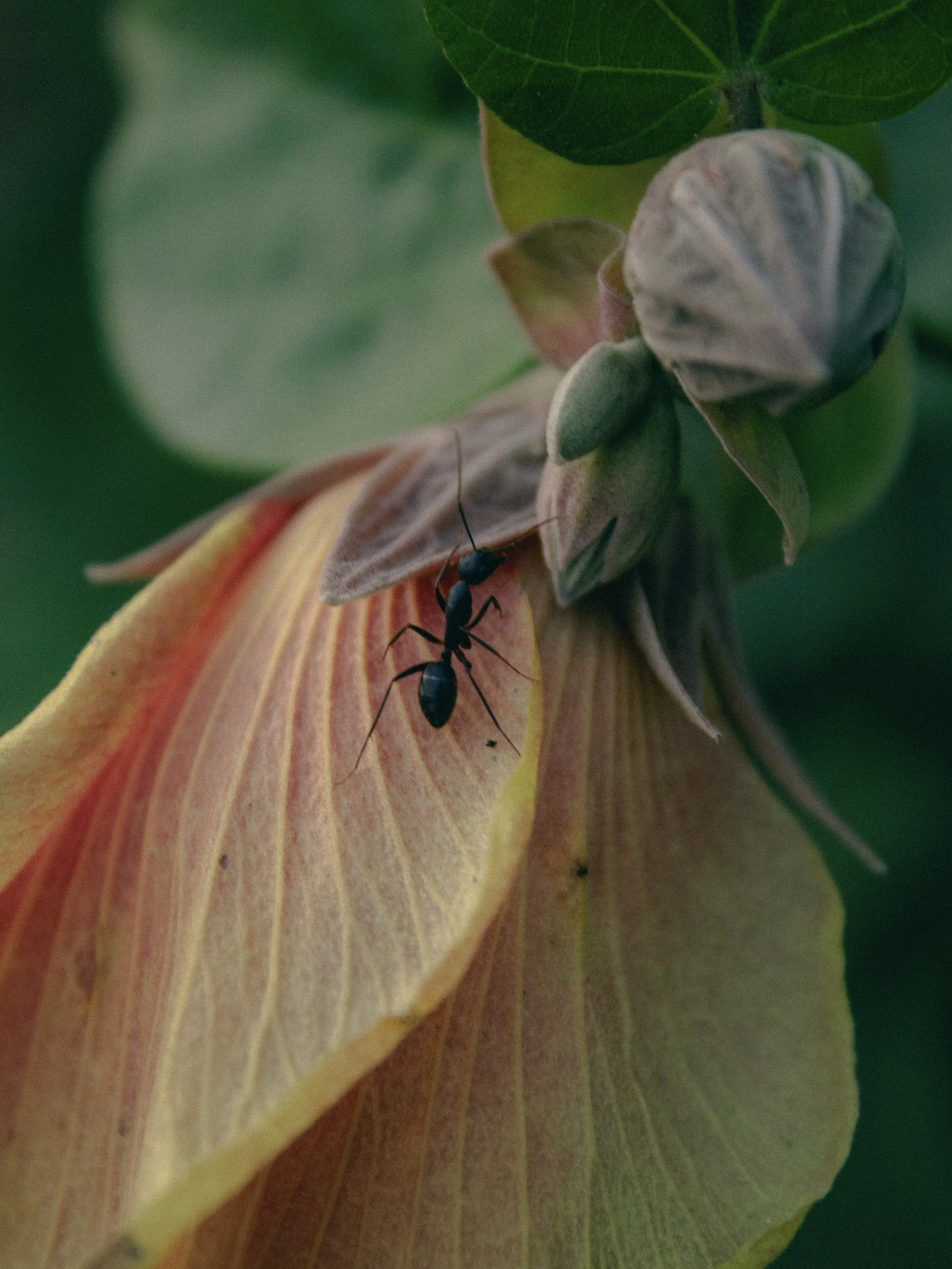
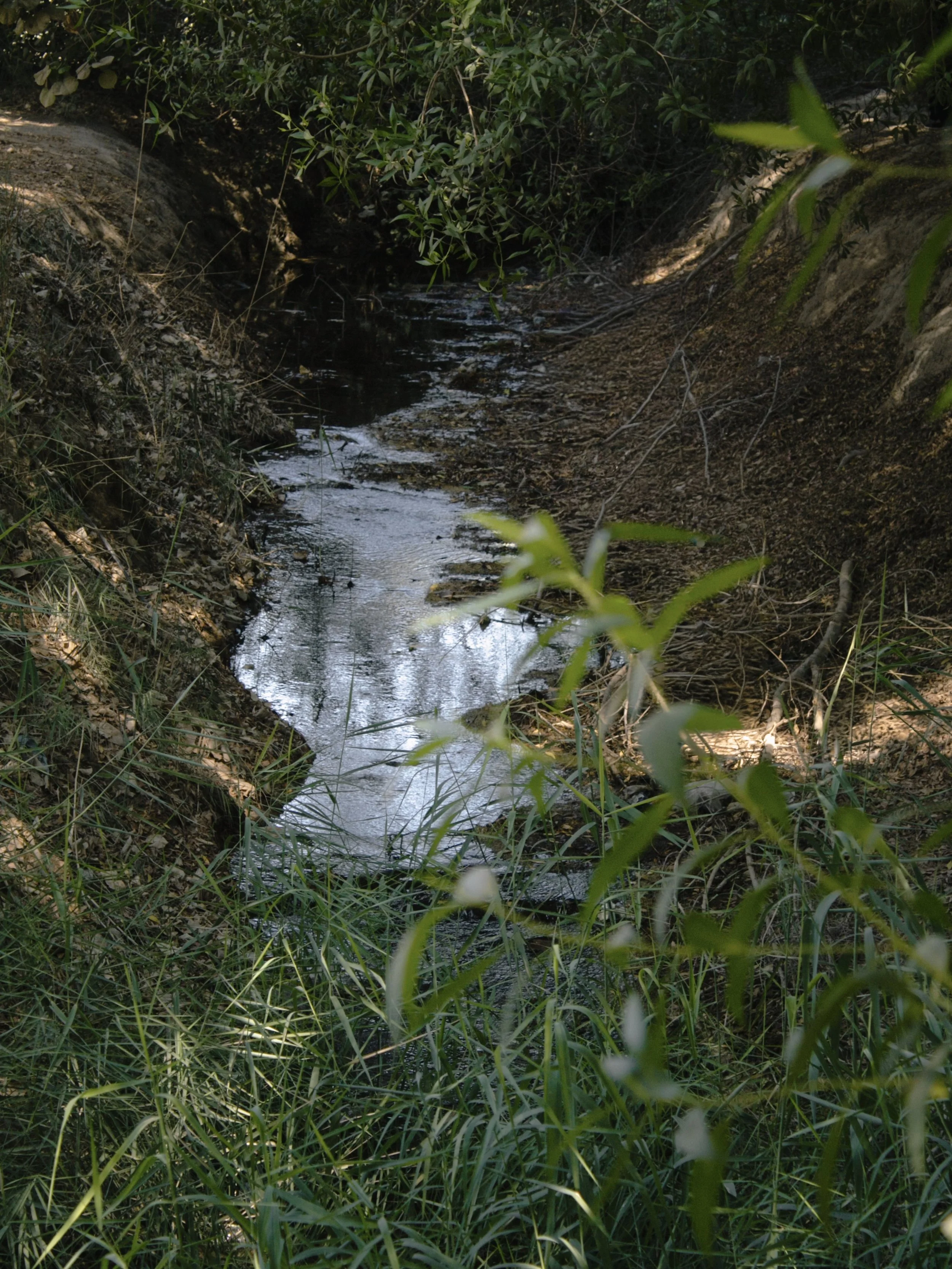
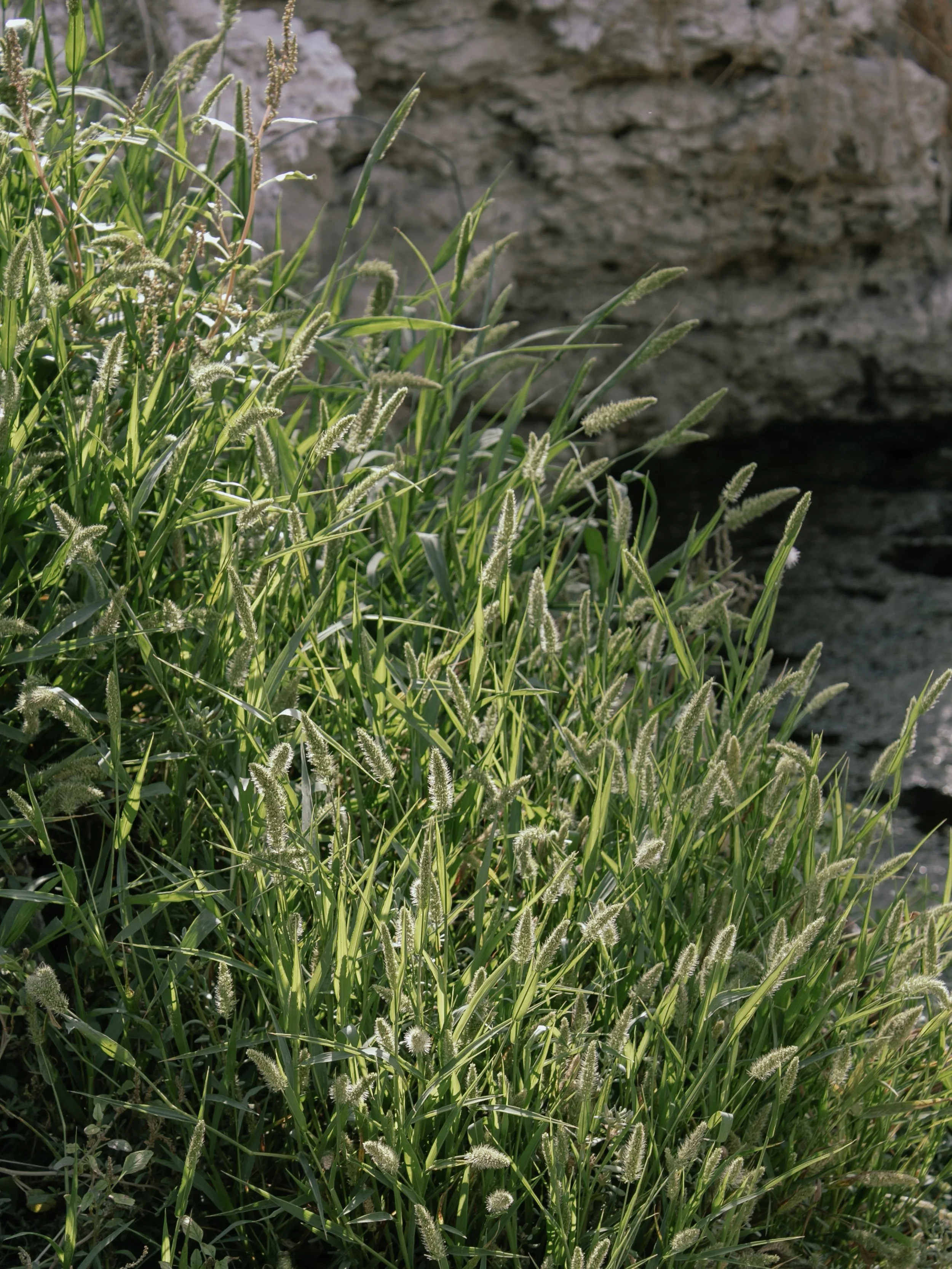
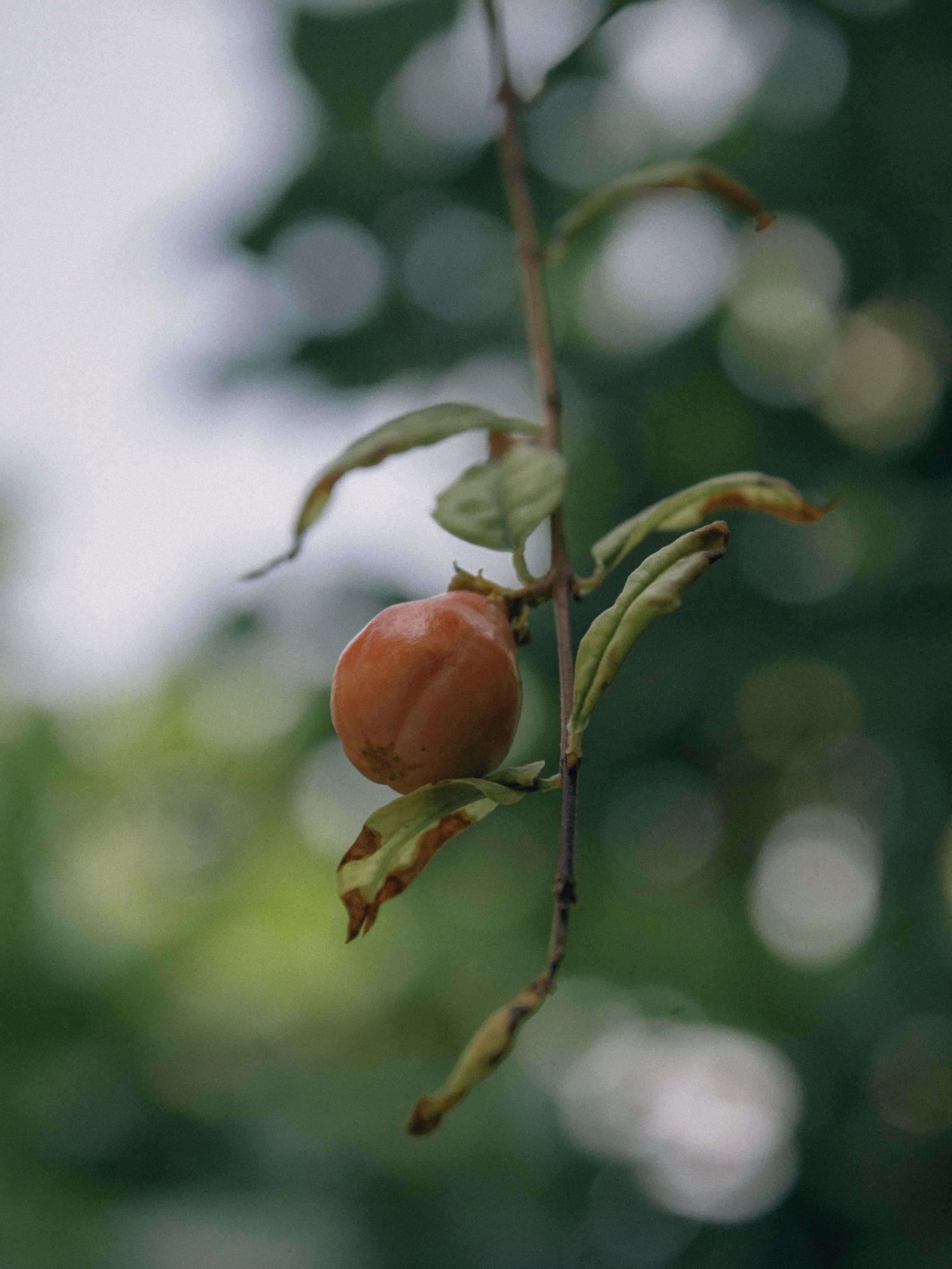
Yet this abundance carried its own fragility. The springs drew from reserves that could not easily be replenished. Over centuries, their flow began to thin, a decline that accelerated sharply in the mid-twentieth century with the introduction of mechanical deep wells, undermining the communal systems that had grown around them. Modern urbanization and intensive land reclamation further reshaped the island, while relentless extraction drew down what time had preserved.
Today, most of Bahrain’s natural springs have ceased to flow. Some lie exposed and dry, others have been completely erased by development, while the few that remain are increasingly vulnerable to the intrusion of saltwater. This shift has also taken a toll on the old water networks, including the miles-long qanats, many of which have been destroyed or buried beneath the modern urban grid.
As groundwater quality fell and soil salinity rose, cultivated land was abandoned to the desert. Wetlands dried, habitats for wildlife were degraded, and native species and migratory bird populations faced sharp declines. Treated wastewater and desalinated water have since become essential lifelines, though these engineered flows carry their own silent weight on sensitive coastal and marine ecosystems. With that transition, water became a highly managed, industrialized utility. What has become less visible, however, is its historical significance and the wider eco-cultural relationship that formed around it.
For thousands of years, Bahrain’s agrarian landscape was defined by date palms and seasonal crops, fed by countless freshwater springs that created some of the richest terrestrial habitats on the island. Beyond sustaining crops, these springs and channels were woven into the fabric of Bahraini communities, shaping daily rhythms and providing the bedrock of their resources and traditions.
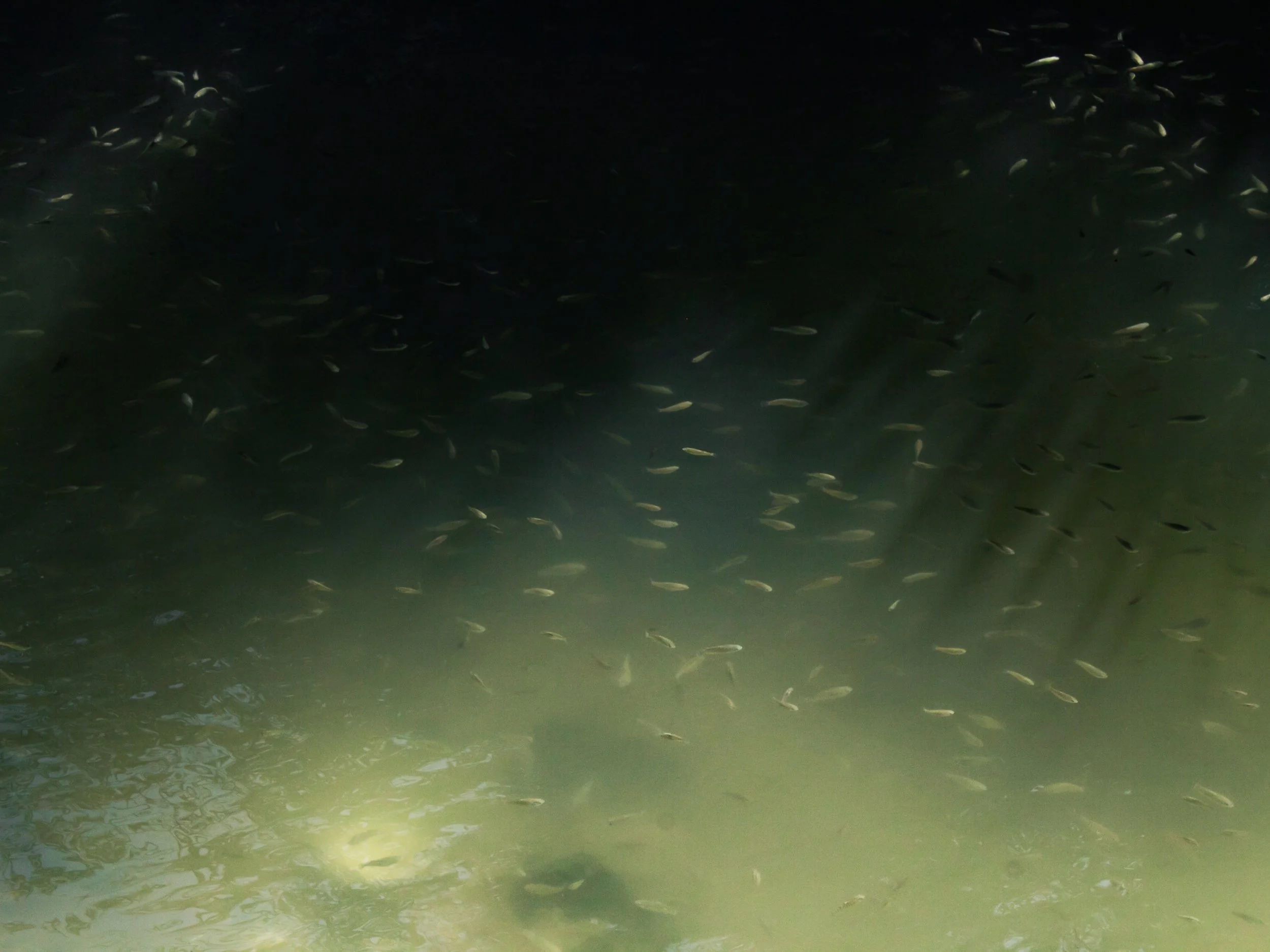
Near her village, my mother remembers a spring where clear water once pooled, teeming with fish—an unmediated public space where children swam, and daily life unfolded along its edges. Today, that fluid way of life survives mostly in such memory, passed down through words and storytelling. The few remaining terrestrial springs have become isolated, enduring less as living sources than as physical records of a former vitality, though some still lie in wild stretches of land skirted by palm trees and sparse greenery. Offshore, when the tide falls, exposed rocks mark the few fissures where freshwater still rises, pulsing outward like a heartbeat through the wet earth. And in that gentle commotion, there is a raw harmony that seems to find its way amid the encroaching artificiality around it.
The springs no longer anchor island life as they once did, yet the land still bears a deep ecological imprint. Inland water habitats now take the form of reed marshes and agricultural drainage ditches—subdued and easily overlooked places that nevertheless harbor floral and faunal assemblages reminiscent of the original springs.
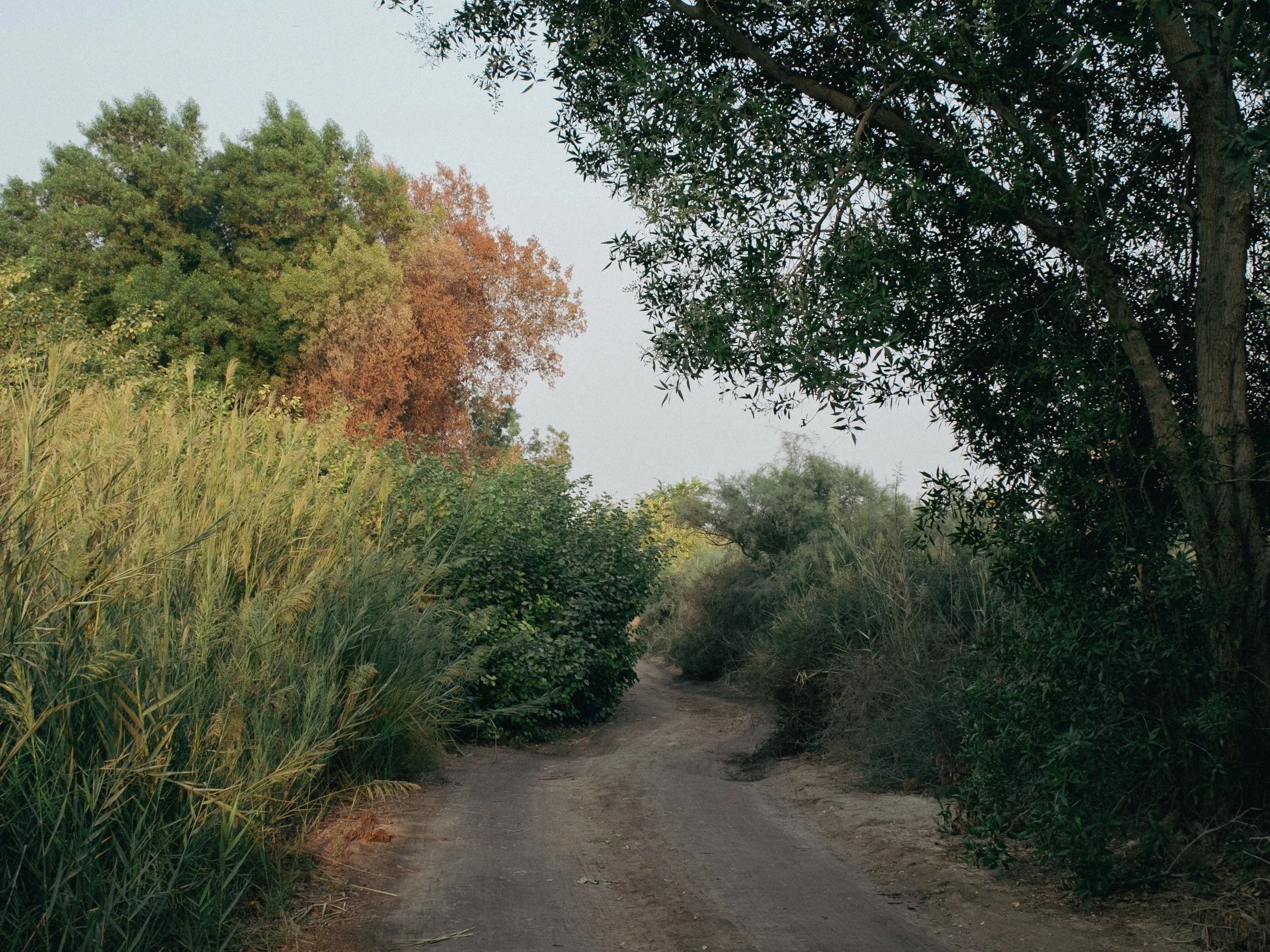
In the northern and northwestern coastal regions, the bond between people and land can still be seen. In some villages, narrow strips of greenery still persist, often shaped by decades of devotion. Trees and reeds gather along narrow channels, holding on wherever water lingers. In these pockets, the city’s hard concrete edges simply fall away, leaving only the soft air and the natural soundscape. Some local farmers still tend their plots with the same gestures passed down through generations, finding in the soil both livelihood and solace. Yet these small enclaves, so rich in life, are steadily shrinking under neglect and the growing pressure of a paved world.
Standing among these changing landscapes, one is compelled to look honestly at what has disappeared and what remains. To hold on to this land and what it carries is not simply to preserve it as a static relic, trapped in stories or confined to displays, but to remain connected to it as a living landscape. Every loss leaves an absence of its own. Perhaps such absences also ask us to bear witness, to acknowledge the distance that has grown between us and the place, and to learn again how to read it.
In the end, remembering a place is not the same as maintaining a relationship with it. Memory cannot remain abstract; it needs a place to take root. It is in the meeting of people and land that meaning emerges, and where continuity finds a way to endure.
About the author:
Hawra Ali is a photographer based in Bahrain. With a practice rooted in storytelling and research, her approach leans towards slow, subtle observation, finding depth and beauty in simplicity and the natural world, guided by a personal sensitivity to both environmental and cultural contexts.