Returning to Palestine: Learning Solidarity in the Face of Erasure
words & photographs by Gloria Habsburg
As a child, I was taken to Jerusalem as a Christian pilgrim. On those visits, I was mainly focused on being fed fresh falafel at Abu Shukri's in the old city, resulting in what is maybe my most profound spiritual revelation to date – a dedication to the cuisine of Bilad al-Sham. On a visit a couple of years later, we had a Palestinian Muslim guide rather than a European Christian one, and with that, the picture started to become a lot clearer. I began studying the country’s history, but no matter how much I read and how many documentaries I watched, I couldn’t quite fathom the absurdity of the occupation and the apartheid system, so I had to go back to properly see what I wasn’t shown on these earlier visits.
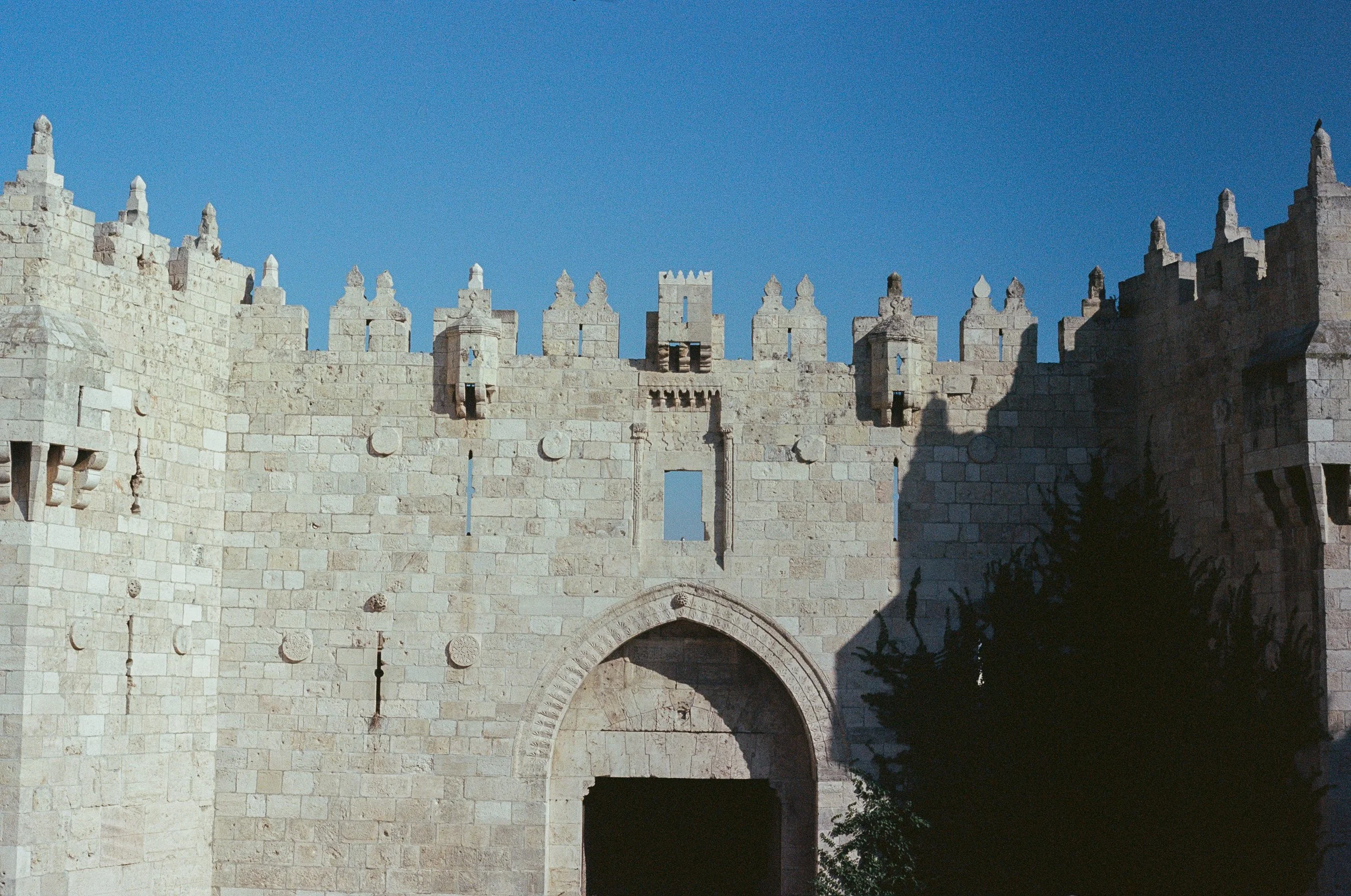
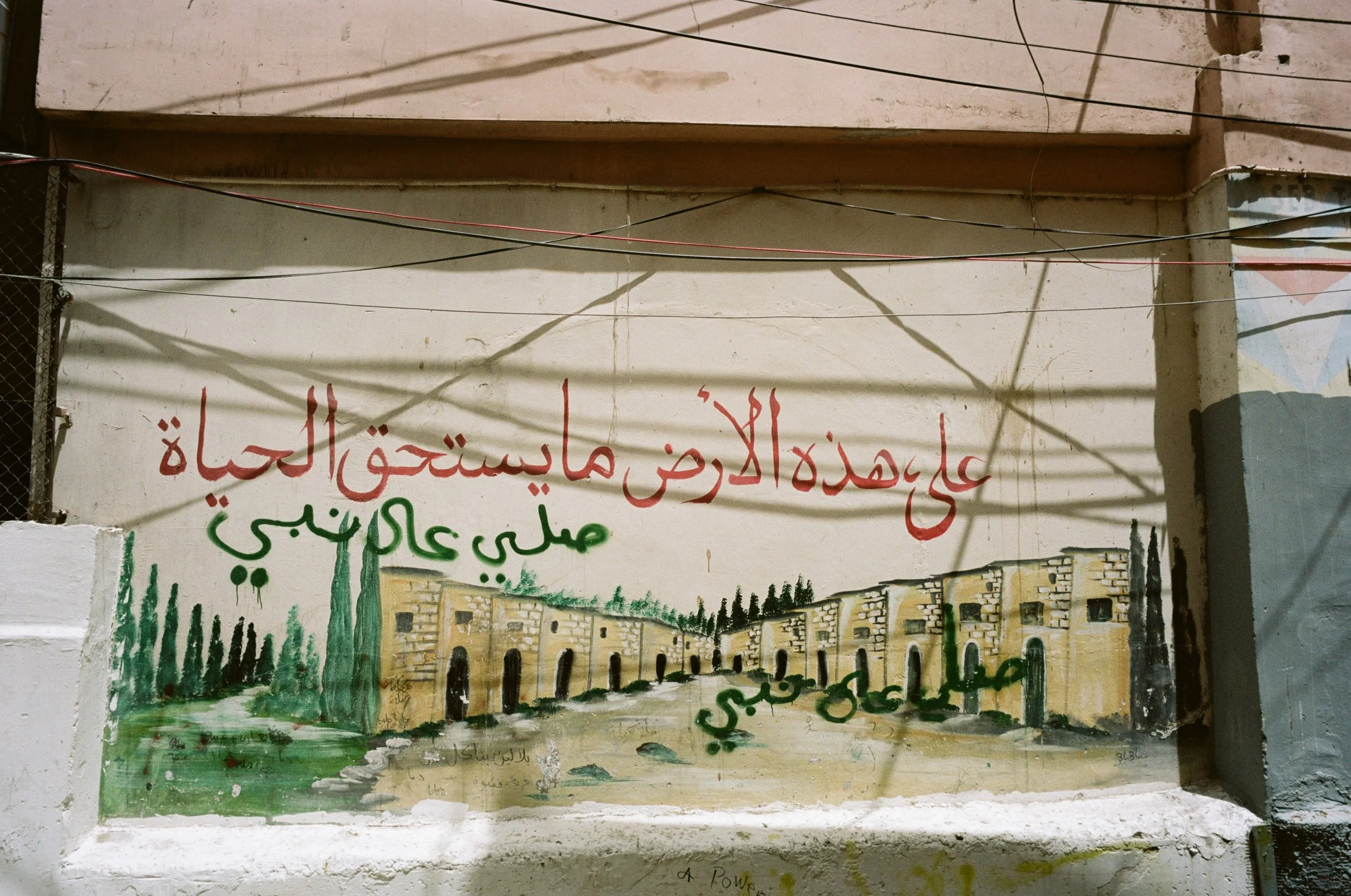
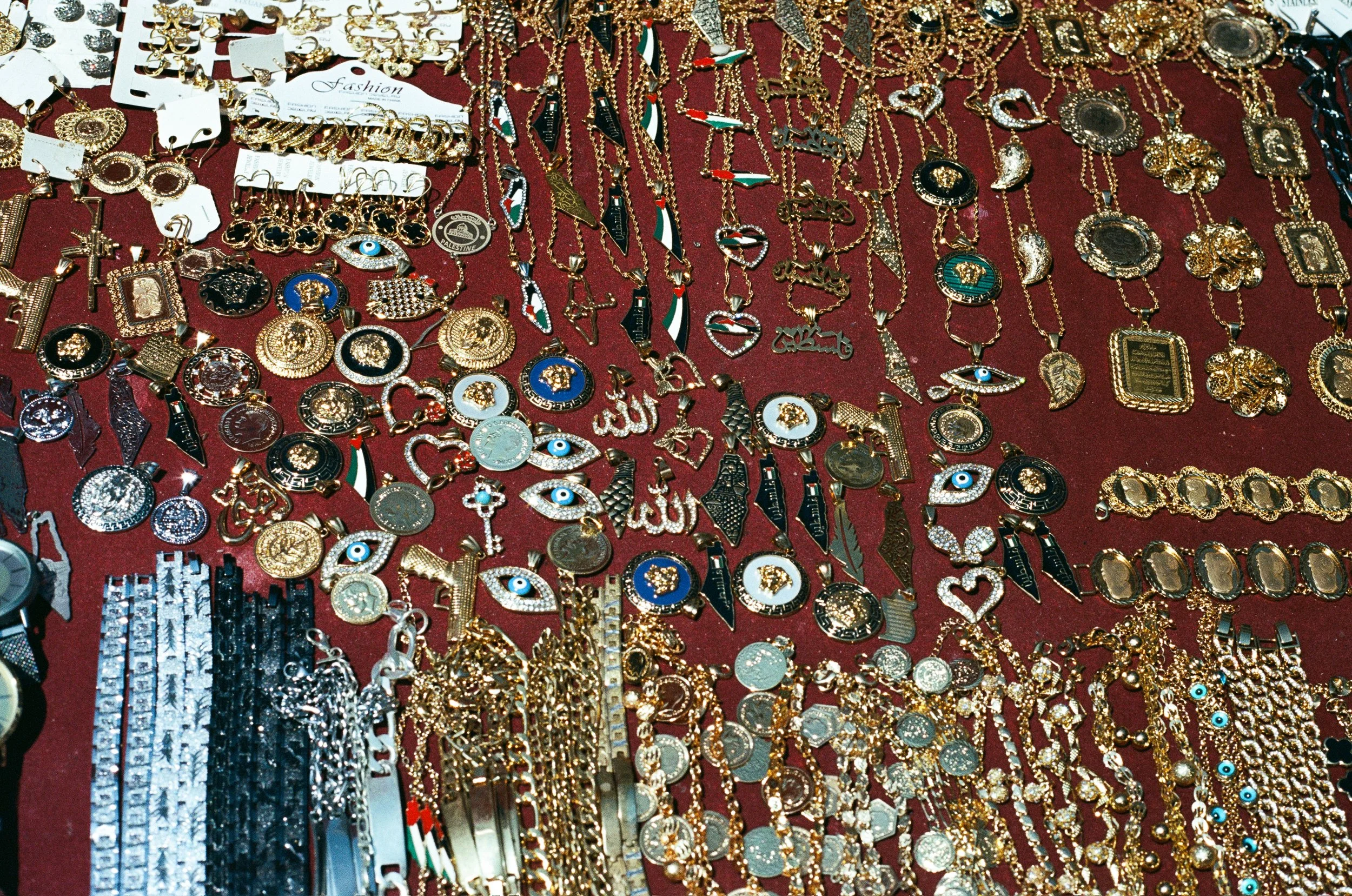
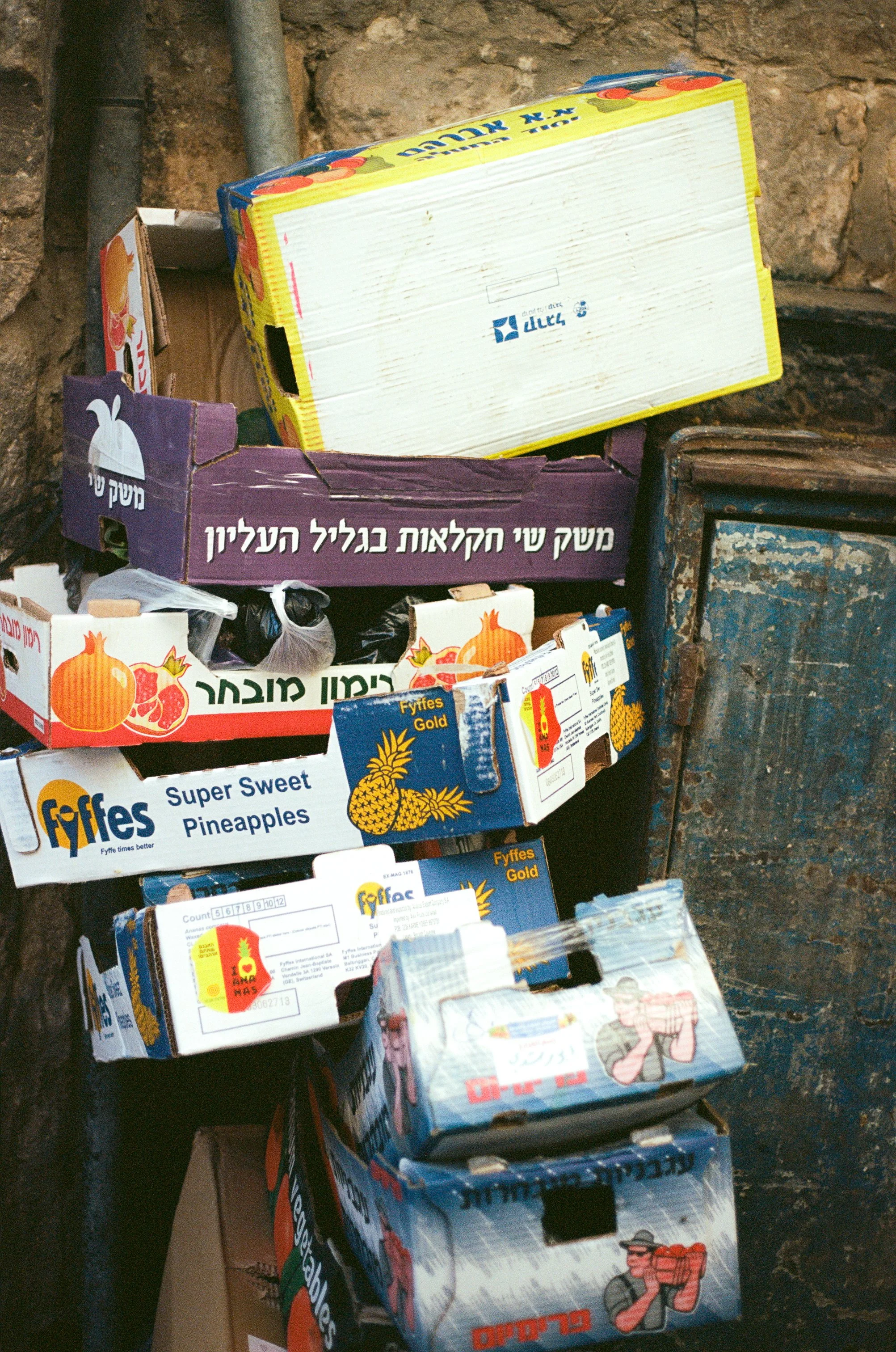
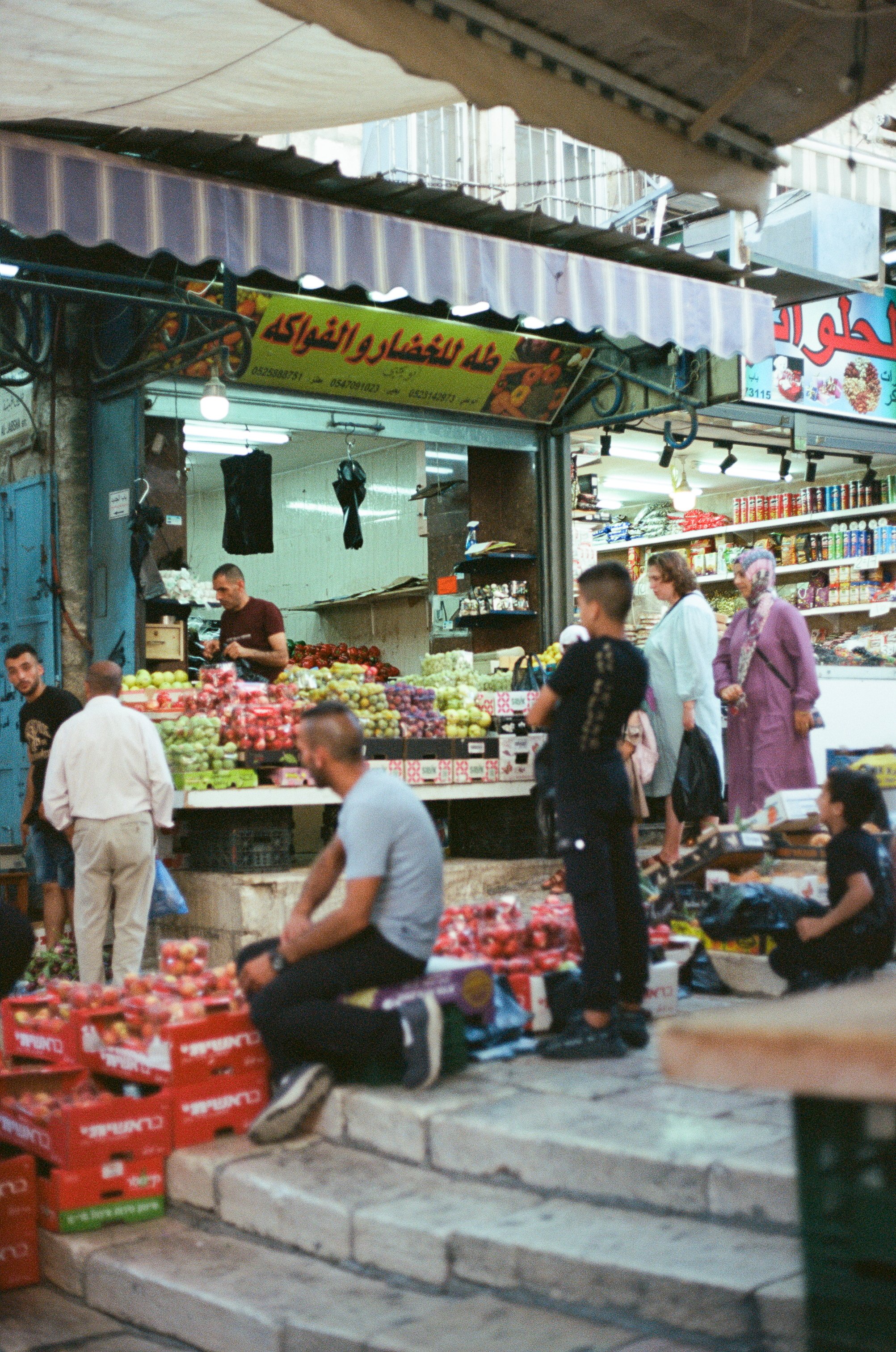
Bab Al Amoud, Jerusalem
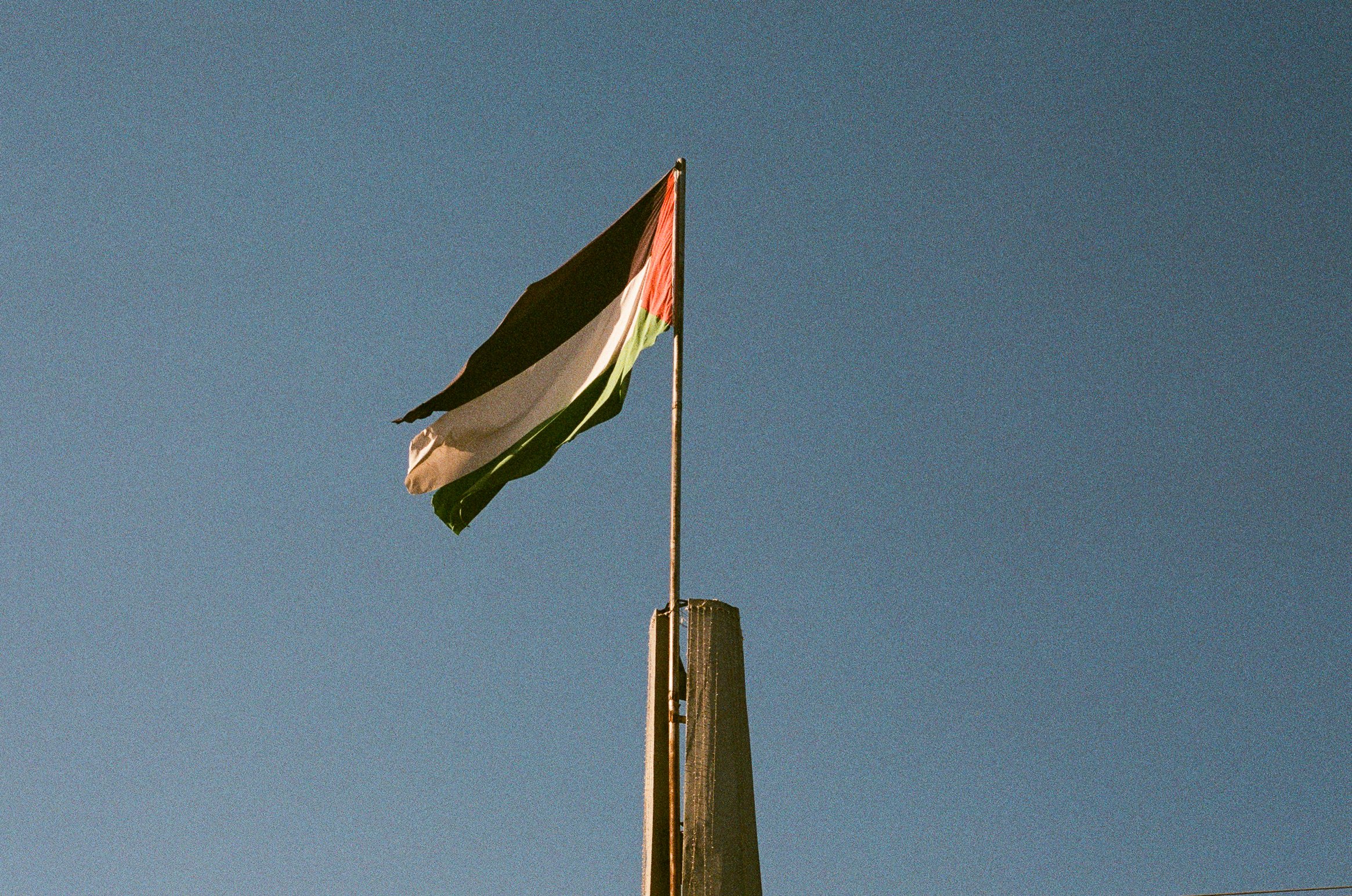
I enrolled to study Arabic for a semester at Birzeit University just outside of Ramallah. I learned more in those three months than I did in my three years of undergraduate studies. I finally understood why this holy place felt so damn unholy!
Netanyahu got reelected during my stay, and tensions were skyrocketing. Everyone felt something was coming, though few of us could have imagined the magnitude of what was to follow. During the genocide, I returned to work on a documentary film on UNRWA, documenting the effects of the funding cuts on the different refugee camps in the region. I was also desperately looking for an excuse to return, visit, and check in on the friends I had made there during my studies.
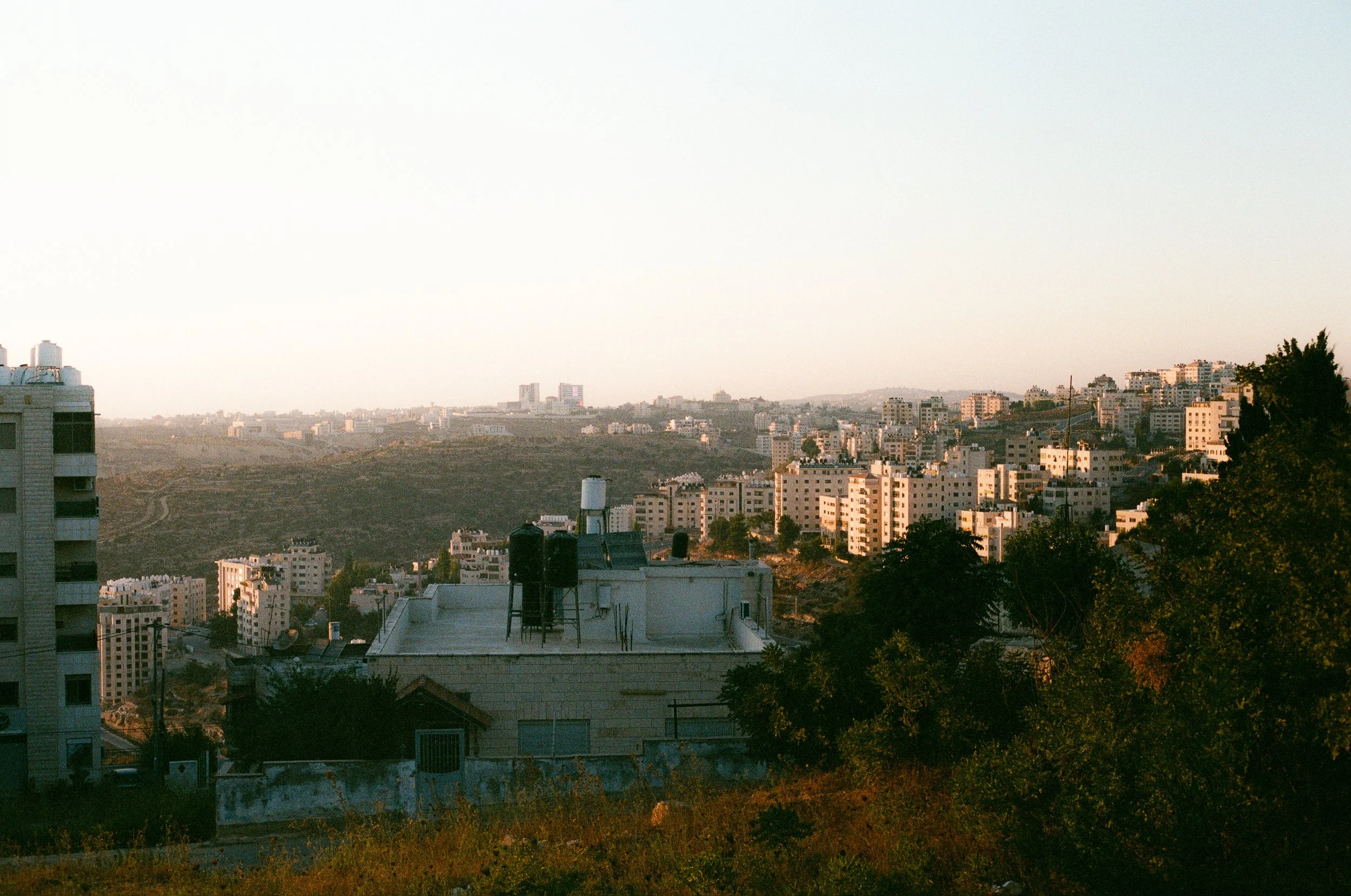
Most of these photos are from those trips to Qaladiya, Shuafat, Ramallah, Aida camp in Bethlehem, Nur Shams and Tulkarem, and Balata in Nablus. In May of 2025, we visited an UNRWA school in Shu'fat camp on what we now know was their last day of class. The Israelis had passed a law that all UNRWA facilities must cease operations on “their territory”. So they started by closing everything in East Jerusalem. The headquarters that had been operational in Sheikh Jarrah since 1952, a plot of land they leased from the Jordanians at the time, were closed and demolished, as well as many health clinics and schools.
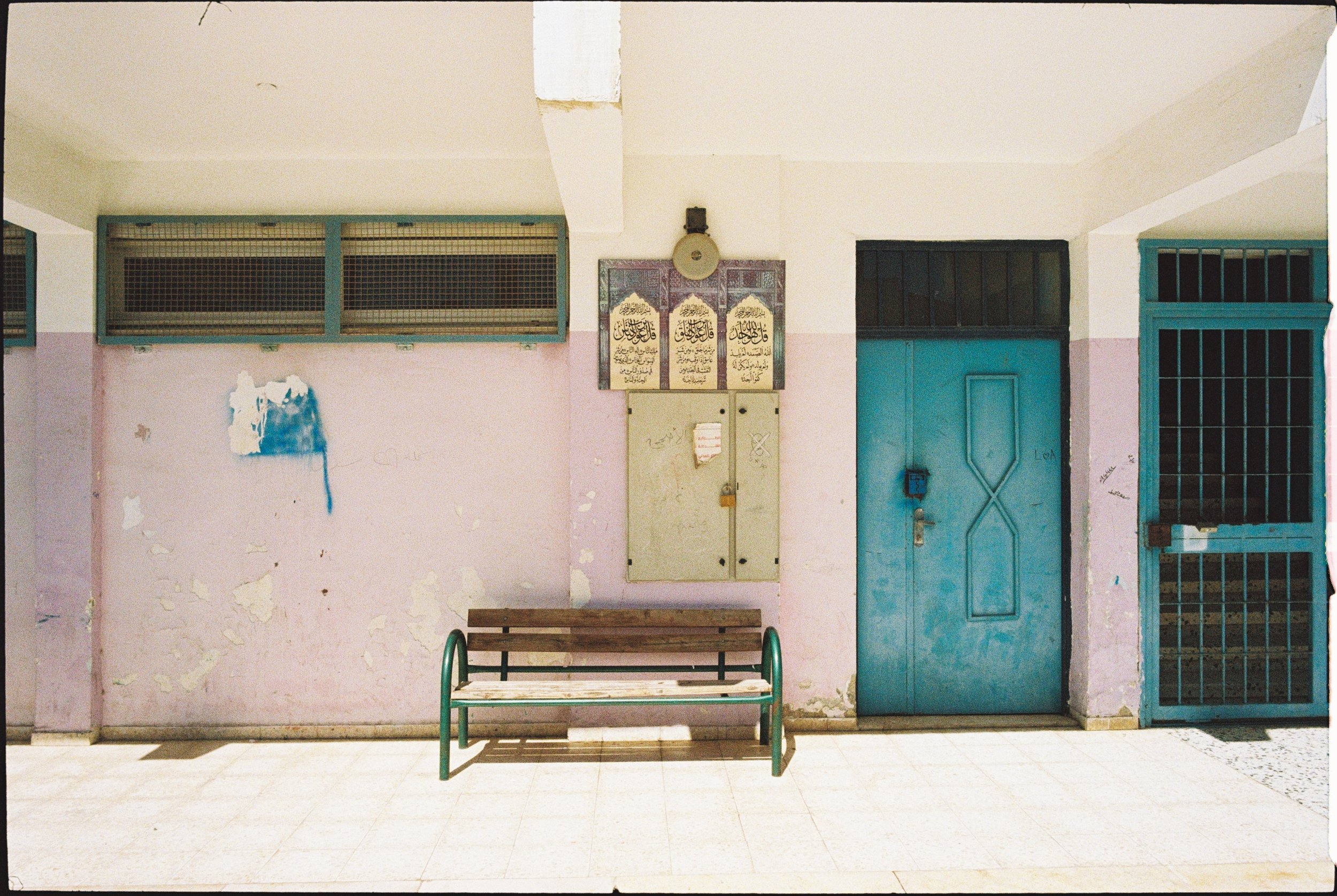
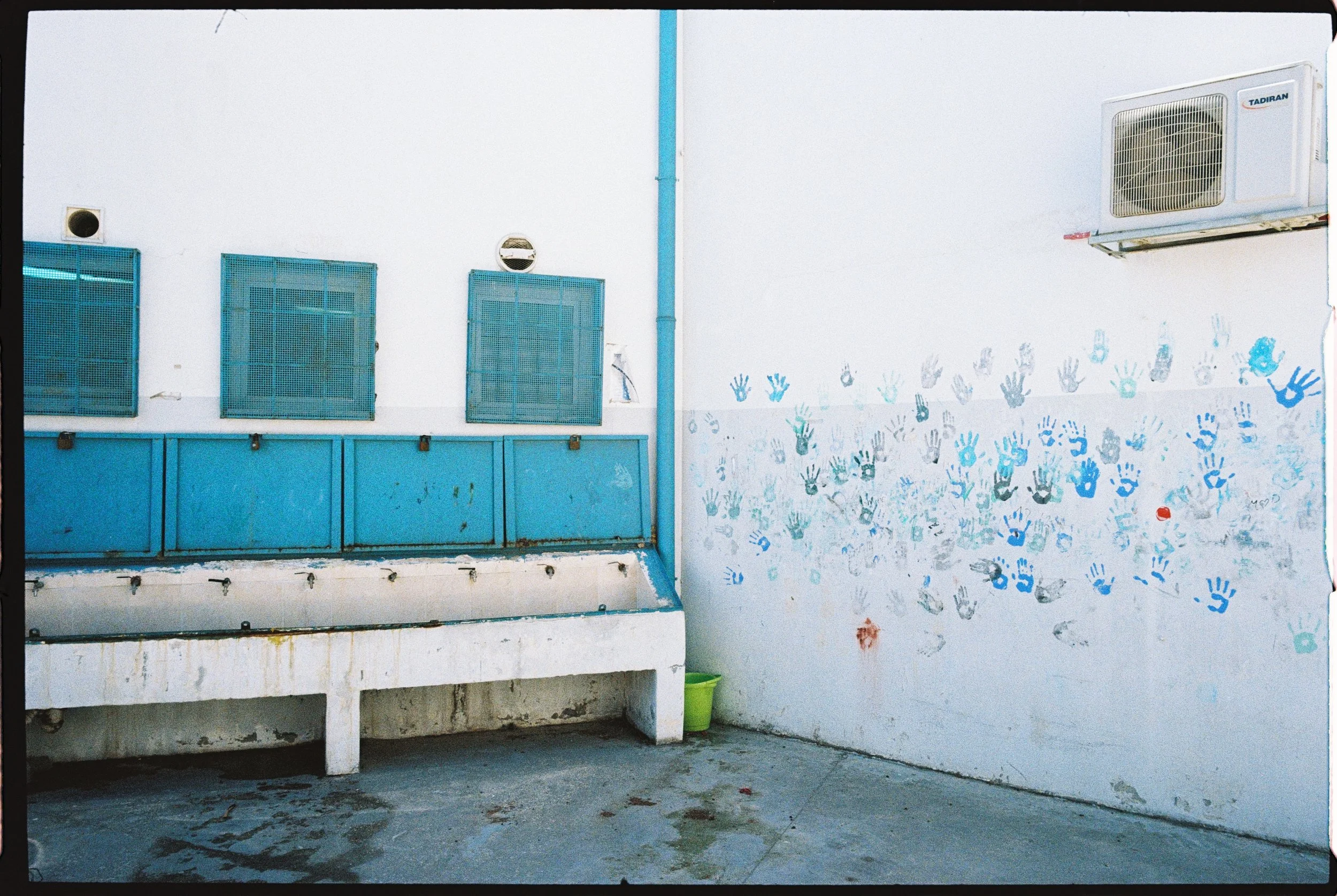
Shuafat camp is in this weird in-between zone, something that can only really exist in an apartheid state: it is the only Palestinian refugee camp that exists within what Israel considers territories fully under their control. It's on the inside of the wall but still caged in by military checkpoints. We visited the school to interview students and teachers about their anxieties about the school being shut down. Everyone was seemingly optimistic that it wouldn’t happen. It was a beautiful day in a beautiful school. It felt like a little oasis, with pastel-coloured buildings, open spaces, trees, and games. These types of spaces are hard to come by in the densely populated neighborhoods that these refugee camps have become. The next morning, we got a message from our contact at the school sending us videos of dozens of heavily armed Israeli soldiers storming the school, kicking out the students and teachers, and closing the facility.
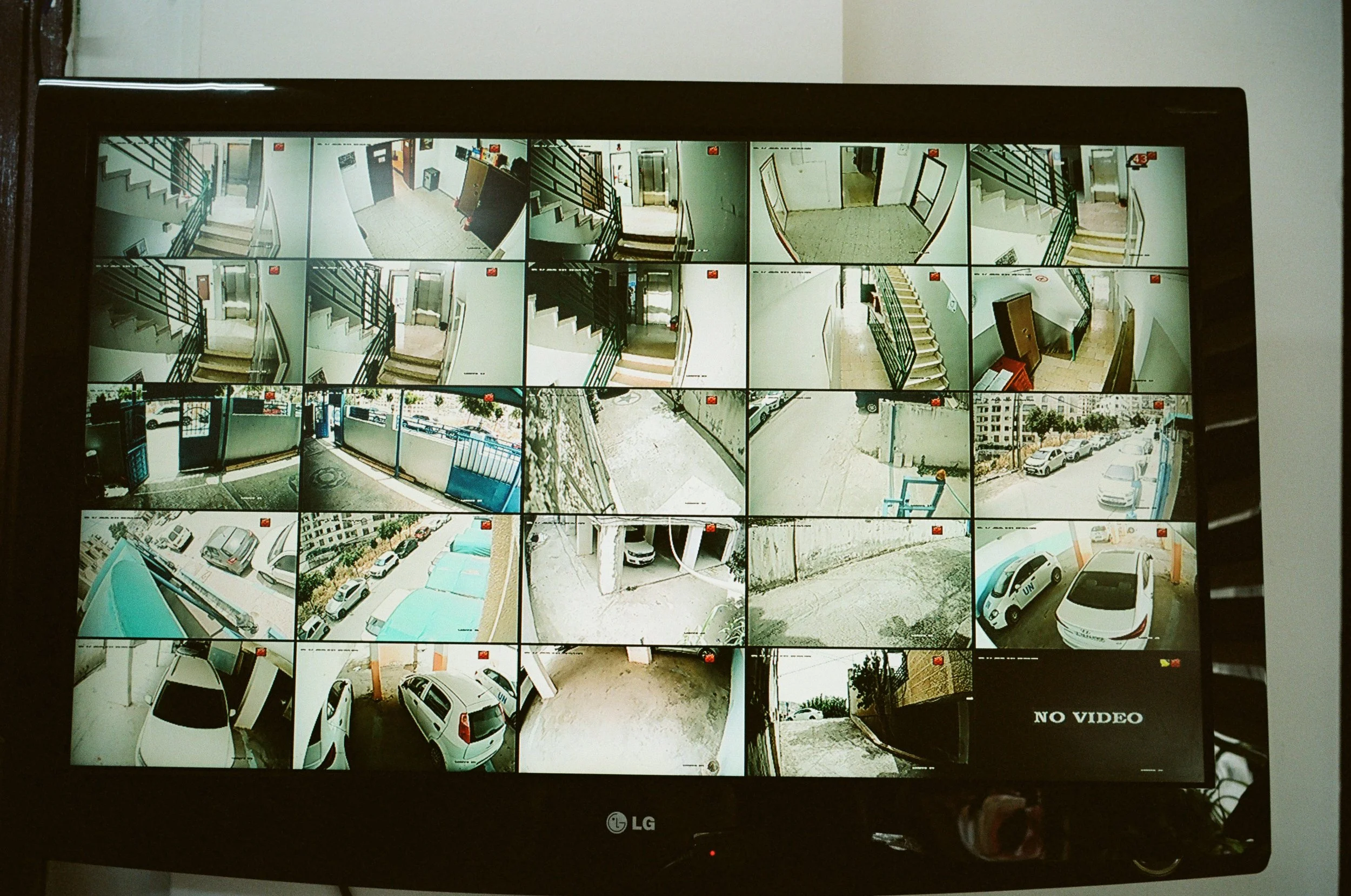
Balata, Nablus
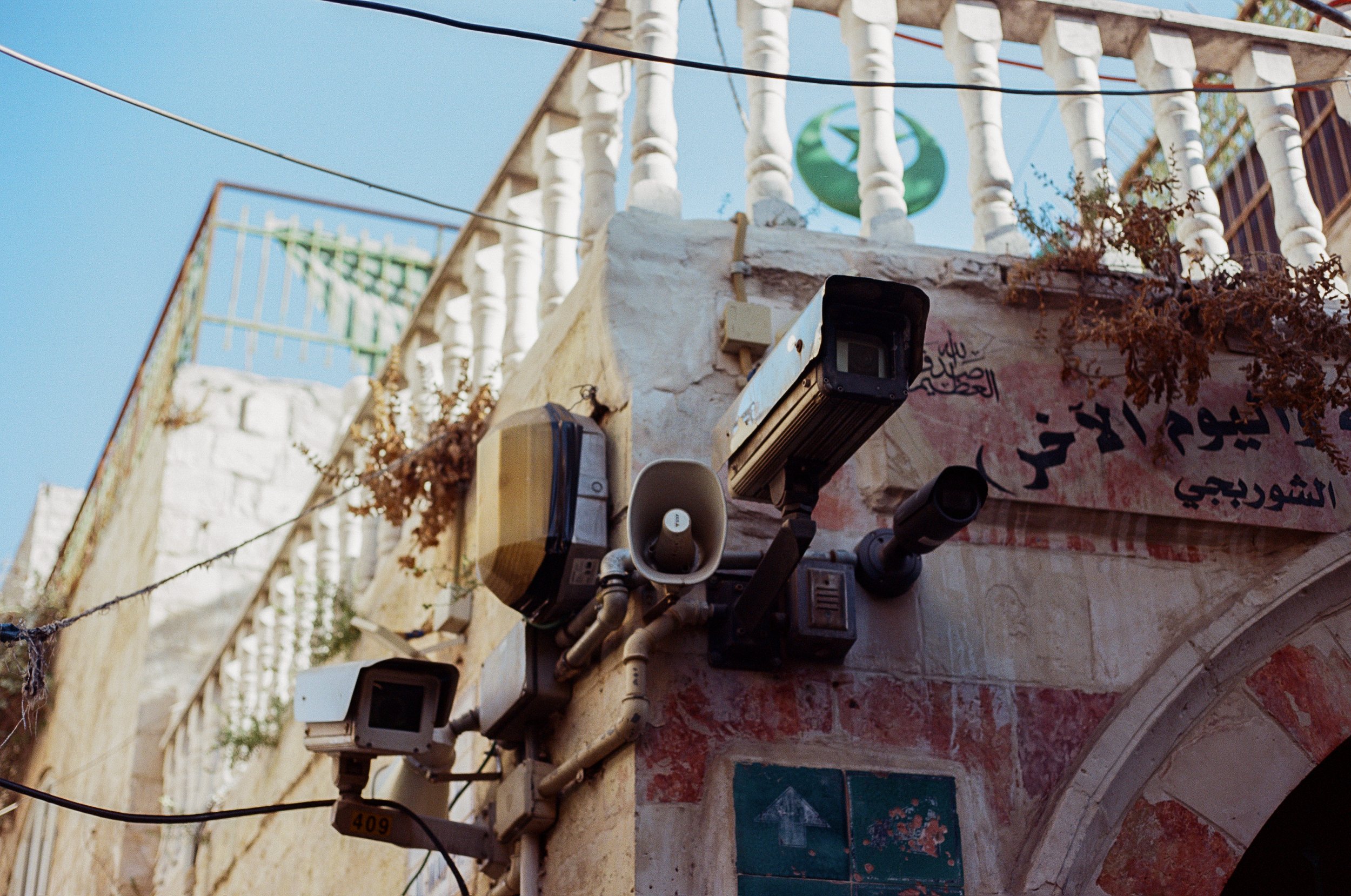
Bab Al Amud, Jerusalem
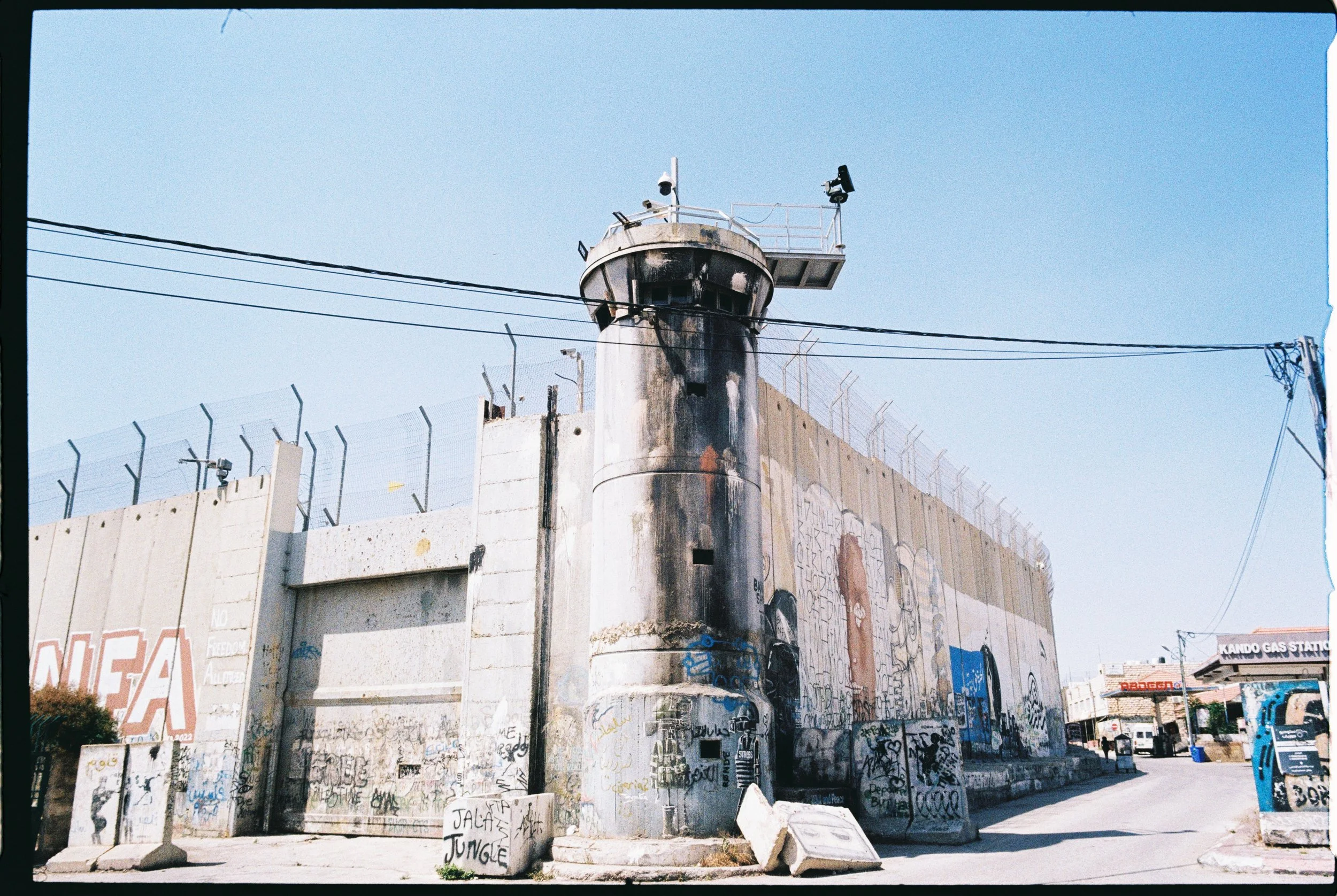
Bethlehem
And that was it. School closed. No more free education in the Shuafat refugee camp. Although I didn't know it when I was taking the photos, there's something that strikes me as eerie about them now. It’s as if I was almost pre-empting the emptiness of the facility. There is an endless list of cruelties committed by Israel; it seems easier to hide behind thousands of atrocities than it does to hide behind one. It makes it hard to choose what to be animated about, what to advocate for. What's the point of raising awareness and contemplating the effects of a closed school when entire families and bloodlines are being decimated in Gaza, in Lebanon, and beyond?
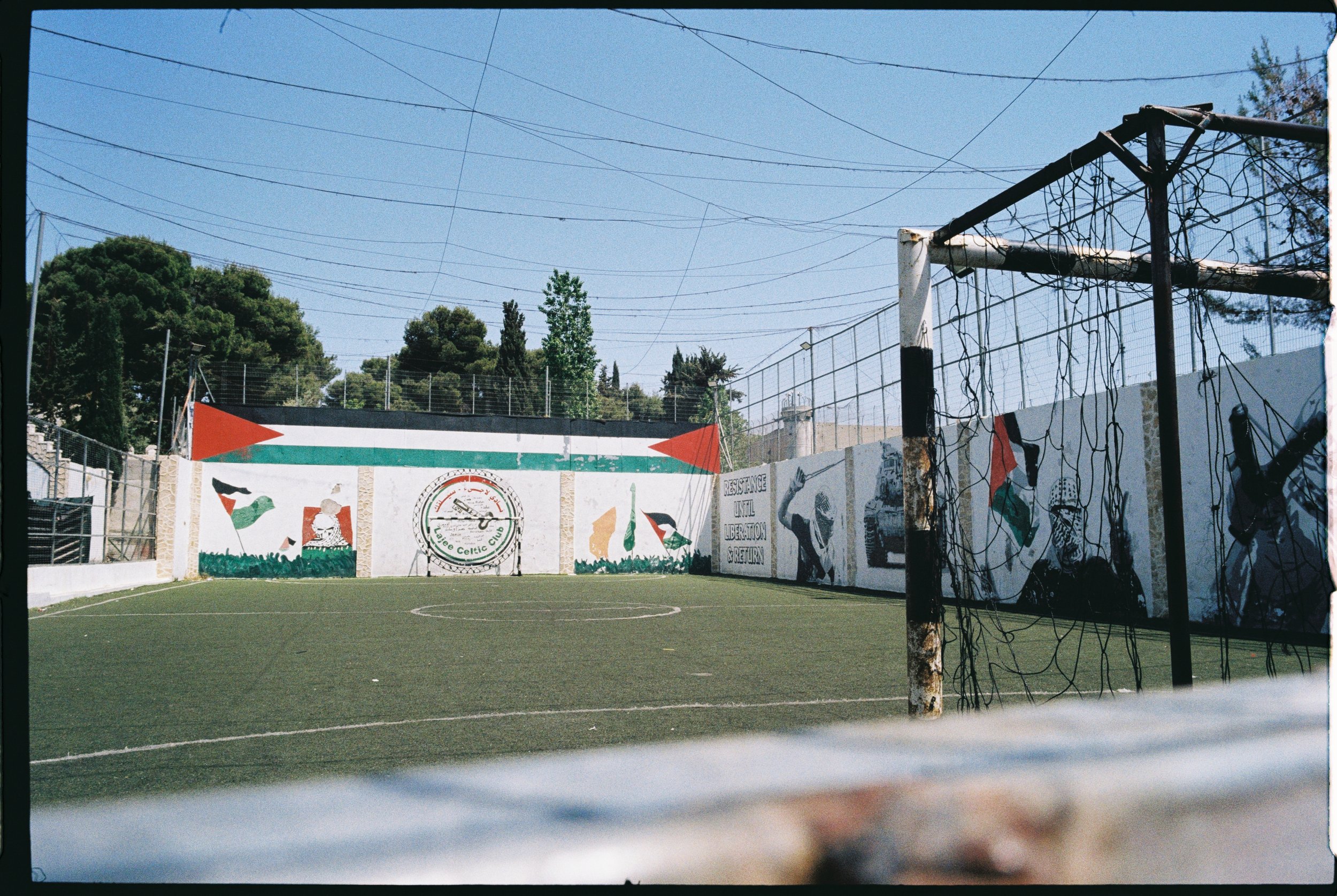
There is, however, something very important to be said about the subtle violence and the implications of closing a school. This is a small peg in a larger machine of erasure. Slightly softer and more subtle than a bullet or a bomb. But these little cuts, they add up. The Israelis have realised that schools are not only places of learning, but places of community, of recreation. A place where kids can be kids, and most importantly, where kids can dream of a future that is greater and more hopeful than their current situation. Therefore, learning facilities are systematically destroyed.
In Gaza, the educational infrastructure has been decimated almost entirely; it's estimated that 97% of school buildings have been damaged or destroyed. On the 28th of February 2026, on the first day of the American-Israeli attacks on Iran, the Shajareh Tayyebeh Girls Elementary School was destroyed, killing 170 children. In the West, teachers have lost their jobs, and students have been expelled or punished en masse for expressing pro-Palestine solidarity. All of these events are strung together by the fear of truth.
The only other public school choice these kids in Shuafat will have is crossing a checkpoint and going to an Israeli school. Where they will have to learn Hebrew and a distorted history from which their people have been erased. It all adds up, doesn’t it?
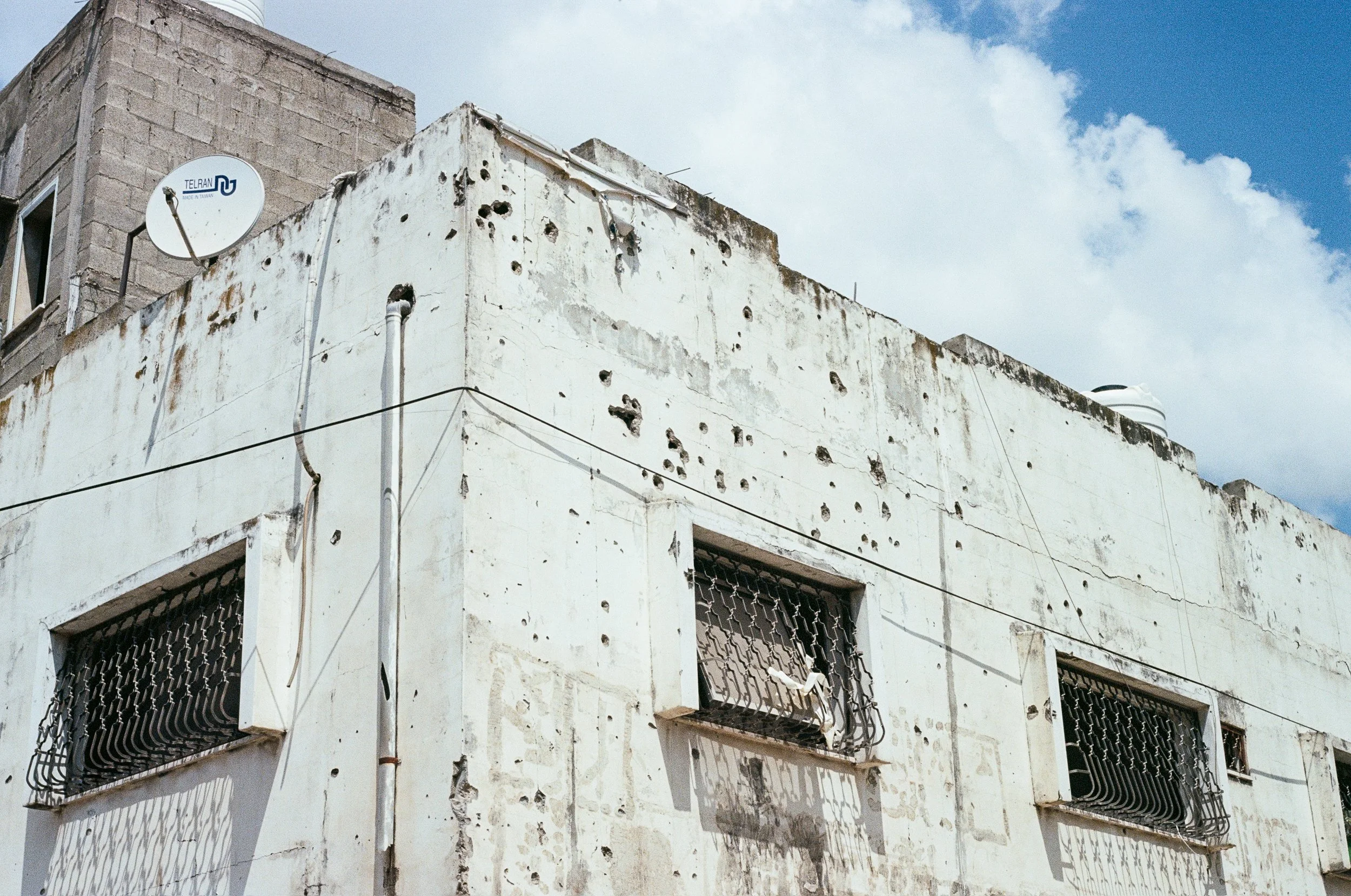
Nur Shams Refugee Camp
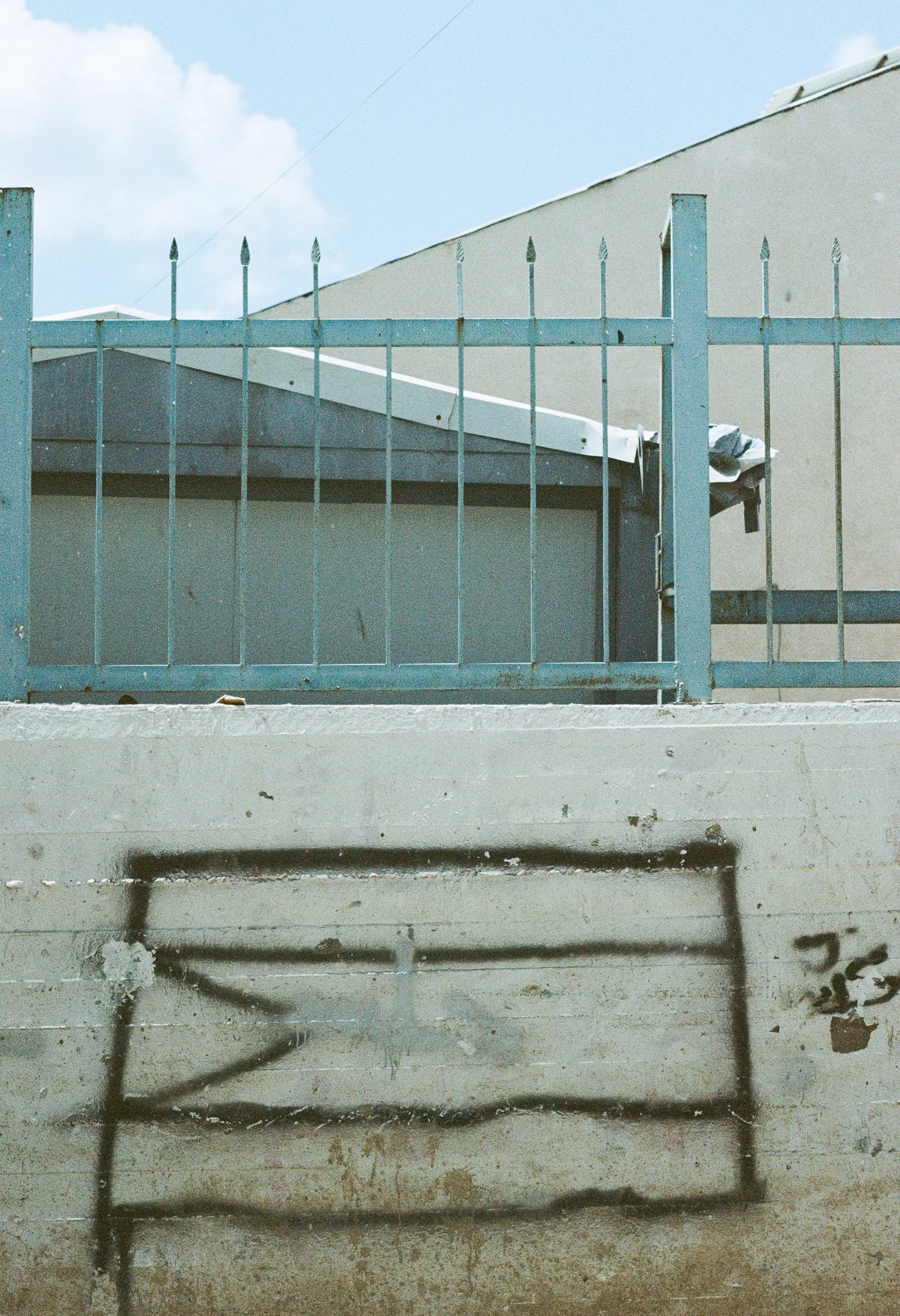
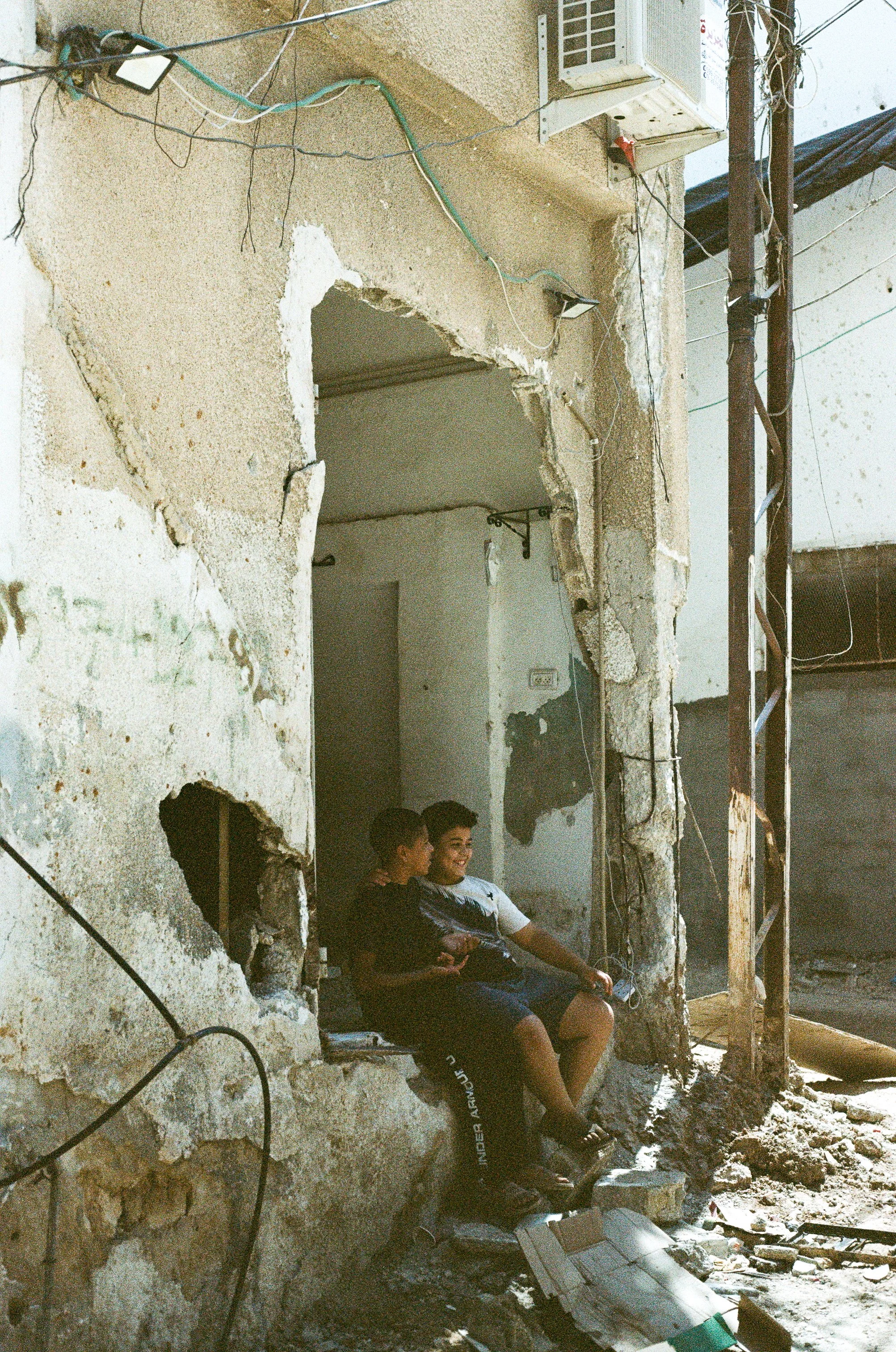
Palestinians at large are being targeted; this is not news to anybody. However, I found there's a specific focus on targeting the identity of the Palestinian refugee. The camps in the West Bank were under a storm of Israeli attacks during the time of our filming. It started with “Operation Summer Camps” in late summer of 2024, which then expanded into “Operation Iron Wall” in early 2025, where camps, especially in the north of the West Bank, were being decimated. Raids, sieges, and drone attacks displaced thousands. The rate of displacement is at its highest since 1967.
We visited Tulkarem and Nur Shams in late August 2024. The day we were meant to go, we actually couldn’t get into the camp because there was a raid happening: there were Israeli drones and snipers all around and the entrances to the camps were blocked by military vehicles. We decided to return the following day. As we walked around the camp with the UNRWA employees, we were able to witness how life poured itself back into the streets. The routine of cleaning up after the destructive force of bulldozers and combat units tore through the city. Sides of buildings torn down, streets and roads decimated, sewage and water pipes torn up. It had not been the first time and would not be the last. There was something about the normality of it that scared me the most. People seemed more exhausted than shocked.
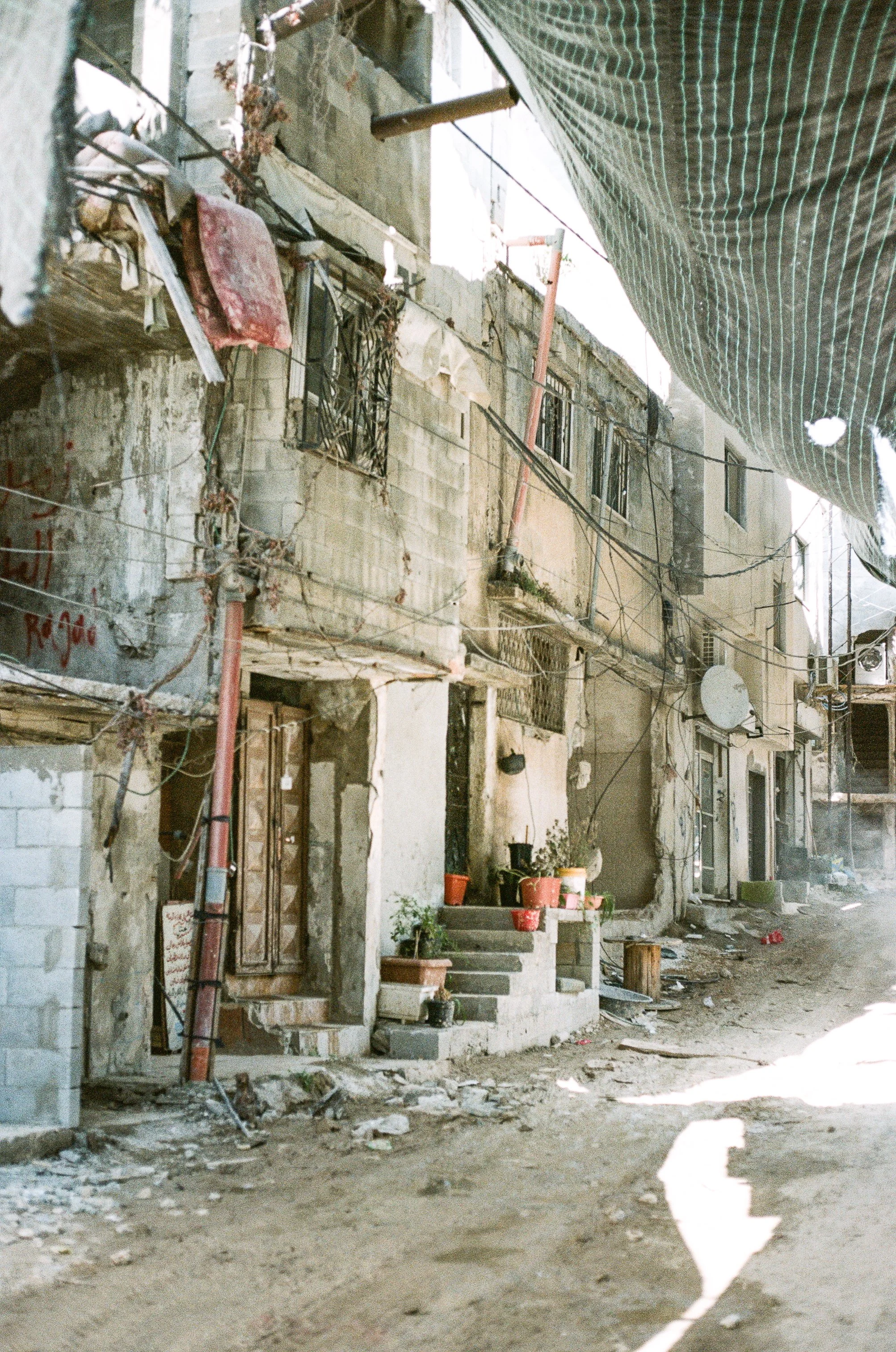
Tulkarm Refugee Camp
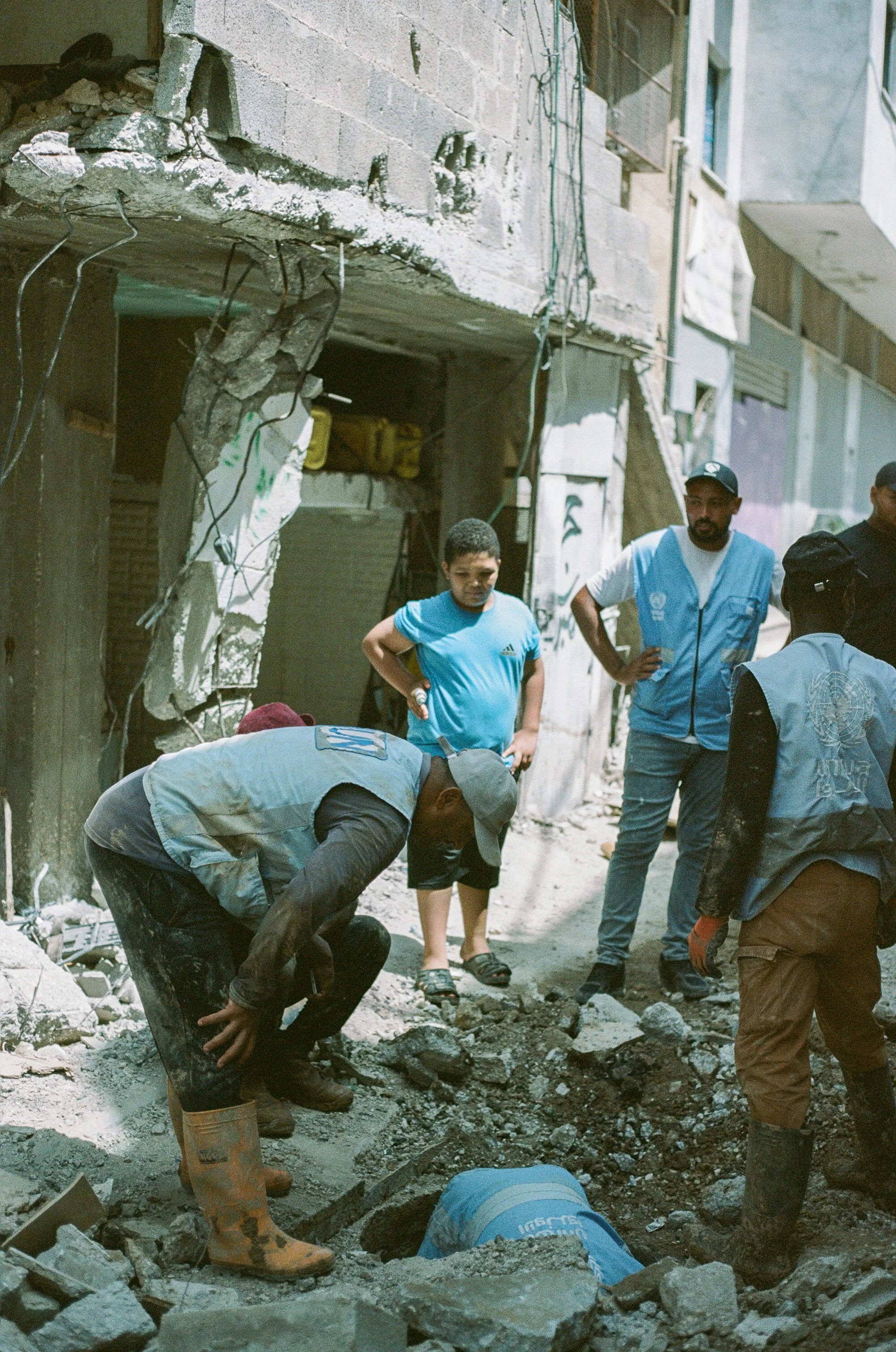
Needless to say, when we returned to Palestine nine months later, Tulkarem camp and Nur Shams camp had become unlivable. The Israelis demolished most of the streets and many of the homes, causing the residents to flee to other cities and camps in the area. What began with “short” raids had escalated into full-on destruction and permanent occupation with Israeli soldiers manning the camps full-time.
The destructive violence in the West Bank often goes unnoticed, and I think a big reason for that is because it's simply so absurd and confusing for outside onlookers. It's a slower violence, death by suffocation, where humiliation and stealing time through roadblocks and checkpoints is the modus operandi. Where refugees become internally displaced people. Where armed settlers terrorise villagers and agricultural land.
Palestinian refugees are the living proof of the original sin of Zionism: that Palestine was not "a land without a people". That Israeli statehood was established on stolen ground and ethnic cleansing. As it was in 1948, so it is now. More violence, more land grabs, more death and displacement. Not only in Palestine, but in the entire region. There is a conspiracy of perpetual war, manufactured by Israel and its allies, to skirt accountability and market every fresh onslaught as defence.
A serious question arises for outsiders like me: what does it actually mean to stand in genuine solidarity with Palestine and Palestinians?
As the discourse around this in the West was riddled with abstraction, and when alleged solidarity was simultaneously punished by some and used for personal gain by others, I was yearning for clarity. I found it earlier this year in a talk I organised with the brilliant Dr Ghassan Abu Sittah, and he put it very simply:
“To stand in solidarity means you actually have to want them to win.” It needs to be an active practice, not merely a sentiment. One must go further than simply mourning grave suffering and support those who are actively resisting oppression and advocating for genuine change.
About the Author:
Gloria Habsburg is a multimedia producer who focuses on impact storytelling. Most notably she was the associate producer on Academy Award-winning documentary film Navalny (2022), and co-editor of the book Palestine is everywhere (2025). The central theme always being listening to and empowering those who are being silenced. She studied International Relations at SOAS in London, and also did a semester at Birzeit University in Palestine studying Arabic and Philosophy.