From Palestine to Ireland: Tuqa Al-Sarraj’s Expression of Collective Memory and Heritage
Interview By Asma Barakat
Palestinian multidisciplinary artist Tuqa Al-Sarraj has a way of using art to access memory and invite her audience into key moments throughout her life. Her visual performances ‘Meet Me Under the Jasmine Tree’ and ‘A Sound From Gaza’ during the Project Arts Centre’s 2026 Week of Freedom for Palestine in Dublin, Ireland, gave interactors a unique opportunity to experience an ordinary moment from Al-Sarraj’s life in Gaza between the 1990s and early 2000s.
Born and raised in Gaza before moving to Ramallah in the occupied West Bank at age 10, Al-Sarraj’s journey as an artist is tied to her heritage, memories, and life in Palestine.
“I do research in memory and archive. I find memory and archiving rich to look at and find material from,” she says.
Al-Sarraj’s journey as an artist began as a child in Gaza. While living in the Al-Rimal neighborhood in Gaza, her mother converted part of their living space into a rental for visitors coming to Gaza. “I think it started in Gaza, as a child. My mom had a BNB, and she ended up meeting lots of American activists, artists, and journalists. So I was introduced to English through activists basically. Anytime tourists would visit us or stay in that part of our house, they would bring us gifts, and there was always paint and art involved. So I began to paint quite young,” recalls Al-Sarraj.
She explains how art in Gaza came to life through regional influence, the environment, and fun community events at the local summer camp. “Gaza is quite influenced by Egypt when it comes to art; I wouldn't say fully, as it has its own unique way, definitely, but it used to be called ‘Little Cairo’ in the 80s. So growing up in the early 2000s in Gaza, it was full of puppet shows. There was the Rashad Shawa Cultural Center. There were always events there. There was theater.”
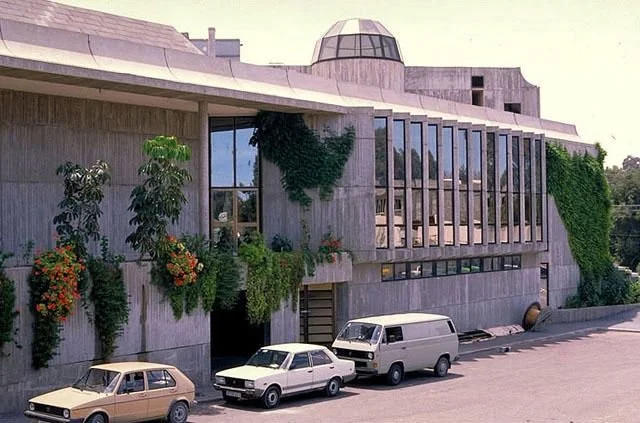
Rashad Shawa Cultural Center

Rashad Shawa Cultural Center
Al-Sarraj describes life in Al-Rimal as culturally prosperous. “There was access to the beach at that time. We'd go every week, and I would be so interested in sandcastles, as well as having access to the garden. So nature really helped, but I would say big influences would be the puppet shows in Gaza, as well as summer camps. Some of these artists who are internationally known now would give summer camps in Gaza and teach different kinds of methods of making and handicrafts.”
By the time Al-Sarraj went to art school, she had been living in Ramallah for nearly a decade. This added an entirely new layer of obstacles, which is distinctly visible across her work. As a Palestinian with a Gaza ID, movement became extremely restricted for Al-Sarraj. “We couldn't move much outside Ramallah. We were considered as living there illegally.”
The uncertainty of life in the West Bank, along with severe movement restrictions, played a major role in many Palestinians' work. She mentions how politics often found its way into local art practice: “Growing up in Ramallah, my neighbor was a wonder box maker, and he would have wonder box shows. He was called Abu al-Ajab. And he was known for trying to keep this heritage alive in Palestine.”
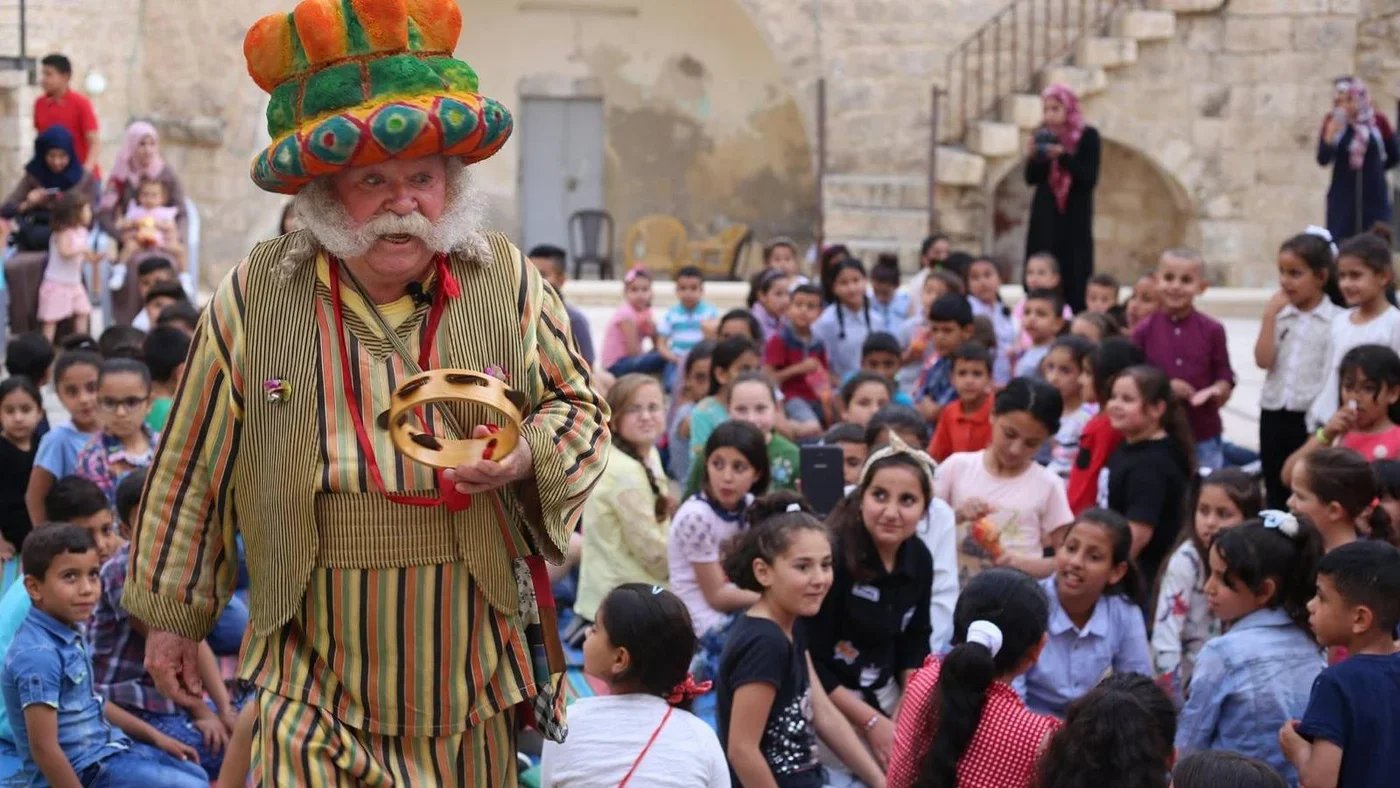
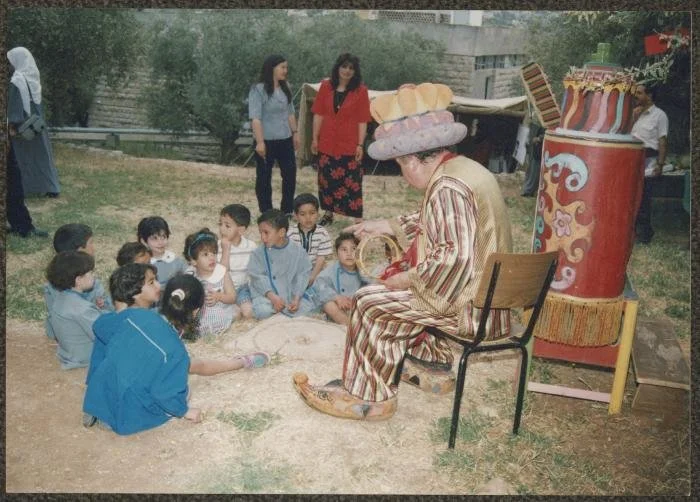
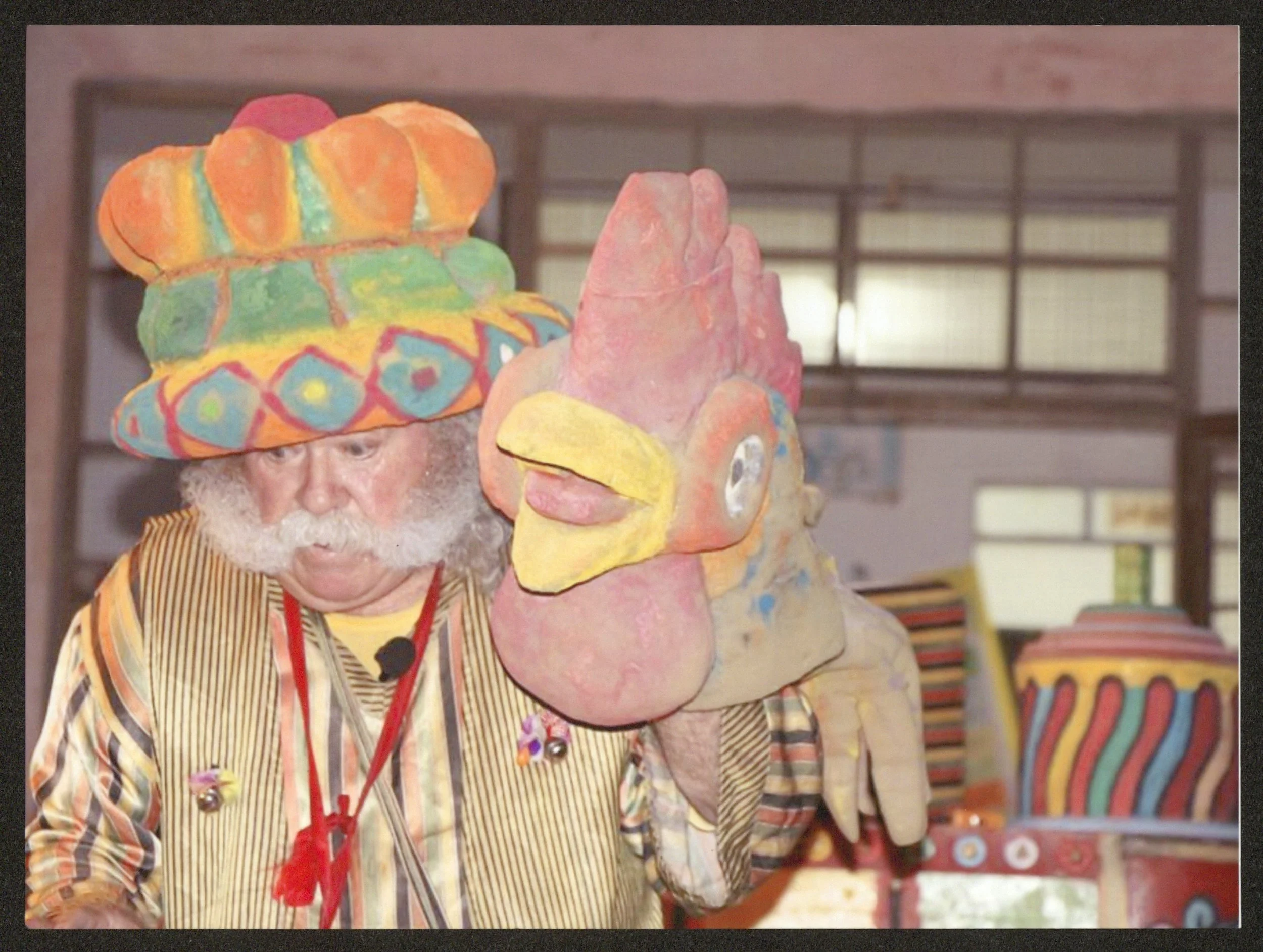
“So there was actually a political side to this project where the wonder box is supposed to move freely between villages in Palestine and have access. But throughout his project, he was quite limited in his movement,” she adds.
The notion behind Abu al-Ajab’s wonder box struck a major chord with Al-Sarraj when the world shut down during the COVID-19 pandemic. Although Al-Sarraj was residing in Ireland by that point, the COVID-19 restrictions triggered memories of her life in the West Bank.
She developed Peat Show, a multimedia performance centred on her own wonder box, inspired by Palestinian visual storytelling traditions. The box opens onto a miniature theatre-like world of panoramic paintings, connecting her memories of Palestine with Ireland’s rich storytelling culture.
“I just wanted to make a Wonderbox, and I wanted to tour around Ireland during COVID, actually, which, with the movement limitations, can trigger any Palestinian. So I ended up making the box, and I connected it with storytelling in Ireland. Ireland is so inspiring when it comes to storytelling, and I connect that with Palestine because we have that cultural side too.”
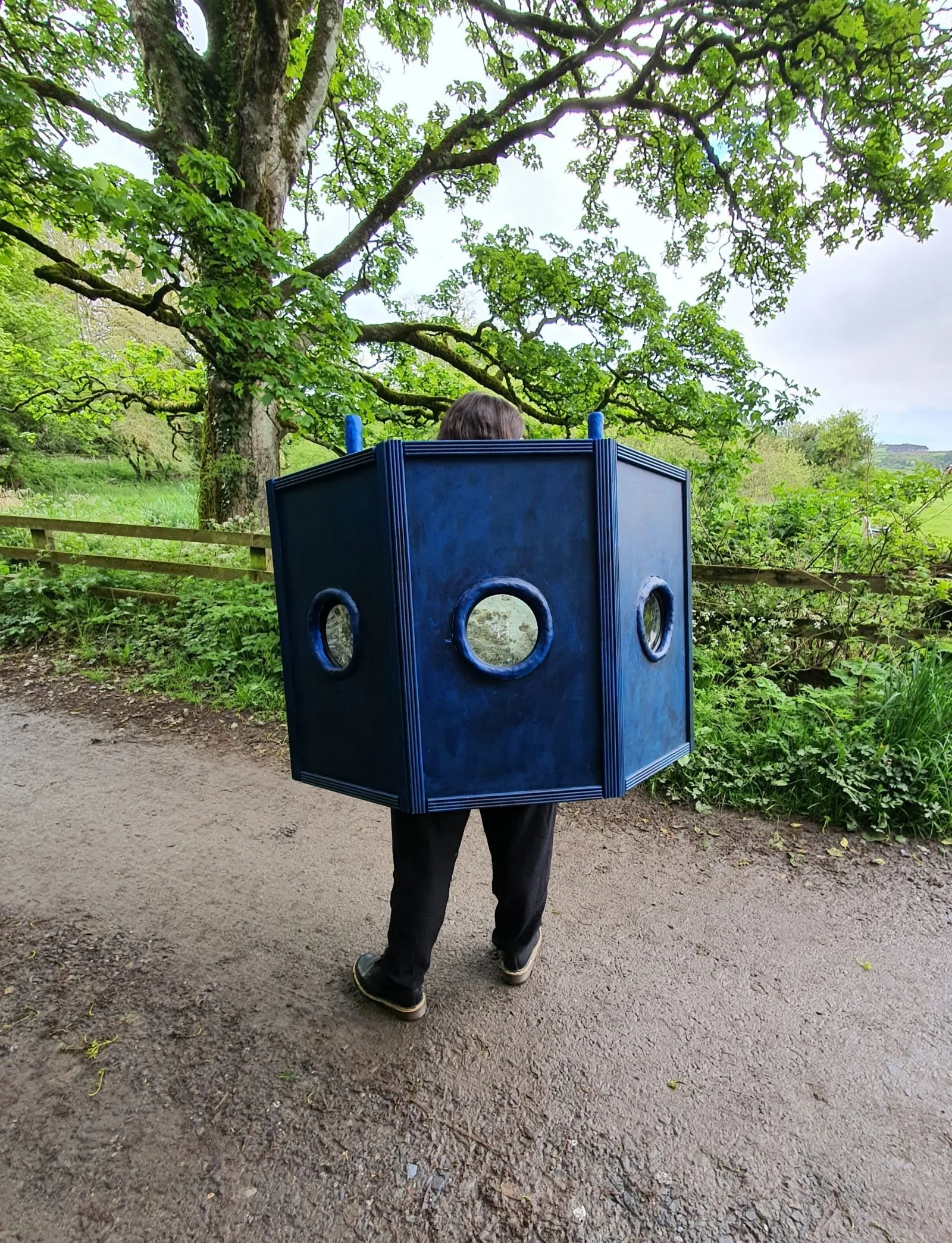
Peat Show on tour
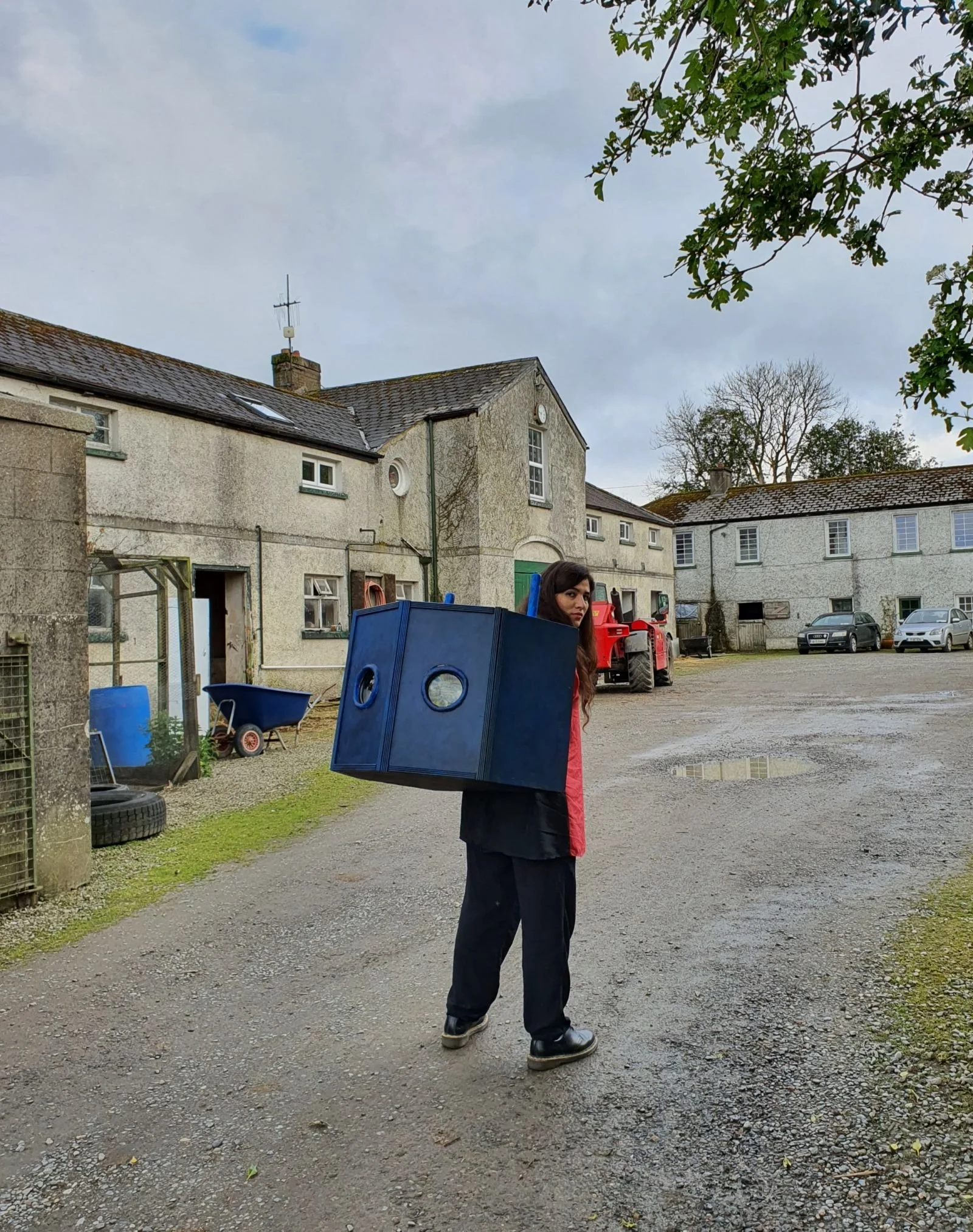
Peat Show on tour
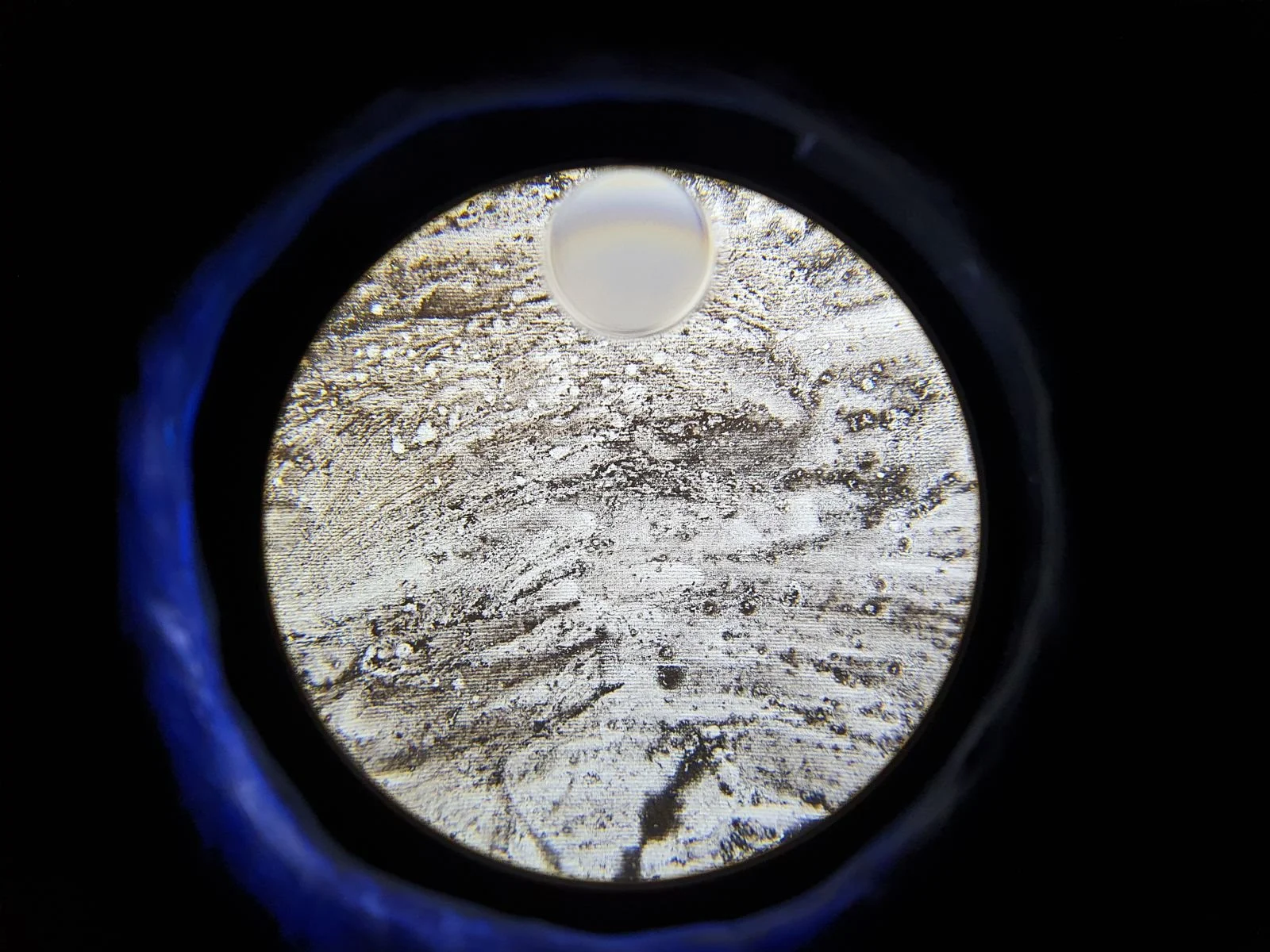
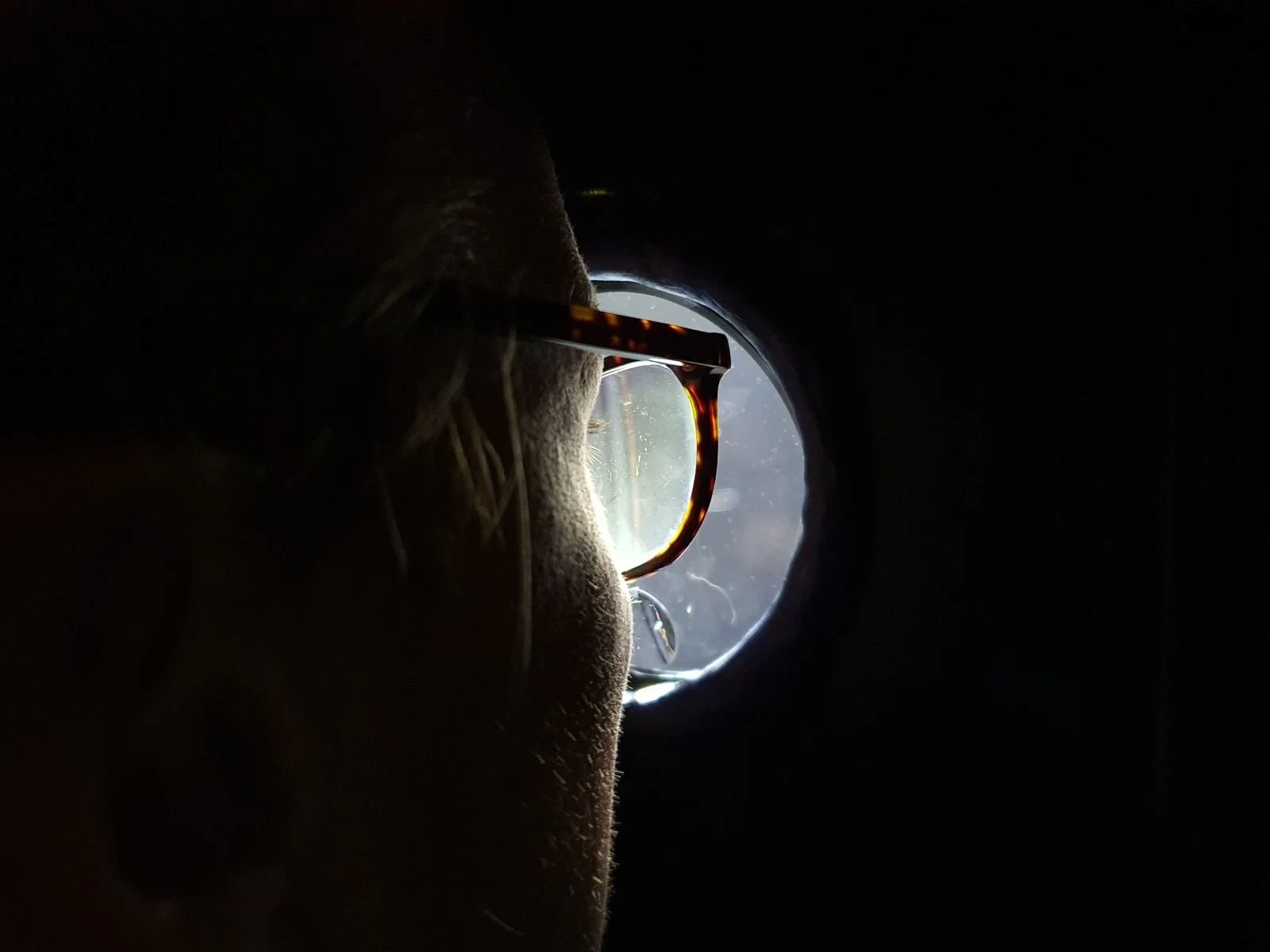
Peat Show on tour - From a live perfomance
It was not long until another life-changing event occurred, which would demand all of Al-Sarraj’s fortitude. The events after October 7 unleashed an unprecedented wave of emotions for the Gaza native, including a greater sense of responsibility to document, which she was determined to express through her art.
Although she maintains a very personal connection to Gaza, Al-Sarraj understands the importance of creating art that can be relatable on a collective level.
“I like personal art, but I don't make it too personal because it becomes collective as well, especially as a Palestinian. When I'm talking about the Palestinian personal memory, it ends up being a collective memory of this certain time period. But there's loads of pressure on us to kind of document and archive as much as we can to not be erased,” she shares.
She talks of a feeling of persistence to remain present during her most painful moments, “You end up having the pressure of wanting to be in the scene and not in a toxic way, but to be in the field that you're part of and express this side that keeps me going. These events need to be archived and need to be spoken about.”
Simultaneously, Al-Sarraj was attempting to manage her own grief. Her home neighborhood, Al-Rimal, was once quite prominent in Gaza, and often referred to as ‘the beating heart’ of Gaza City. Throughout the genocidal war on Gaza, Al-Rimal has been a constant target of the Israeli military, with the district itself reduced to complete rubble.
The losses Al-Sarraj endured were unimaginable. “There were times when I wasn't able to eat. I lost many family members, cousins, friends, my dad; it was tragic. It was just getting worse when the famine started to happen; it was so disgusting,” she says. “How do you express losing your own childhood city that way on a live stream? And it always just shatters me, and it really affected my mental health. And would I ever fully recover from it? No,” Al-Sarraj laments.
Now living in Ireland, she has a unique ability to invite people into her memories of Palestine. Accessing these memories through visual performances helps the Palestinian artist hold on to a neighborhood and a city that no longer exist as she remembers them. She says her performances, particularly ‘Meet Me Under the Jasmine Tree,’ were “a way of humanizing Palestinians.” As for ‘A Sound From Gaza,’ it signifies a double meaning. The performance itself centered around a neighbor cleaning her rug by beating it on a balcony.
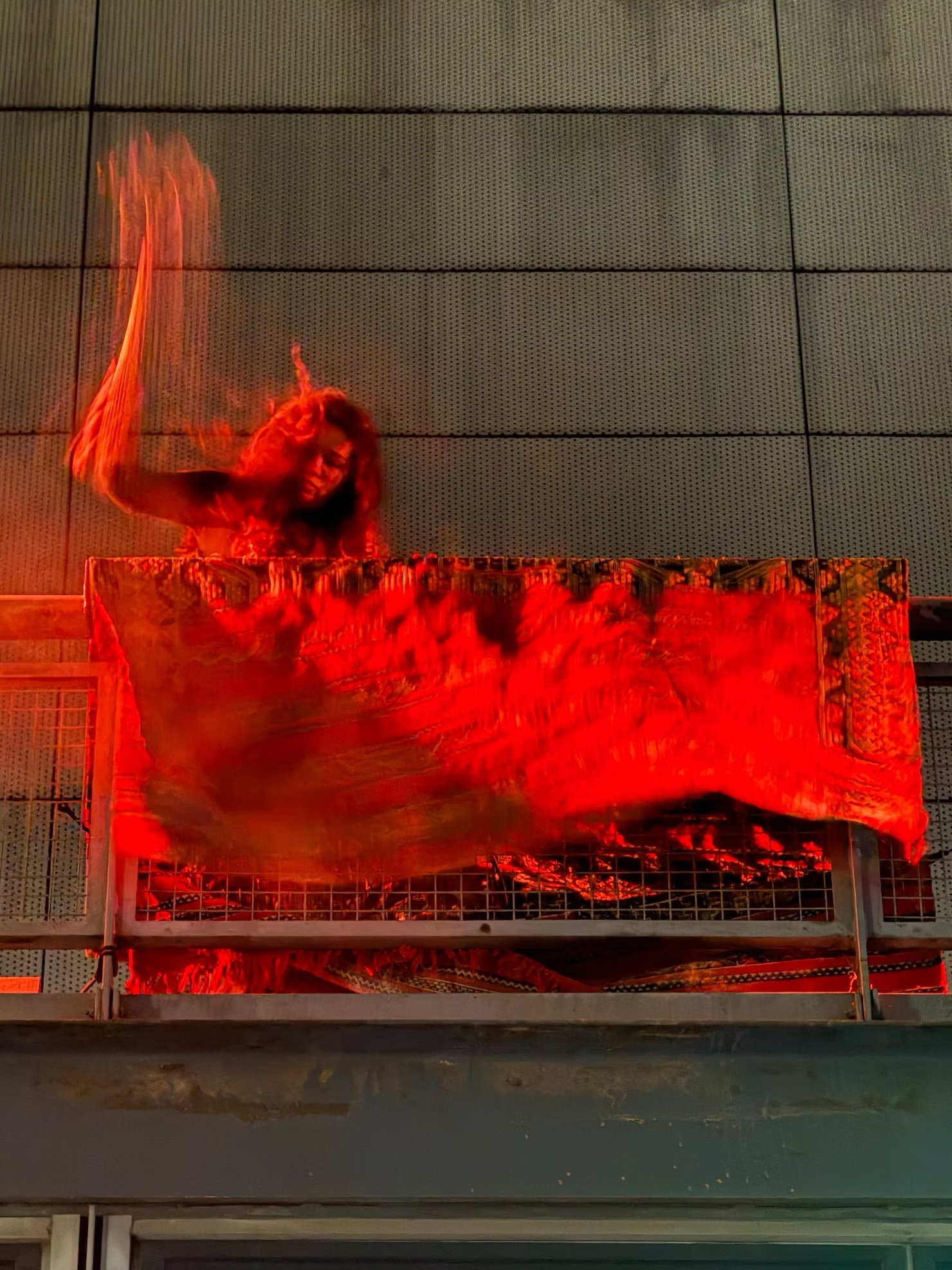
Rug Beating - A Sound From Gaza - creation and performance by Tuqa Al-Sarraj. credits: Micaela Miranda
“It was actually the sound which I would wake up to most Fridays or most of the summer when I didn’t have school. And it just always made me feel at home. So I was recreating it, and I had a statement: colonisers are like dust. They can be erased or cleaned.”
Through her work, Al-Sarraj hopes that her projects continue to shed light on the ongoing injustices surrounding Palestine and other marginalized groups around the world. “I really care a lot about anti-racism and anti fascism and rejecting discrimination against other people; it comes up in my art, and I like to show it,” she ends.
About Contributors
Asma Barakat is a freelance writer and educator currently based in the West Bank. Her main focus is on Palestinian politics and society. She is also an avid tatreez practitioner.
Tuqa Al Sarraj is a Dublin-based multidisciplinary artist. She studied Fine Art media at the National College of Art and Design (2021). Al Sarraj has also studied contemporary art at the International Academy of Art Palestine (IAAP), Ramallah (2017).